



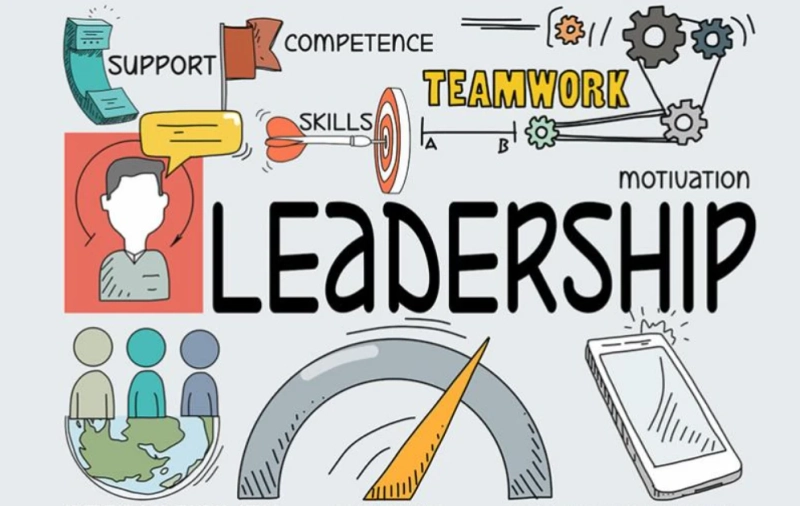
In today’s dynamic business landscape, the ability of managers to effectively nurture and develop their teams is the ultimate competitive advantage. This goes beyond simply delegating tasks; it requires a deep commitment to building capability, fostering growth, and ensuring leadership readiness in management. When managers are truly prepared for this role, they transform from simple taskmasters into true developers of talent.
Understanding the Importance of Leadership Readiness in Management
Many companies focus intensely on hiring but fall short on preparing managers for the crucial role of people development. This oversight results in high employee turnover, stalled innovation, and a weak succession pipeline.
Leadership readiness is not just about a manager's technical skills; it's about their mindset and ability to engage in coaching, mentorship, and strategic delegation. It’s the foundational capability that ensures a manager can not only meet current goals but also systematically grow their direct reports into future leaders. Without this readiness, development efforts remain sporadic and ineffective, often depending more on the individual employee’s initiative than the manager’s active support.
“The best managers aren't just good at their job; they're masters at making their team members indispensable to the organization's future.”
The Three Pillars of the Managerial Readiness Playbook
Developing people systematically requires managers to master three interconnected pillars:
1. Mindset Shift: From Boss to Coach
The first step in the managerial readiness playbook is a fundamental shift in perspective. A ready manager sees their primary function as enabling growth, not just enforcing compliance. This involves:
· Active Listening: Truly understanding an employee’s career aspirations and current challenges.
· Delegating for Development: Giving stretch assignments that push comfort zones and build new skills, rather than just offloading easy work.
· Providing Growth-Focused Feedback: Moving beyond performance reviews to consistent, timely, and constructive feedback centered on future potential.
Key Takeaway: A ready manager understands that their success is measured by the success and growth of their team members.
2. Skill Mastery: The Art of the Development Conversation
A high level of leadership readiness in management is demonstrated through skillful execution of development conversations. This isn't a once-a-year event; it's an ongoing dialogue.
Managers must be trained on how to conduct a proper leadership readiness assessment for their team members. This assessment is not a pass/fail test; it’s a diagnostic tool that identifies gaps in skills, knowledge, and experience, creating a clear roadmap for targeted development plans. Training should cover:
· Goal Setting: Collaboratively setting SMART goals that align with organizational needs and individual ambition.
· Resource Mapping: Identifying internal (mentors, cross-functional projects) and external (courses, conferences) resources.
3. Accountability Framework: Ensuring Consistent Action
Without accountability, development plans are just good intentions. The final pillar ensures that people development is integrated into the manager’s core responsibilities and performance metrics.
· Integration: Development metrics (e.g., number of high-potential employees promoted, completion rate of development goals) must factor into the manager’s own annual review.
· Regular Check-ins: Implementing a structure for quarterly or monthly dedicated development meetings that are non-negotiable.
Key Takeaway: Systematic development only happens when managerial readiness is tracked, measured, and rewarded by the organization. Investing in leadership readiness is the best investment a company can make in its own future.
FAQ Section
Q1: What is a Leadership Readiness Assessment and why is it important?
A Leadership Readiness Assessment is a structured evaluation that measures an individual's current competencies, experience, and potential against the requirements of a future leadership role. Its importance lies in providing objective data to guide targeted development, ensuring that development resources are focused on the most critical gaps, and identifying a clear succession pipeline.
Q2: How often should managers conduct development conversations with their team?
Development conversations should be an ongoing, continuous process, not a rigid annual event. Ideally, managers should have brief, informal check-ins weekly focused on progress and challenges, and a dedicated, more formal discussion at least quarterly to review development goals, progress on stretch assignments, and career trajectory.
Q3: What’s the single most effective way to improve leadership readiness in management?
The single most effective way is to train managers on high-quality coaching skills and hold them accountable for their team's growth. This includes mandatory training on active listening, giving behavioral feedback, and strategic delegation, followed by integrating development outcomes into their own performance reviews.