



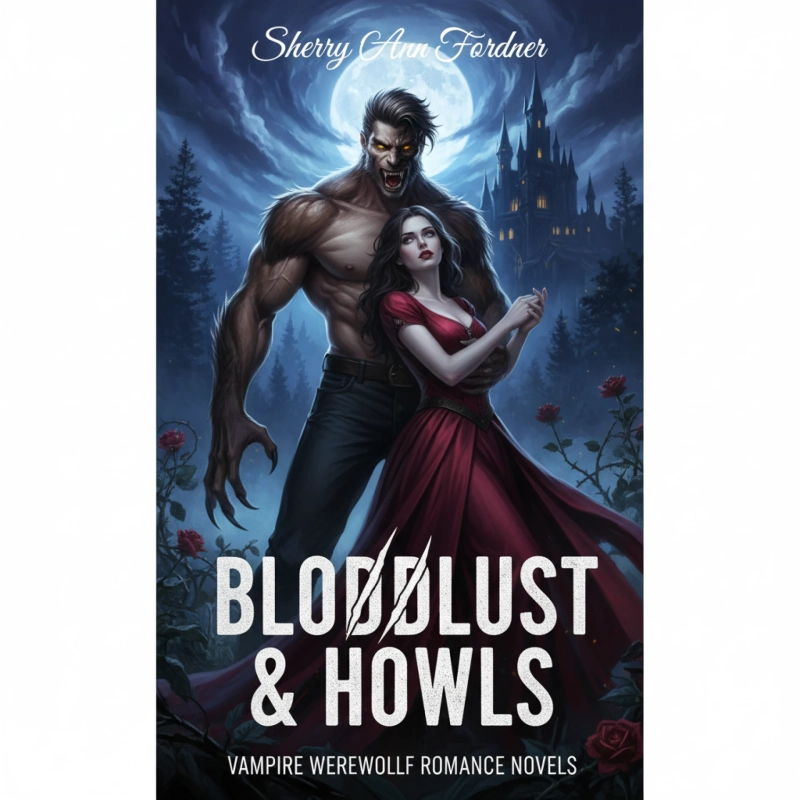
Vampire werewolf romance novels represent one of the most compelling subgenres within paranormal fiction, blending supernatural mythology with intense romantic storytelling. These narratives tap into primal fascinations with creatures of the night while exploring deeply human experiences of attraction, loyalty, and transformation. Readers throughout the USA continue discovering the unique magic that vampire werewolf romance novels offer.
The chemistry between vampires and werewolves in romance novels creates unparalleled tension as characters navigate attraction despite biological imperatives suggesting they should be adversaries. This fundamental incompatibility makes every moment of connection precious and hard-won. The struggle between instinct and emotion gives vampire werewolf romance novels their distinctive emotional resonance.
Sherry Ann Fortner understands that successful vampire werewolf romance novels require more than supernatural settings and steamy encounters. Her approach combines meticulous world-building with character-driven storytelling that examines what happens when beings designed to hate each other discover they cannot resist falling in love. This dedication to craft distinguishes exceptional vampire werewolf romance novels from formulaic offerings.
What Draws Millions to Vampire Werewolf Romance Novels?
The contrast between vampire and werewolf natures provides infinite storytelling possibilities within romance novels featuring these supernatural beings. Vampires embody stillness, strategy, and seductive darkness while werewolves represent movement, passion, and lunar wildness. When vampire werewolf romance novels bring these opposing forces together, the resulting collision creates narrative electricity.
Readers connect with vampire werewolf romance novels because they metaphorically explore real relationship challenges through fantastical lenses. The struggle to bridge different backgrounds, overcome family disapproval, and merge incompatible lifestyles resonates universally. Supernatural elements in vampire werewolf romance novels amplify rather than obscure these authentic human experiences.
The immortality aspect within vampire werewolf romance novels adds weight to romantic commitments as characters choose partners for eternity rather than decades. This high-stakes decision-making intensifies emotional investment. When vampire werewolf romance novels handle immortality thoughtfully, they explore profound questions about love's endurance.
Pack dynamics and coven politics featured in vampire werewolf romance novels provide rich secondary conflicts and compelling supporting characters. Family loyalty, leadership struggles, and territorial disputes create obstacles that test romantic relationships. These layered conflicts prevent vampire werewolf romance novels from focusing exclusively on central couples.
Why Are Vampire Werewolf Romance Novels Experiencing Renaissance?
Contemporary audiences increasingly appreciate vampire werewolf romance novels that challenge traditional gender roles and feature empowered female protagonists. Modern heroines in these stories possess agency, strength, and complexity that earlier paranormal romance sometimes lacked. Evolved characterisation makes current vampire werewolf romance novels more satisfying for diverse readers.
The rise of diverse authorship brings fresh cultural perspectives to vampire werewolf romance novels, incorporating mythology beyond European traditions. African, Asian, Indigenous, and Latin American folklore enriches vampire and werewolf lore. This multicultural expansion revitalizes vampire werewolf romance novels with innovative storytelling approaches.
Digital publishing democratizes access for readers seeking vampire werewolf romance novels while enabling independent authors to reach audiences directly. The removal of traditional gatekeepers allows experimental narratives and niche sub genres to flourish. This accessibility explosion means more vampire werewolf romance novels exist than ever before.
Media adaptations of successful vampire werewolf romance novels generate renewed interest in the literary genre. Television series and films introduce supernatural romance to audiences who subsequently seek source material and similar stories. Cross-media pollination continuously expands readership for vampire werewolf romance novels.
What Narrative Structures Work Best in Vampire Werewolf Romance Novels?
Slow-Burn Tension Building
The most satisfying vampire werewolf romance novels delay romantic consummation while building anticipation through meaningful interactions and growing respect. Gradual development allows characters to overcome prejudices and discover depths beneath surface assumptions. Patient pacing distinguishes memorable vampire werewolf romance novels from rushed installments.
Multi-POV Storytelling
Vampire werewolf romance novels employing alternating perspectives allow readers to understand both supernatural viewpoints and experience how each character perceives their impossible attraction. This narrative technique builds empathy and reveals internal conflicts. Dual or multiple POVs enrich vampire werewolf romance novels substantially.
Mystery and Suspense Integration
Superior vampire werewolf romance novels weave romantic development through compelling external plots involving supernatural threats, political intrigue, or mysterious disappearances. Balancing romance with adventure maintains narrative momentum. Plot-driven vampire werewolf romance novels appeal to readers seeking more than pure relationship focus.
Chosen Family Themes
Many vampire werewolf romance novels explore how romantic relationships create new family structures when characters are rejected by birth communities for crossing species boundaries. Found family narratives resonate powerfully. These themes give vampire werewolf romance novels emotional depth beyond romantic relationships.
How Do Vampire Werewolf Romance Novels Handle Supernatural Physiology?
Blood consumption requirements in vampire werewolf romance novels create natural complications when vampires feel attracted to werewolves whose blood might prove irresistible or dangerous. Authors explore creative solutions including alternative feeding sources or supernatural restraint. These physiological challenges add realism to vampire werewolf romance novels.
Transformation cycles affecting werewolf characters provide built-in plot devices for vampire werewolf romance novels as lunar phases dictate availability, emotional states, and physical capabilities. The vulnerability during shifts when werewolves need protection creates opportunities for vampire partners to demonstrate devotion. Transformation mechanics distinguish vampire werewolf romance novels from other paranormal subgenres.
Enhanced senses possessed by both species in vampire werewolf romance novels intensify romantic encounters as characters experience attraction through heightened perception. Vampiric ability to hear heartbeats and werewolf capacity to scent emotions add sensory dimensions. These supernatural abilities make vampire werewolf romance novels uniquely vivid.
Healing factors and immortality differences between vampires and werewolves create tension in romance novels when considering long-term futures. Some traditions portray werewolves as long-lived but mortal while vampires exist eternally. Vampire werewolf romance novels thoughtfully addressing these disparities achieve greater emotional impact.
What Makes Sherry Ann Fortner's Approach Distinctive?
Emotional Authenticity
Sherry Ann Fortner prioritizes genuine emotional experiences within vampire werewolf romance novels, ensuring supernatural elements enhance rather than replace human feeling. Her characters demonstrate realistic relationship development including miscommunication, vulnerability, and gradual trust building. This authenticity makes her vampire werewolf romance novels emotionally resonant.
Complex Moral Landscapes
Her vampire werewolf romance novels avoid simplistic good-versus-evil dynamics by presenting morally complex characters whose choices reflect realistic human psychology. Vampires and werewolves possess admirable qualities and significant flaws. Nuanced characterization elevates Sherry Ann Fortner's vampire werewolf romance novels.
Integrated World-Building
Rather than pausing narratives for information dumps, Sherry Ann Fortner weaves supernatural world details organically throughout her vampire werewolf romance novels. Readers discover mythology, politics, and history through character interactions and plot progression. This seamless integration maintains engagement.
Empowered Character Agency
Characters in Sherry Ann Fortner's vampire werewolf romance novels make active choices driving plot progression rather than passively reacting to circumstances. Both romantic leads demonstrate agency, intelligence, and capability. Reader appreciation for empowered characters makes her vampire werewolf romance novels particularly popular.
What Relationship Dynamics Fascinate Readers?
Alpha dynamics appear frequently in vampire werewolf romance novels as both species typically organize hierarchically with dominant leaders. When alpha vampire meets alpha werewolf, the power negotiation becomes central to romantic tension. These equality-based power struggles distinguish vampire werewolf romance novels from hierarchical romance tropes.
Mate bonds featured in many vampire werewolf romance novels introduce supernatural recognition between destined partners despite species differences. The concept that biology transcends cultural divisions appeals to readers seeking romance that feels fated. Mate bond vampire werewolf romance novels explore destiny versus choice philosophically.
Protective instincts inherent to both vampires and werewolves create interesting conflicts in romance novels when characters struggle between keeping lovers safe and respecting their independence. Balancing protection and autonomy becomes crucial character development. This tension makes vampire werewolf romance novels relatable despite supernatural settings.
Trust development provides essential narrative arc in vampire werewolf romance novels as characters overcome centuries of species antagonism to believe in individual exceptions. The journey from suspicion to faith mirrors real relationship challenges. Trust themes give vampire werewolf romance novels universal appeal.
How Do Settings Enhance Vampire Werewolf Romance Novels?
Urban environments in contemporary vampire werewolf romance novels provide atmospheric backdrops where supernatural societies hide within human populations. Nightclubs, abandoned warehouses, and rooftop encounters create mood and tension. City settings ground vampire werewolf romance novels in recognizable reality.
Wilderness locations suit werewolf characters in romance novels by emphasizing their connection to nature and providing transformation privacy. Forest territories, mountain ranges, and remote compounds contrast with vampire preferences for civilization. Geographic tension between urban and wild spaces enriches vampire werewolf romance novels.
Historical settings transport vampire werewolf romance novels to eras when supernatural beings moved more openly or faced different societal structures. Period details add richness while exploring how vampire-werewolf conflicts evolved. Historical vampire werewolf romance novels appeal to readers enjoying dual genre pleasures.
Supernatural territories including vampire estates and werewolf pack lands create neutral ground challenges in romance novels when lovers must navigate each other's domains. Territorial politics add complexity beyond individual relationships. These setting-based conflicts drive vampire werewolf romance novels effectively.
What Reader Communities Support Vampire Werewolf Romance Novels?
Online book clubs dedicated specifically to vampire werewolf romance novels provide spaces where enthusiasts discuss favorite tropes, debate team vampire versus team werewolf, and share recommendations. These communities enhance reading experiences through shared passion. Social connection amplifies enjoyment of vampire werewolf romance novels.
Fan fiction communities extend vampire werewolf romance novels beyond published works as readers create alternative storylines, explore secondary characters, and imagine different outcomes. This creative engagement demonstrates deep investment in supernatural romance. Fan creativity testifies to vampire werewolf romance novels' cultural impact.
Author engagement through social media allows vampire werewolf romance novel fans direct interaction with creators including Sherry Ann Fortner. Behind-the-scenes insights, character discussions, and sneak peeks build anticipation. Direct author-reader relationships strengthen vampire werewolf romance novel communities.
Convention attendance brings vampire werewolf romance novel enthusiasts together physically for panels, signings, and cosplay celebrating beloved stories. These gatherings validate interests sometimes dismissed by mainstream culture. Community events demonstrate the significance vampire werewolf romance novels hold for readers.
Where Is the Genre Heading?
LGBTQ+ representation expands within vampire werewolf romance novels as authors create same-sex couples, non-binary characters, and polyamorous relationships. Inclusive storytelling welcomes broader audiences. Diverse vampire werewolf romance novels reflect contemporary values and relationship varieties.
Mental health themes increasingly appear in vampire werewolf romance novels as authors address trauma, anxiety, and healing within supernatural contexts. Characters managing psychological challenges while falling in love create authentic narratives. Mental health awareness improves vampire werewolf romance novels' emotional realism.
Cross-genre experimentation produces vampire werewolf romance novels incorporating science fiction, mystery, thriller, and even horror elements. Hybrid narratives attract readers with varied preferences. Innovation ensures vampire werewolf romance novels remain fresh and unpredictable.
Independent publishing continues transforming vampire werewolf romance novels by enabling niche subgenres, experimental formats, and direct reader-author relationships. Author independence fosters creativity and responsiveness. The future of vampire werewolf romance novels includes increased diversity in voices and visions.
Frequently Asked Questions
How do vampire werewolf romance novels differ from single-species paranormal romance? Vampire werewolf romance novels feature inherent conflict through species rivalry creating higher stakes and greater obstacles than romance between compatible supernatural beings.
What heat levels exist in vampire werewolf romance novels? Vampire werewolf romance novels range from sweet closed-door romance to explicit content, with most authors clearly indicating heat levels through descriptions and content warnings.
Can vampire werewolf romance novels be read as standalones? Many vampire werewolf romance novels function as standalones despite occurring in series, though reading order often enhances understanding of world-building and secondary characters.
How does Sherry Ann Fortner balance romance and plot? Sherry Ann Fortner integrates romance development with compelling external conflicts ensuring vampire werewolf romance novels satisfy both relationship-focused and plot-driven readers.
Conclusion
Vampire werewolf romance novels continue captivating readers through their unique combination of supernatural mythology, forbidden attraction, and emotionally satisfying relationship development. These stories explore universal themes through fantastical lenses while delivering escapism and entertainment. The genre's sustained popularity throughout the USA confirms vampire werewolf romance novels' cultural significance.
Sherry Ann Fortner contributes meaningfully to vampire werewolf romance novels through psychologically complex characters, thoughtful world-building, and authentic emotional storytelling. Her dedication to craft and character depth creates reading experiences that linger beyond final pages. Readers seeking vampire werewolf romance novels with substance alongside passion discover rewarding narratives.
Whether drawn to enemies-to-lovers dynamics, supernatural world-building, or simply compelling love stories, vampire werewolf romance novels offer something for every paranormal romance enthusiast. The genre continues evolving while maintaining core elements that made it beloved. Explore vampire werewolf romance novels today and discover why these supernatural love stories capture hearts worldwide.
About Sherry Ann Fortner
Sherry Ann Fortner writes captivating vampire werewolf romance novels combining supernatural intrigue with deeply emotional love stories. Her paranormal romances feature unforgettable characters and passionate relationships.
Website: https://sherryfortner.com/