



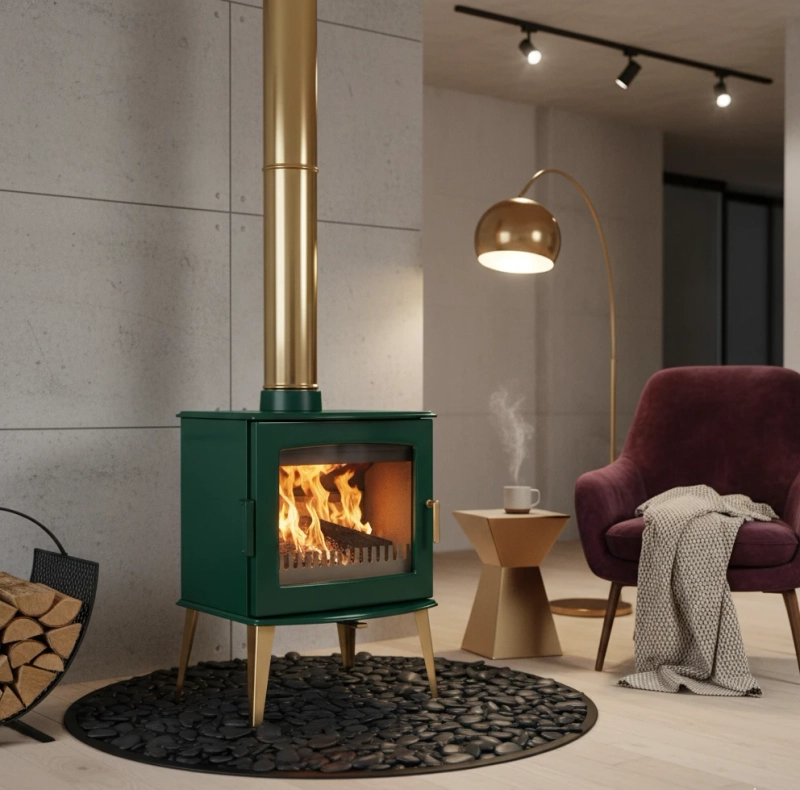
For thousands of years, the fireplace was the center of the home. It was the only source of heat. Families would gather around it because the rest of the house was freezing. The fire offered high heat in one small area, but it wasted a lot of energy. Most of the warmth went straight up the chimney. The bedrooms and bathrooms remained cold. Over the last century, we moved away from this. We installed gas boilers and electric pumps. We hid the fire away in a metal box in the basement or the garage. We gained convenience, but we lost the connection to the flame.
Today, engineering has found a middle ground. We can now capture the intense heat of a wood or coal fire and transport it around the house. We do not have to choose between a cozy living room and a warm bedroom. We can have both. This is done through a "wet" system. It involves placing a water tank inside the firebox. This turns the stove into a boiler. It connects the primal comfort of a burning log with the efficiency of modern plumbing. It allows a single pile of wood to heat water, warm the air, and drive a central heating network all at once.
The Mechanics of the Water Jacket
The secret to this system lies inside the steel body of the unit. A standard wood burner is just a metal box lined with firebricks. It radiates heat into the room. A "boiler stove" is different. Instead of simple firebricks, the fire is surrounded by a double-walled steel chamber. This chamber is filled with water. It is called a water jacket. As the fire burns, it heats the metal, which in turn heats the water.
This hot water needs to move. It cannot just sit in the jacket, or it would boil and create dangerous pressure. The pipework connects this jacket to the rest of the house. This allows the hot water to flow out to the stove radiators positioned in bedrooms and hallways. This transfer of energy turns the stove into an engine. It effectively splits the heat output. Some of the heat radiates through the glass window to warm the living room. The rest of the heat is absorbed by the water and carried away to warm the rest of the building.
Understanding the Heat Split
When you look at the technical data for these systems, you will see two numbers. This is called the "split." A standard stove might just say "8 Kilowatts" (kW). A boiler model will say "12kW Total: 4kW to room, 8kW to water." This is the most important calculation you need to make. You have to balance the needs of the room with the needs of the radiators.
If you buy a unit that gives too much heat to the room, you will be sweating on the sofa before the water is hot enough to heat the radiators upstairs. If you buy a unit that puts too much heat into the water, the living room will feel cold, even though the fire is roaring. The balance depends on the size of your house. A large, drafty farmhouse needs a high output to water. A modern, well-insulated home might need a smaller split. Getting this math right is the first step to a comfortable system.
The Science of Gravity Circulation
In a standard gas central heating system, an electric pump moves the water. It pushes the water through the pipes at high speed. Solid fuel systems are different. They often rely on, or incorporate, the laws of physics. Specifically, they use gravity. Hot water is less dense than cold water. It is lighter. Because it is lighter, it naturally wants to rise.
Engineers use this to create a "gravity circuit." This is a loop of large pipes that connects the stove to the hot water tank. The pipes rise up from the stove. As the water in the jacket gets hot, it naturally floats up the pipe to the tank. At the same time, cool water from the bottom of the tank falls down to the stove to be heated. This creates a silent, continuous flow without using any electricity. This is a vital safety feature. If there is a power cut during a winter storm, the pump will stop working. But the gravity circuit will keep moving the water. This prevents the stove from overheating and boiling, even when the electricity is out.
The Necessity of a Heat Sink
A gas boiler is easy to control. If the water gets too hot, the computer turns the gas flame off. The fire stops instantly. A wood fire is different. You cannot turn a log off. If the radiators are full of hot water and the house is warm, the fire is still producing heat. That energy has to go somewhere. If it has nowhere to go, the water will boil. This creates steam and high pressure, which can be dangerous.
To manage this, the system needs a "heat sink" or a "heat leak." This is usually a large radiator, often in the bathroom, that cannot be turned off. It does not have a control valve. It is always open. If the main pump turns off or the other radiators close, the gravity circuit dumps the excess heat into this radiator. It acts as a safety valve. It ensures that there is always a place for the energy to escape. It keeps the system stable regardless of how hard the fire is burning.
The Buffer Tank Strategy
Modern systems often use a device called a "thermal store" or buffer tank. This is a large cylinder, often holding 500 liters of water or more. Instead of sending hot water directly to the radiators, the stove heats this massive tank of water. The radiators then take their heat from the tank, not the stove.
This solves the problem of timing. You might want to have a fire in the evening for the atmosphere. But you might not need heat in the bedrooms until the next morning. The buffer tank stores the energy. You burn the logs at night, charging the "battery" of water. The next morning, when the fire is out, the central heating pump draws that stored hot heat from the tank to warm the house. This makes the system much more flexible. It separates the time of burning from the time of heating. It allows you to use the stove efficiently without wasting fuel.
Fuel Density and Efficiency
The performance of the system depends heavily on what you burn. Not all wood is the same. The critical factor is moisture content. Freshly cut wood is full of water. It might be 50% water by weight. If you try to burn this, the fire has to use its energy to boil the water in the wood before it can heat the house. This is a waste of energy. It also creates tar and soot.
For a boiler system to work, the wood must be dry. It should have a moisture content of less than 20%. This usually requires seasoning the wood (letting it dry) for one or two years. Hardwoods like oak or ash are dense. They contain more energy per log than softwoods like pine. Coal is even more dense. It burns hotter and for longer. However, coal is a fossil fuel and produces more carbon. Most modern users prefer wood for its environmental balance. Using the right fuel ensures the water gets hot quickly and stays hot.
The Challenge of Return Temperatures
There is a specific engineering challenge with these systems called "cold return." This happens when the water comes back from the radiators. If the water returning to the stove is too cold (below 45 degrees Celsius), it can cause problems. When this cold water hits the hot steel of the firebox, it causes condensation.
This moisture mixes with the smoke and creates a sticky tar called creosote. This tar sticks to the inside of the stove and the boiler plates. It acts as an insulator, stopping the heat from getting to the water. It can also block the chimney and cause chimney fires. To prevent this, plumbers install a "load unit." This is a smart valve. It recycles the hot water around the stove until the system is up to temperature. It only lets cold water in once the stove is hot enough to handle it. This keeps the firebox dry and clean. It ensures the system runs efficiently for years.
Integration with Solar and Gas
A solid fuel system does not have to work alone. In fact, it works best as part of a team. This is called a "link-up" system. You can connect the stove, a gas boiler, and even solar thermal panels to the same thermal store.
In the summer, the solar panels on the roof heat the water for your showers. The stove stays off. In the autumn and spring, the gas boiler tops up the heat when needed. In the deep winter, the stove does the heavy lifting. The system automatically chooses the best heat source. If the stove is burning, the gas boiler turns off. If the fire dies down, the gas boiler kicks in to keep the house warm. This is the ultimate in energy security. It means you are never dependent on just one fuel source. If gas prices spike, you can burn wood. If you run out of wood, you can use gas.
Sizing the Radiators Correctly
The water coming from a wood burner is often not as consistently hot as water from a gas boiler. A gas boiler produces a steady stream of 70-degree Celsius water. A wood burner fluctuates. The water might be 60 degrees one hour and 80 degrees the next.
Because the average temperature might be lower, you often need larger radiators. Surface area is key. A larger surface area allows the radiator to put out enough heat even if the water is only warm, not scalding. When designing the system, engineers will "oversize" the emitters. They might install a radiator that is 20% larger than normal. This ensures the room reaches the target temperature even if the fire is burning low. It provides a gentle, steady warmth rather than a blast of hot air.
The Importance of Air Supply
Fire needs oxygen. A large boiler stove consumes a huge amount of air. If your house is modern and airtight, the fire will struggle to breathe. It will smoke and burn poorly. It might even pull dangerous fumes back into the room.
To fix this, you need a dedicated air supply. This is a vent that goes through the wall directly to the outside. It feeds fresh air straight into the stove. Many modern units have a "direct air" connection. This is a pipe that connects the back of the stove to the outside wall. This means the stove takes its air from outside, not from your living room. This prevents drafts. It keeps the warm air inside the room and stops the fire from competing with you for oxygen. It is a crucial detail for safety and efficiency.
Maintenance and Soot Removal
Owning a boiler stove requires more work than pressing a button. It is a lifestyle choice. The heat exchanger surfaces (the metal plates that touch the water) need to be kept clean. Soot is an insulator. A layer of soot just 2 millimeters thick can reduce the efficiency by 10% or more.
Most units have access panels. You need to scrape the soot off the boiler plates regularly, perhaps once a month in winter. You also need to empty the ash pan. The chimney needs to be swept twice a year. This is the price of independence. You are the operator of your own power station. For many people, this interaction is satisfying. It connects them to the process of heating their home. But it is important to be realistic about the effort involved before installing one.
Environmental Considerations
Burning wood releases carbon dioxide (CO2). However, trees absorb CO2 when they grow. If the wood is sourced from sustainable forests, the process is considered "carbon neutral." You are releasing the carbon that the tree absorbed. This is different from burning gas or oil, which releases new carbon from deep underground.
However, smoke quality matters. Old stoves produced a lot of particulate pollution (smoke). New standards, often called "Ecodesign," have changed this. These new units are incredibly clean. They burn the smoke inside the firebox before it leaves the chimney. They produce 90% less emission than an open fire. Using a modern, Ecodesign-ready unit is vital for air quality. It allows you to burn wood responsibly, even in urban areas.
The Economics of Solid Fuel
Does it save money? The answer depends on where you get your wood. If you buy kiln-dried logs from a gas station, it is expensive. It might cost more than gas. If you have access to free or cheap wood, the savings can be massive.
For people in rural areas with land, a boiler stove effectively provides free heating. The only cost is the labor of cutting and stacking the wood. Even if you buy wood in bulk, it is often cheaper per kilowatt-hour than electricity or oil. It also insulates you from market fluctuations. When global gas prices go up, the price of a local tree usually stays the same. It offers economic stability in an uncertain world.
Conclusion
The concept of using a fire to heat water is a return to common sense. It takes the oldest form of heating and upgrades it with modern engineering. It allows us to enjoy the beauty and atmosphere of a real flame without the guilt of wasted energy.
By connecting the hearth to the plumbing, we turn the fireplace into the heart of the home's infrastructure. It is a system that demands respect. It requires dry fuel, regular cleaning, and careful operation. In return, it offers a type of warmth that is unique. It is the feeling of self-reliance. It is the knowledge that the warmth in your bedroom and the hot water in your tap came from the logs you loaded with your own hands. It is a bridge between the primitive and the practical, providing deep, resonant comfort for the whole home.