
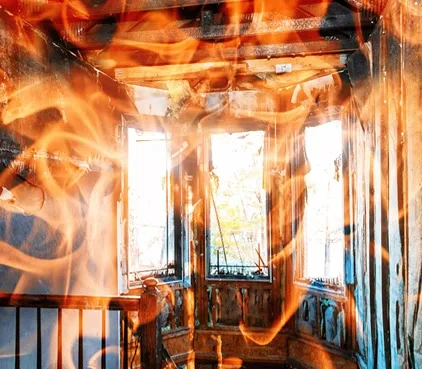
Fire safety is one of the most essential aspects of any residential, commercial, or industrial building. While many people focus on alarms, extinguishers, and active fire systems, there is another equally important component—fire passive protection. This method plays a crucial role in controlling the spread of fire, safeguarding lives, and protecting property by strengthening the structure itself. For modern buildings, passive protection is not just recommended; it is a fundamental requirement for long-term safety and compliance.
What Is Fire Passive Protection?
Fire passive protection refers to the built-in features of a building that are designed to limit the spread of fire and smoke. Unlike active systems such as sprinklers or fire alarms, passive protection works without activation. It remains in place and performs its function automatically during a fire. These protective features are integrated into walls, floors, doors, ceilings, and structural components to help compartmentalise a fire, giving occupants more time to escape and firefighters more time to respond.
Key elements of fire passive protection include fire-resistant walls, fire doors, fire-stopping materials, cavity barriers, intumescent coatings, and fire-rated partitions. Together, they create a solid defence system that reduces damage and helps maintain the building’s structural integrity during intense heat.
Why Buildings Need Fire Passive Protection
The primary goal of passive protection is to prevent fire from spreading rapidly through the building. In the event of a fire, smoke and flame can travel quickly through small openings, gaps, or unprotected spaces. Passive protection seals these vulnerable areas and restricts the movement of toxic gases, giving people essential time to evacuate safely.
Additionally, fire passive protection helps minimise long-term damage. By slowing down the impact of fire, it protects essential structural elements such as steel beams, load-bearing walls, and electrical routes. This support is crucial in preventing collapse and maintaining escape pathways for emergency responders.
For businesses, especially those with large or complex buildings, passive protection helps maintain compliance with fire safety regulations. Proper installation and regular maintenance ensure that the building meets legal requirements and reduces potential liabilities.
Components of Effective Fire Passive Protection
A complete passive protection system includes a combination of materials and techniques designed to work together. Fire-stopping systems are used to seal openings and service penetrations to prevent fire from travelling between compartments. Cavity barriers help block flames and smoke from spreading through hidden areas like roofs or walls. Fire doors ensure that exits remain safe and protected for as long as possible.
Intumescent coatings are another essential component. These coatings expand when exposed to high temperatures, providing a protective layer that insulates structural elements and delays heat transfer. When combined, these solutions create a robust system that increases overall fire resistance.
Building Safety Starts with Passive Protection
Investing in fire passive protection is one of the most effective ways to enhance building safety. It offers long-term protection, reduces risk, and helps save lives in emergencies. Whether it’s a new construction or an older building undergoing renovation, implementing passive protection measures ensures that the structure remains safe, compliant, and prepared for unexpected situations.