



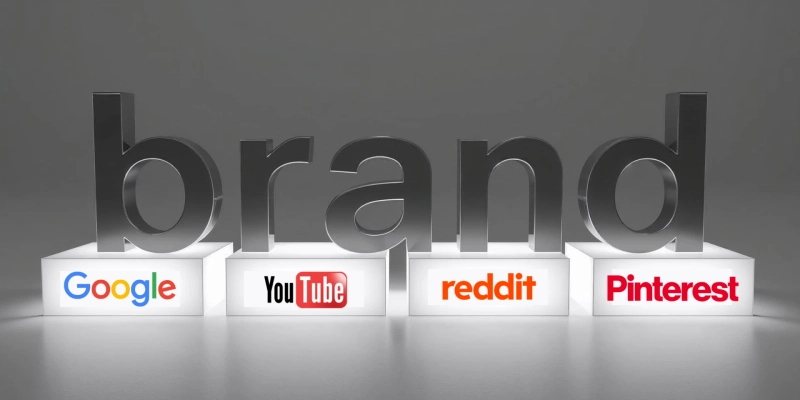
We’ve been trained to think of search as something that happens after curiosity — someone types a question, hits enter, and finds you on Google. But what if your audience never gets that far?
Today, discovery starts before the search. People are finding what they need through videos, recommendations, AI tools, and communities — long before they even think to “Google it.”
That invisible moment — when curiosity sparks and algorithms respond — is the new battleground for visibility.
As Digital Pocket News explains in “Total Search Strategy: Beyond Google”, the smartest marketers are no longer optimizing for clicks after the search, but for impressions before it.
🔮 The Era of Pre-Search Discovery
Think about how you personally discover new things now.
You watch a YouTube review before typing the product’s name.
You ask ChatGPT for advice before reading a blog.
Each of these moments is a pre-search discovery point — a place where the search journey begins, often without Google ever being opened.
This is the hidden side of search: attention is being captured earlier, and by platforms that feel more personal, visual, or conversational.
🎯 How Brands Can Win the “Before” Moment
Winning visibility before the search means being part of the content ecosystems that shape intent.
- On social platforms: Optimize short-form videos, stories, and carousels with search-friendly captions and hashtags.
- On community forums: Join conversations where questions are being asked, not just where answers are indexed.
- In AI results: Structure your content clearly, use credible sources, and make your data easy for AI tools to reference.
When your brand appears early — before curiosity turns into a query — you influence what people will search for later. That’s the essence of a Total Search Strategy.
You can see how these layers connect in Digital Pocket News’s in-depth breakdown of building a complete cross-platform presence.
🚀 Visibility Is No Longer Linear
The modern discovery path looks less like a funnel and more like a web — people bounce between apps, voices, and screens.
Google is still powerful, but it’s no longer the first step.
It’s the confirmation step.
The real question is: Who owns the moments before that?
Because in 2025 and beyond, the brands that win will be the ones already present when curiosity begins — not the ones waiting for a click.