When people hear the term forensic structural engineer, they often think of lawsuits, courtrooms, and insurance disputes. While these areas are certainly part of the profession, there’s much more to forensic structural engineering than legal proceedings. This blog uncovers the lesser-known but highly valuable contributions these engineers make in everyday construction, renovation, and safety planning.
Beyond the Courtroom: What Does a Forensic Structural Engineer Really Do?
At a glance, a forensic structural engineer investigates why buildings or structural elements fail. However, the scope is much broader. These engineers:
- Analyze building failures to prevent future incidents.
- Identify flaws in construction before they lead to serious issues.
- Evaluate structures after natural disasters, even when damage isn’t obvious.
- Provide guidance during major renovations, especially in older buildings.
In many cases, their insights are used not to place blame, but to create safer buildings and smarter repair plans.
Disaster Response: First on the Scene, Quietly Behind the Headlines
Following hurricanes, floods, earthquakes, or fires, it’s often the forensic structural engineers who quietly walk damaged sites, taking measurements, reviewing building materials, and assessing risk. They’re not always in the news—but their work is critical.
Take a coastal office complex in Texas. After a hurricane, it seemed mostly intact from the outside. But a closer forensic evaluation revealed hidden water damage and compromised concrete reinforcements. Thanks to early intervention, the owners avoided a full shutdown and costly rebuild.
Uncovering the “Invisible” Damage
Not all structural problems come with dramatic cracks or collapses. Some issues—like vibrations, minor shifts in load-bearing walls, or early-stage corrosion—go unnoticed until it’s too late.
That’s where forensic structural engineering plays a proactive role. These professionals use tools like thermal imaging, ultrasound scanning, and 3D modeling to detect what the eye can’t see. They help property owners:
- Identify safety risks early.
- Avoid costly emergency repairs.
- Extend the life of aging buildings.
By doing so, they save time, money, and sometimes even lives.
Modern Renovations with a Forensic Eye
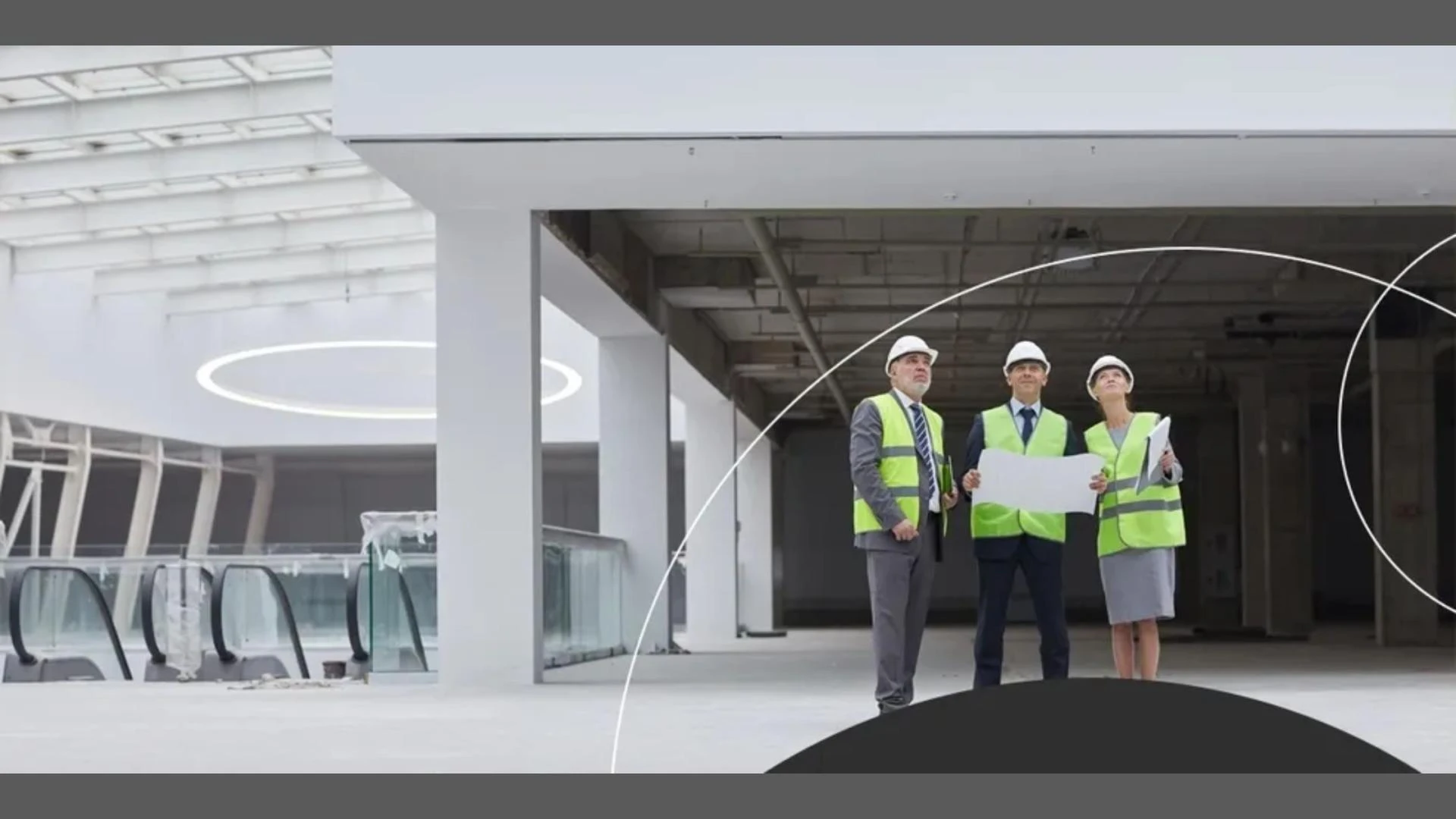
Planning to renovate a century-old building or repurpose a warehouse? You’ll want a forensic structural engineer involved early. Their expertise helps:
- Determine if existing elements can support new loads or layouts.
- Reveal how past renovations have altered structural integrity.
- Spot hidden flaws from older construction methods or materials.
One developer brought in a forensic expert before converting a vintage theater into a boutique hotel. What seemed like a straightforward project turned complex when the engineer discovered undocumented alterations from decades past. With their help, the team created a new plan that was safe, efficient, and historically respectful.
The Value in Everyday Property Ownership
“Is this crack in the ceiling something to worry about?” That’s a common question from building owners and property managers.
While not every issue requires urgent action, a forensic structural engineering assessment offers peace of mind. It bridges the gap between standard inspections and full-scale repairs. If you’re managing large facilities or heritage properties, periodic assessments by a forensic expert can help you:
- Keep your maintenance budgets realistic.
- Comply with building safety codes.
- Avoid disruptions in occupancy or usage.
Final Takeaway: Quiet Experts Who Prevent Loud Problems
The next time you hear the term forensic structural engineer, think beyond courtrooms and claims. These engineers play a vital role in keeping our structures safe, efficient, and well-maintained. From subtle stress fractures to hurricane damage, they are the professionals who see what others miss—and provide answers when they matter most.
Considering a renovation, damage assessment, or routine structural check? Consult a forensic structural engineer early—it might be the smartest call you make.