



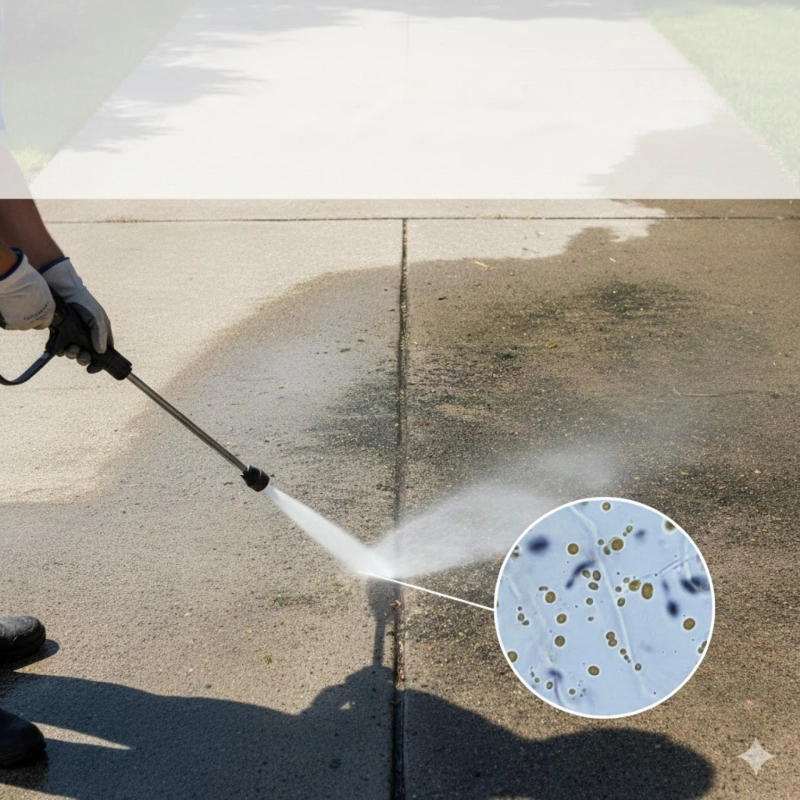
Most homeowners believe they’d notice if their house was dirty. After all, you see it every day, right? But the reality is far more surprising. Dirt doesn’t announce itself loudly. It settles quietly, builds gradually, and hides in plain sight—until the damage is already done.
This is the hidden dirt problem, and it’s one of the most underestimated threats to a home’s appearance, structure, and long-term value. Pressure washing isn’t just about making things look nice. It’s about protecting your home from slow, costly deterioration that many homeowners never see coming.
In this comprehensive guide, we’ll uncover what hidden dirt really is, where it lives, why it’s more dangerous than it looks, and why pressure washing is far more important than most people realize.
What Is “Hidden Dirt,” Really?
Hidden dirt isn’t just soil or mud you can see with the naked eye. It’s a combination of contaminants that bond to exterior surfaces and slowly cause damage over time.
The Most Common Types of Hidden Dirt
- Mold and mildew spores
- Algae and moss
- Air pollution residue
- Pollen and organic debris
- Vehicle exhaust particles
- Dust mixed with moisture
These substances don’t just sit on the surface—they embed themselves into siding, concrete, roofing, and wood.
Why Most Homeowners Don’t Notice the Problem
Hidden dirt builds up slowly, and that’s exactly why it’s so dangerous.
Familiarity Breeds Blindness
When you see your home every day:
- Gradual color changes go unnoticed
- Stains appear “normal” over time
- Discoloration blends into the background
Your brain adjusts, and what would look dirty to a first-time visitor feels perfectly normal to you.
Where Hidden Dirt Loves to Hide Around Your Home
Some areas are more vulnerable than others.
High-Risk Exterior Surfaces
- North-facing siding (less sunlight, more moisture)
- Roofs, especially shaded areas
- Driveways and sidewalks
- Decks and patios
- Fences
- Gutters and fascia boards
These spots create the perfect environment for moisture-loving contaminants to thrive.
Mold, Mildew, and Algae: The Silent Destroyers
These aren’t just cosmetic nuisances. They’re active, living organisms.
Why Organic Growth Is So Harmful
- Mold feeds on moisture and organic matter
- Algae traps water against surfaces
- Mildew spreads rapidly in humid conditions
Over time, this leads to rot, cracking, and premature material failure.
The Moisture Trap: How Dirt Accelerates Damage
Hidden dirt doesn’t just sit there—it changes how surfaces behave.
Dirt and Moisture Work Together
When grime builds up:
- Surfaces dry more slowly
- Moisture stays trapped longer
- Freeze-thaw cycles worsen cracking
- Wood absorbs water more easily
This constant moisture exposure shortens the lifespan of almost every exterior material.
Why Rain Alone Doesn’t Clean Your Home
Many homeowners assume rain handles exterior cleaning. Unfortunately, the opposite is often true.
Rain Can Make the Problem Worse
- Rain spreads mold spores
- Moisture feeds algae growth
- Dirt streaks become more pronounced
- Pollutants bond tighter to surfaces
Without proper cleaning, rain becomes part of the problem—not the solution.
The Hidden Cost of Ignoring Exterior Dirt
The real danger of hidden dirt isn’t how it looks—it’s what it leads to.
Long-Term Consequences
- Premature siding replacement
- Costly roof repairs
- Cracked and stained concrete
- Accelerated paint failure
- Structural wood damage
What could have been prevented with routine pressure washing often turns into expensive repairs.
Pressure Washing: More Than Just High-Pressure Water
There’s a misconception that pressure washing is simply blasting water at surfaces. In reality, it’s a controlled, strategic cleaning process.
What Proper Pressure Washing Involves
- Adjusted pressure levels by surface
- Specialized nozzles
- Cleaning agents when needed
- Systematic cleaning patterns
The goal isn’t force—it’s effective removal without damage.
Pressure Washing vs. Soft Washing: Why Both Matter
Not all hidden dirt should be removed the same way.
Pressure Washing
Best for:
- Driveways
- Sidewalks
- Stone
- Brick
Soft Washing
Best for:
- Roofs
- Vinyl siding
- Stucco
- Painted surfaces
Soft washing kills mold and algae at the root, preventing quick regrowth.
How Pressure Washing Stops Damage Before It Starts
One of the most overlooked benefits of pressure washing is prevention.
Early Removal Makes a Difference
By removing contaminants early, pressure washing:
- Reduces moisture retention
- Stops organic growth cycles
- Preserves surface integrity
- Extends material lifespan
It’s far easier—and cheaper—to prevent damage than to fix it.
The Impact on Curb Appeal You Didn’t Realize
Hidden dirt dulls a home’s appearance gradually.
What Pressure Washing Reveals
Homeowners are often shocked by:
- Brighter siding
- Lighter concrete
- Restored original colors
- Sharper architectural details
The transformation can make a home look years younger.
Why Realtors Care So Much About Hidden Dirt
Real estate professionals see the impact every day.
Dirty Exteriors Raise Red Flags
Buyers often assume:
- Poor maintenance
- Hidden structural issues
- Future repair costs
Pressure washing removes these doubts before they form.
Pressure Washing and Property Value: The Direct Connection
While pressure washing isn’t a renovation, it strongly influences perception.
Perception Drives Value
- Clean homes feel better maintained
- Buyers feel more confident
- Appraisers note overall condition
A clean exterior supports stronger offers and faster sales.
The Health Risks Lurking Outside Your Home
Hidden dirt doesn’t stay outside.
Mold and Air Quality
Mold and mildew release spores that can:
- Trigger allergies
- Worsen asthma
- Cause respiratory irritation
Pressure washing reduces the concentration of these contaminants around your home.
Safety Hazards Created by Hidden Dirt
Algae and mildew aren’t just ugly—they’re slippery.
Common Safety Risks
- Slippery driveways
- Dangerous steps
- Slick decks and patios
Pressure washing restores traction and reduces fall risks.
Why DIY Cleaning Often Misses the Real Problem
Many homeowners attempt surface-level cleaning.
The DIY Limitations
- Insufficient pressure control
- Incomplete mold removal
- Uneven results
- Risk of surface damage
Without proper technique, hidden dirt remains—and regrows quickly.
Professional Pressure Washing Targets the Root Cause
Professionals don’t just clean what you see.
What Experts Do Differently
- Identify organic growth types
- Use appropriate cleaning solutions
- Apply correct pressure levels
- Ensure thorough, even coverage
This leads to longer-lasting results.
How Often Should You Address Hidden Dirt?
Frequency depends on environment.
General Guidelines
- Siding: Once per year
- Concrete: 1–2 times per year
- Roofs: Every 1–3 years
- Decks and patios: Annually
Homes in humid or wooded areas may need more frequent cleaning.
Pressure Washing as Preventive Home Care
More homeowners now view pressure washing as routine maintenance.
Why This Mindset Is Growing
- Rising repair costs
- Increased property values
- Awareness of mold damage
- Desire to avoid major renovations
Pressure washing fits perfectly into a proactive maintenance plan.
Environmental Advances in Pressure Washing
Modern pressure washing is safer than ever.
Eco-Conscious Cleaning Methods
- Biodegradable detergents
- Reduced water usage
- Targeted application
- Soft washing alternatives
Effective cleaning doesn’t have to harm the environment.
Pressure Washing Reveals Hidden Problems Early
Cleaning isn’t just about removal—it’s about visibility.
What You Can Spot After Cleaning
- Cracks in siding
- Loose trim
- Early wood rot
- Gutter issues
Early detection prevents costly surprises.
The Psychological Effect of a Clean Exterior
This benefit often goes unmentioned—but it’s real.
Why Clean Homes Feel Better
- Increased pride in ownership
- Reduced stress
- Motivation to maintain other areas
A clean exterior sets the tone for the entire home.
Pressure Washing vs. Waiting: A Cost Comparison
Delaying cleaning often costs more.
Preventive vs. Reactive Costs
- Routine washing: Low cost
- Repairing rot or damage: High cost
- Repainting prematurely: Expensive
- Replacing materials: Very expensive
Pressure washing is one of the most cost-effective maintenance steps available.
When Pressure Washing Should Be a Priority
You should strongly consider pressure washing if you notice:
- Green or black stains
- Darkened concrete
- Slippery surfaces
- Dull or chalky siding
- Visible mold growth
These are signs the hidden dirt problem is already active.
Choosing the Right Pressure Washing Approach
Not all services are equal.
What to Look For
- Experience with residential homes
- Knowledge of soft washing
- Surface-specific methods
- Insurance and proper equipment
The goal is safe, effective, long-lasting cleaning.
Why Pressure Washing Is More Important Than You Think
The hidden dirt problem isn’t just about looks. It’s about protecting your home from silent damage that compounds over time.
Pressure washing:
- Removes harmful contaminants
- Prevents long-term deterioration
- Improves safety and health
- Preserves curb appeal
- Protects property value
It’s one of the simplest steps with the biggest impact.
Conclusion: Don’t Let Hidden Dirt Decide Your Home’s Future
Hidden dirt doesn’t feel urgent—but it is. Left untreated, it quietly shortens the life of your home’s exterior, drains value, and leads to avoidable repairs.
Pressure washing (https://forcewashing.com/pressure-washing/) is more than cleaning—it’s prevention, protection, and preservation.
If you’ve been overlooking it, now is the time to look again. Because once you understand the hidden dirt problem, you realize pressure washing isn’t optional—it’s essential.