



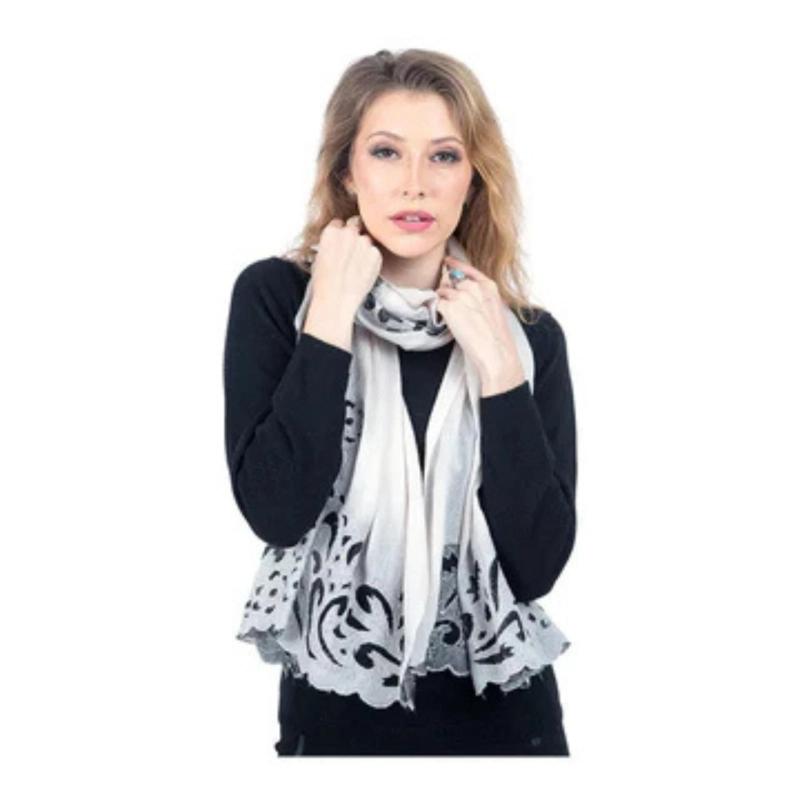
The elegance of a white pashmina shawl is more than just a symbol of luxury—it is the result of centuries-old craftsmanship, delicate skill, and an intimate understanding of nature’s finest fibres. While shoppers often admire its softness and pristine beauty, few get a glimpse into the world of the artisans who dedicate their lives to preserving this heritage craft. A pashmina shawl isn’t merely an accessory; it is an artistic narrative woven through patience, cultural legacy, and skill refined across generations.
Where the Story Begins: The Himalayan Origins
Every authentic pashmina begins high in the Himalayas, where the Changthangi goats endure frigid temperatures. These conditions naturally produce incredibly fine undercoat fibres, known locally as “pashm.” Harvesting this fibre is a gentle, labour-intensive process, as herders comb the goats by hand during molting season. This raw material forms the foundation of every pashmina piece, setting the stage for meticulous craftsmanship to follow.
The journey from raw fibre to a finished shawl is long and careful. Unlike many mass-produced textiles, pashmina creation cannot be rushed, and its beauty lies precisely in the time and technique behind every step.
Spinning the Delicate Threads by Hand
Once the fibres are collected and cleaned, skilled women—often working from their homes—hand-spin them into fine yarn. This tradition has been passed from mother to daughter, preserving age-old techniques. The yarn is spun using a simple wooden wheel, known as a “charkha,” requiring exceptional control and patience. Because authentic pashmina fibres are extremely lightweight and fragile, even slight uneven tension can break them.
This level of precision cannot be replicated by machines, which is why artisan-spun yarn retains a softness and purity unmatched by industrial alternatives. At this midpoint in the shawl’s journey, the white pashmina shawl often begins to take shape conceptually, allowing the weaver to envision the patterns and motifs that will later come alive on the loom.
The Loom: Where Threads Become Art
Once the yarn is ready, it moves to the weaving stage—the heart of the craft. Traditional wooden looms, operated entirely by hand, transform these delicate threads into a cohesive fabric. Weavers follow intricate patterns guided by years of experience, often spending weeks or months on a single piece. Every pass of the shuttle, every foot movement, and every slight pull of the threads contributes to the final outcome.
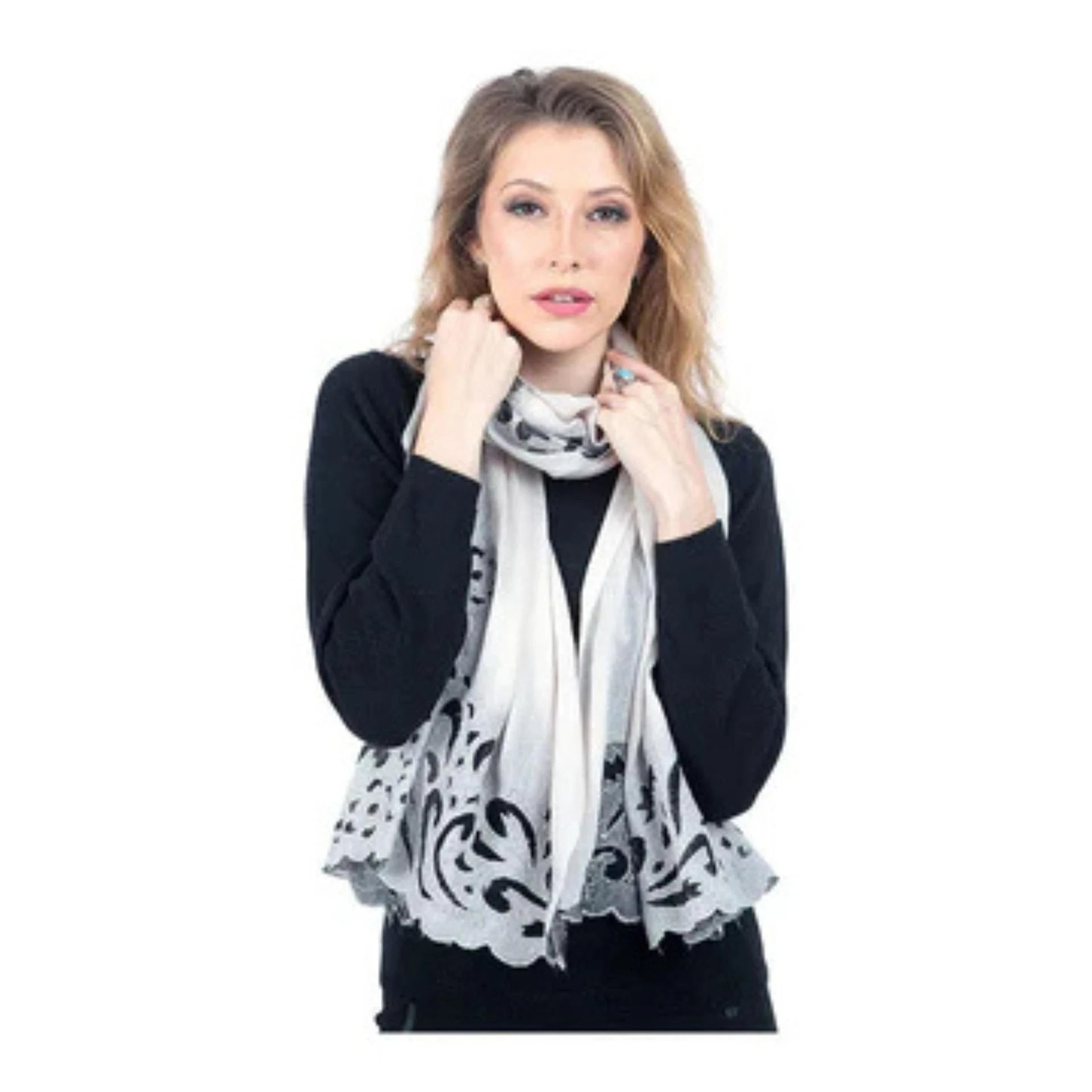
Patterns inspired by Kashmiri culture—floral vines, paisley motifs, and nature-inspired designs—come alive through the weaver’s rhythm and intuition. The skill here lies not only in technique but also in the ability to maintain consistency throughout the fabric, ensuring flawless drape and texture.
Subtle Variations That Make Each Shawl Unique
One of the most fascinating aspects of pashmina craftsmanship is the individuality of each piece. No two shawls, even with similar designs, are ever identical. Variations in fibre thickness, hand pressure, and natural dye absorption create subtle distinctions—little signatures left behind by the artisan. For customers, these nuances make a pashmina shawl more than just a winter accessory; they make it a collector’s item.
Factors that influence the uniqueness include:
- Slight irregularities in hand-spun yarn
- Differences in loom tension
- Natural variations in fibre softness
- Hand-dyed colour undertones when dyes are used
Each of these characteristics tells a story, elevating pashmina craftsmanship to an art form that celebrates imperfections rather than concealing them.
Why White Stands Out: Simplicity, Versatility & Purity
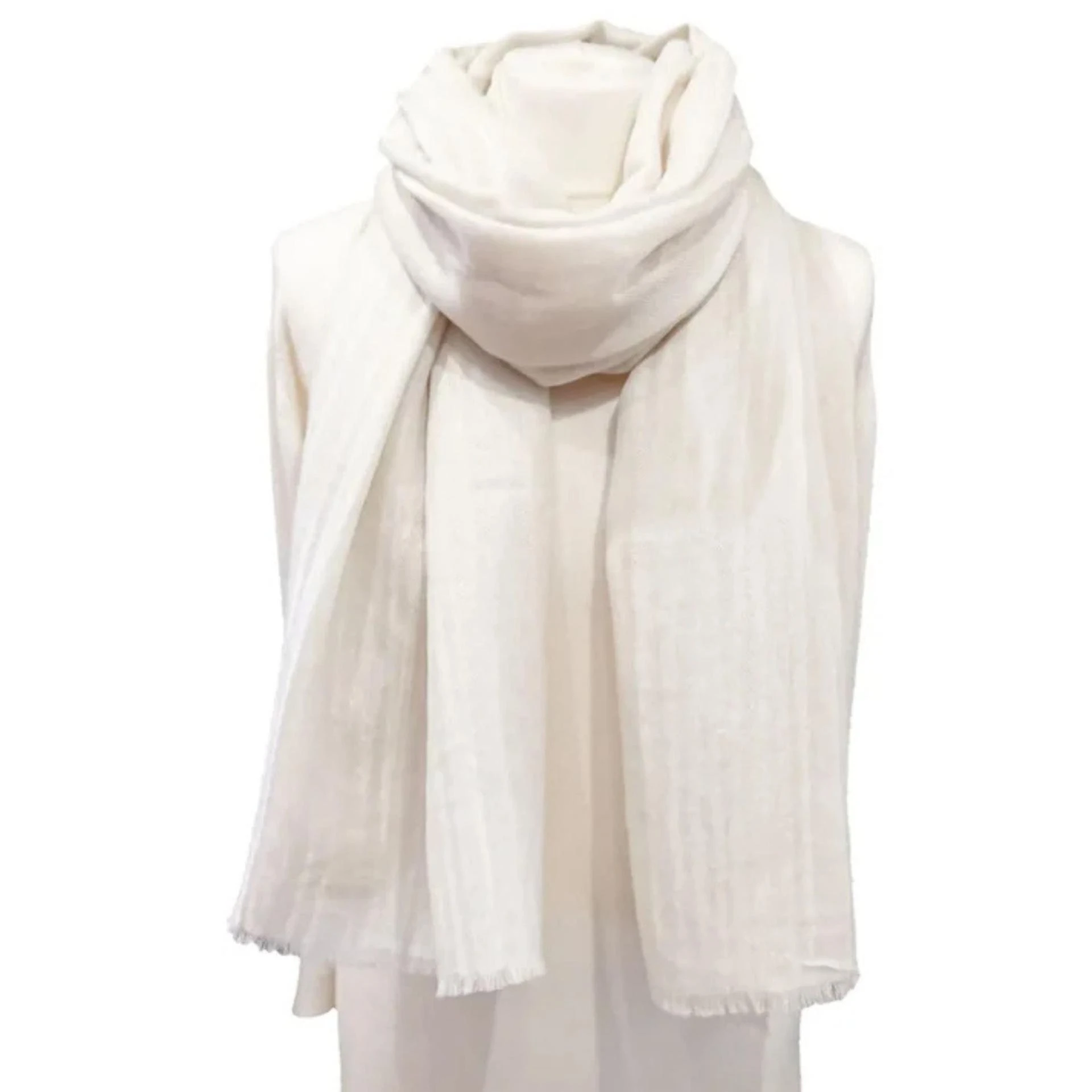
Among the many pashmina colours available, white holds a special place. It embodies purity, elegance, and timeless charm. A white shawl can seamlessly complement traditional attire, formal wear, or casual styles. It also highlights the finesse of the weave more visibly than coloured pieces, making it a favourite among connoisseurs who appreciate unembellished craftsmanship.
White pashmina also carries cultural symbolism in many regions, representing peace and clarity. For weavers, creating a flawless white piece demands extra care, as even the smallest inconsistency is noticeable—yet this challenge is embraced with pride.
Conclusion: Choose Craft, Choose Culture
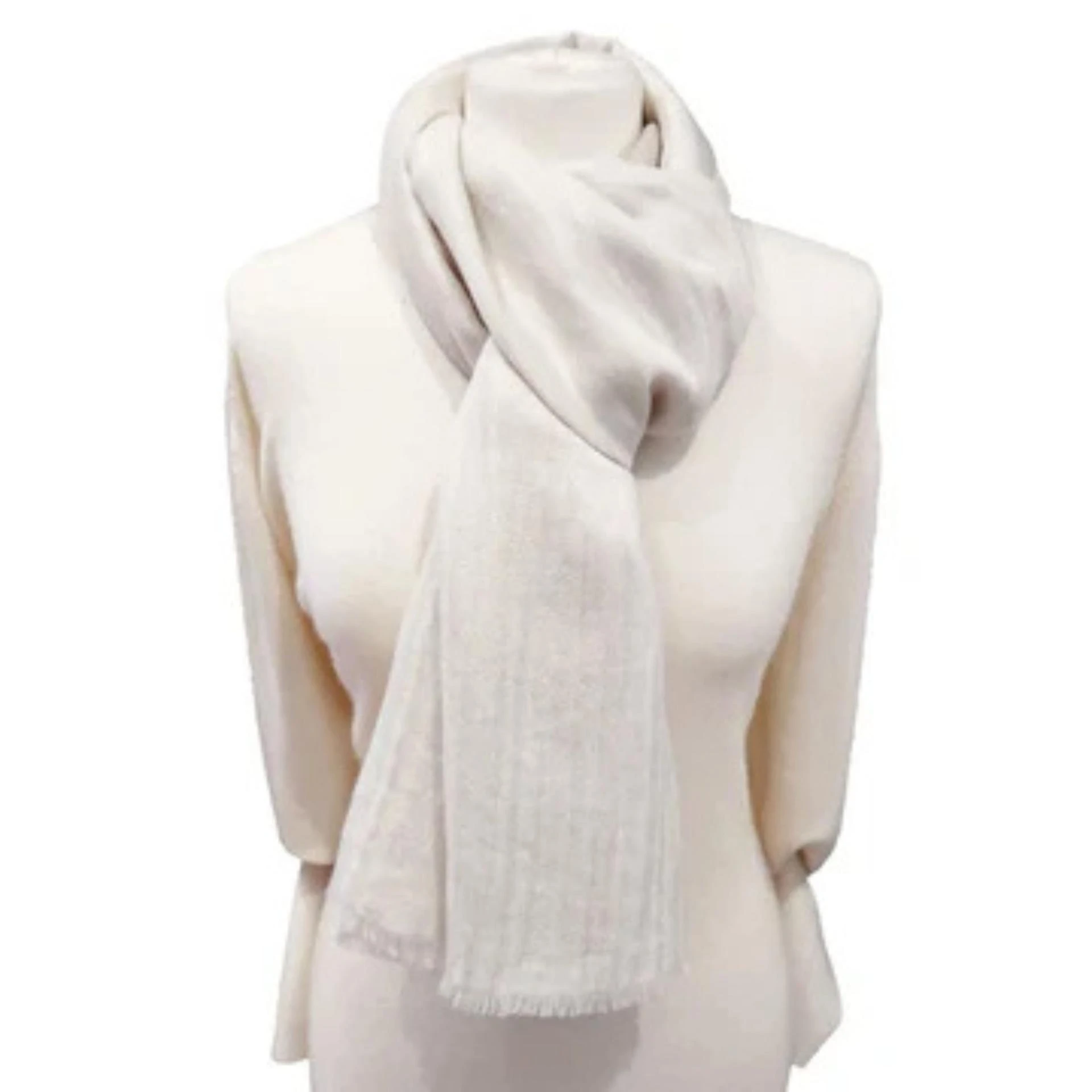
In a world moving rapidly toward machine-made convenience, choosing a white pashmina shawl means choosing heritage, artistry, and human touch. Each piece embodies the dedication of Himalayan herders, the patience of skilled spinners, and the mastery of weavers who breathe life into every thread.
Support the Craft—Bring Home a Story Today!
When you invest in authentic pashmina, you support artisans, preserve centuries-old traditions, and celebrate craftsmanship that modern manufacturing cannot replicate. Let your next purchase be more than an accessory—let it be a meaningful contribution to a timeless cultural legacy.