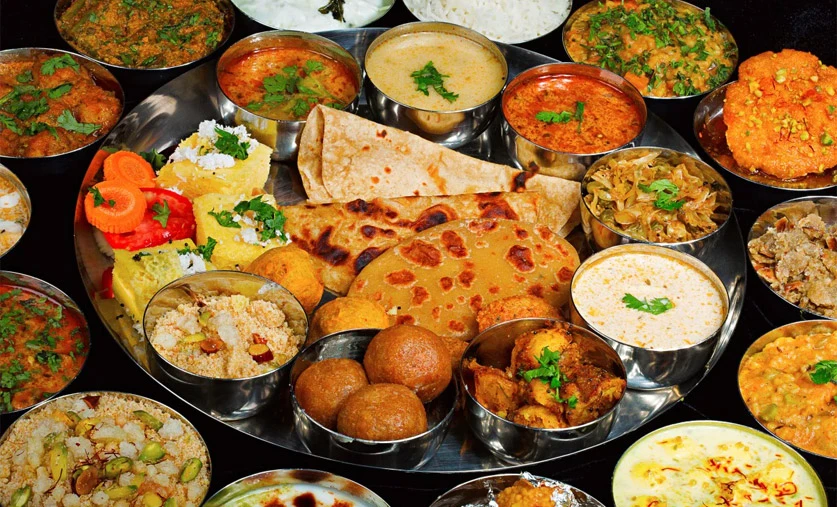
From the bustling lanes of Chandni Chowk to upscale international kitchens, North Indian food has carved a global niche with its bold flavors, comforting textures, and rich cultural lineage. It’s not just about eating; it’s an experience that immerses you in centuries of tradition, spice routes, and evolving taste palettes. Whether you're sampling butter chicken in London or enjoying a roadside aloo tikki in Old Delhi, the love for North Indian cuisine transcends borders. If you’re a traveler seeking authentic tastes, an old Delhi food tour is often the gateway into this flavorful universe.
What Makes North Indian Cuisine Globally Appealing?
North Indian food offers a perfect balance of aroma, taste, and variety. The use of dairy (like paneer, ghee, and cream), spices such as cardamom, cumin, and garam masala, and slow-cooking techniques brings out a depth of flavor that's hard to replicate. Unlike other regional cuisines, North Indian dishes typically cater to a wide spectrum of taste preferences — from fiery curries to mild dals and sweet desserts. This versatility is what appeals to both spice lovers and those with milder palates worldwide.
Moreover, cultural touchpoints like tandoori cooking, naan, and dishes like butter chicken or chole bhature have become part of the global food lexicon. These dishes are often among the first introductions foreigners have to Indian cuisine — and the first bite is rarely the last.
The Influence of Tradition and History on Taste
The roots of North Indian cuisine are deeply historical. With influences from Persian, Mughlai, and Central Asian culinary styles, it represents centuries of adaptation and fusion. The Mughals introduced rich gravies and biryanis, while local communities maintained vegetarian traditions steeped in Ayurveda. The result is a broad spectrum of food that tells the story of a region through its spices and ingredients.
Family recipes passed down through generations, street vendors perfecting their specialties over decades, and religious dietary customs all contribute to this richness. When a dish like rajma chawal is prepared, it's not just a meal; it’s a story of regional identity, culture, and emotional connection.
Rising Demand for North Indian Food Abroad
Over the past decade, North Indian restaurants have multiplied in major cities like New York, Toronto, Melbourne, and Tokyo. The growing diaspora and a heightened curiosity for international cuisine among global foodies have driven this demand. It’s not uncommon to find fine-dining versions of daal makhani or tandoori lamb chops in Michelin-starred establishments today.
What’s particularly interesting is how chefs adapt traditional dishes for local tastes without losing authenticity. Butter chicken might be slightly less spicy in Europe, while naan could be thinner in Japan. Yet the essence — the texture, the spices, the warmth — remains consistent, keeping the core audience satisfied while attracting new palates.
Role of Food Tourism in Popularizing North Indian Cuisine
Experiential tourism has seen a huge rise in recent years. Rather than ticking off monuments, modern travelers are increasingly seeking immersive cultural experiences, and food is a central part of that. For many, exploring India through a guided food tour package in India offers a deeper understanding of regional diversity and culinary techniques.
Tour operators now curate specialized food experiences — from local market visits to home-cooked meals with families — giving tourists a rare insider view into how real Indian food is prepared and enjoyed. These food walks and culinary workshops are not only fun but also deeply educational, helping travelers make sense of India's vast gastronomic tapestry.
Key Dishes That Captivate Global Palates
The Dishes of North India are a vibrant mix of vegetarian and non-vegetarian offerings. For vegetarians, classics like palak paneer, aloo gobi, and dal tadka offer comfort and flavor. Non-vegetarians are often enamored with the richness of rogan josh, chicken korma, or kebabs grilled in a traditional tandoor.
Here are a few globally celebrated North Indian dishes:
- Butter Chicken – Creamy, tangy, and mildly spiced
- Rogan Josh – Slow-cooked lamb curry with aromatic spices
- Chole Bhature – Spiced chickpeas paired with fluffy deep-fried bread
- Tandoori Chicken – Marinated and grilled to smoky perfection
- Paneer Tikka – A vegetarian favorite served straight from the tandoor
Each dish is not just a combination of ingredients but an experience. The richness of flavors, the layered textures, and the stories behind these recipes make them memorable for diners across cultures.
Trust and Authenticity: What Sets the Real Experience Apart
In today’s global culinary scene, authenticity matters more than ever. Diners want more than just good food — they want credible sources, responsible cooking, and trustworthy representation of the cuisine’s roots. This is where expertise and experience come into play.
Authentic North Indian food isn’t just about replicating a recipe — it’s about using traditional cooking techniques, high-quality ingredients, and respecting the cultural context. This is why well-curated tours and expert-led culinary experiences are so valued by international travelers and food enthusiasts alike. The difference between a generic curry and a properly prepared Punjabi dish lies in the knowledge of the cook and the authenticity of the experience.
Final Thoughts
The global obsession with North Indian food isn’t just a trend — it’s a reflection of how food can act as a bridge between cultures. It speaks of warmth, hospitality, and centuries of culinary wisdom. As more people seek real, immersive food experiences, North Indian cuisine continues to rise in popularity, offering comfort, adventure, and a deep connection to one of the world’s richest food traditions.
Whether you're planning your first visit to India or looking to deepen your knowledge of its culinary map, there's no better way to understand the culture than through its food. And few things compare to sitting down for a flavorful, spice-laden North Indian meal that leaves you both full and fascinated.