



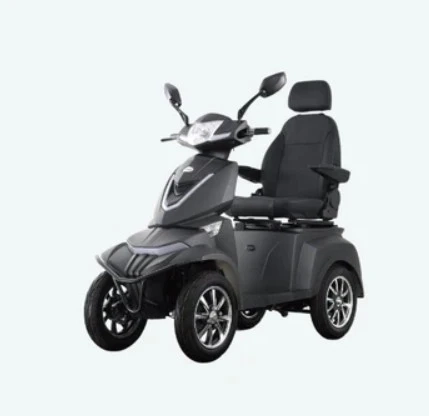
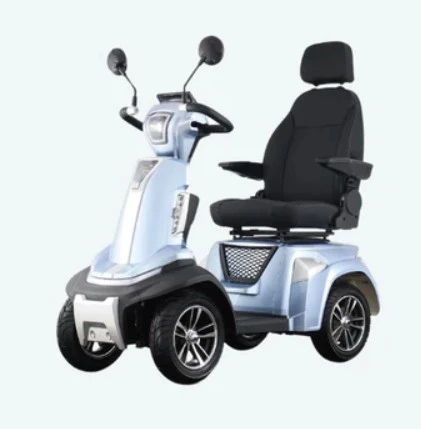
Buying a mobility scooter is a big decision. You are not just picking a product. You are choosing day-to-day comfort, freedom, and peace of mind.
This guide is written in a practical way, based on what matters most to real users: stability, range, turning space, battery life, service support, and clear costs. At Avantis, the goal is simple: help you choose with confidence, avoid common mistakes, and get a setup that stays reliable for years.
Why Quality Matters for Medical Mobility Devices in Canada
Choosing between the various Medical Mobility Devices in Canada requires a careful look at safety standards and regulatory compliance. At Avantis, expertise is baked into our DNA. Our devices are recognized by Health Canada as Class II Medical Devices, which is a critical distinction. Not only does this ensure the device meets rigorous safety benchmarks for stability and braking, but it also makes the purchase 100% tax-exempt for Canadians—putting thousands of dollars back into the pockets of those who need it most.
Furthermore, the engineering behind high-end Medical Mobility Devices in Canada must account for terrain versatility. The Enza, for instance, features a 17-degree climbing capability and hydraulic dual-disc brakes, providing superior stopping power on the wet or icy surfaces often encountered in urban and suburban Canadian environments.
1) Start with your real use case
Before you compare models, map your routine:
- Where will you ride most? Indoors, outdoors, or both
- Typical distance per day and how often you go out
- Road conditions: smooth sidewalks vs. uneven paths
- Transport needs: car trunk, elevator, tight hallways
This stops you from buying “too small” or “too heavy” for your daily life.
2) Pick the right scooter type
Most choices fall into three buckets:
- Travel scooters: lighter, easier to carry, best for short trips and smooth surfaces
- 3-wheel scooters: tighter turns, good for indoor use, less stable on rough ground
- 4-wheel scooters: better stability outdoors, often better comfort for longer rides
If you are comparing an Enza Mobility Scooter, focus on what fits your home layout and the surfaces you actually face, not only the top speed.
3) Fit and comfort decide whether you’ll use it
Comfort features are not “extras.” They decide if the scooter feels safe and pleasant. Check:
- Seat width, padding, swivel function
- Armrest height and adjustability
- Legroom and foot platform comfort
- Suspension (important for uneven areas)
- Handlebar reach and easy-to-read controls
A quick test ride can reveal more than a spec sheet.
4) Safety first, every time
Look for safety features you will notice daily:
- Strong braking and controlled stopping
- Anti-tip wheels and stable base
- Lights, reflectors, and horn (useful in parking lots)
- Speed control that feels smooth at low speeds
- Good traction for mild slopes and ramps
If you are shopping for Medical Mobility Devices in Canada, ask the seller to explain safety limits clearly: max incline, turning radius, and safe load range.
5) Battery, range, and charging reality
Range claims vary because they depend on rider weight, slopes, temperature, and surface type. A good approach:
- Choose a range that covers your usual day plus a buffer
- Ask how long a full charge takes
- Ask the expected battery replacement interval and cost
- Check if the charger is easy to plug in and handle
Cold weather can reduce range, so plan accordingly.
6) Service support matters as much as the scooter
A scooter becomes stressful when service is hard to get. Before buying, confirm:
- Warranty coverage and what it excludes
- Local service options and typical turnaround time
- Spare part availability
- Setup support (seat, controls, tire pressure, battery care)
When you compare mobility scooter sales in Canada, do not compare price alone. Compare the after-sale support and clear paperwork too.
7) Cost clarity: avoid surprises
Ask for a simple written view of:
- Scooter price
- Warranty length and what is included
- Battery replacement range
- Service visit fees (if any)
- Return or exchange rules
Clear terms reduce stress later.
Conclusion
A mobility scooter is a daily partner, not a one-time purchase. Choose based on where you ride, how it fits your body, and how easy it is to service.
If you are considering an Enza Mobility Scooter, base the decision on comfort, stability, and the support you can count on. For people comparing Medical Mobility Devices in Canada, it helps to treat safety, warranty, and service access as must-haves. And when you review mobility scooter sales in Canada, keep your focus on long-term value, not just the ticket price.
FAQs
1) What is the best scooter for indoor use?
Look for a tight turning radius, a compact frame, and smooth low-speed control. A 3-wheel model often turns better indoors, but check stability needs.
2) How do I know if I need 3-wheel or 4-wheel?
Choose 3-wheel for tight indoor spaces. Choose 4-wheel for outdoor stability, rough sidewalks, and longer rides.
3) How much range should I target?
Pick a range that covers your longest regular day plus extra for detours and battery aging. Range drops in colder conditions too.
4) What should I ask about warranty and service?
Ask what parts are covered, how claims work, where repairs happen, and how long repairs usually take. Also ask about battery terms.
5) Can I transport a scooter in a small car?
Many travel scooters are designed for easier transport, but weight still varies a lot. Confirm total weight and whether it breaks into manageable pieces.