



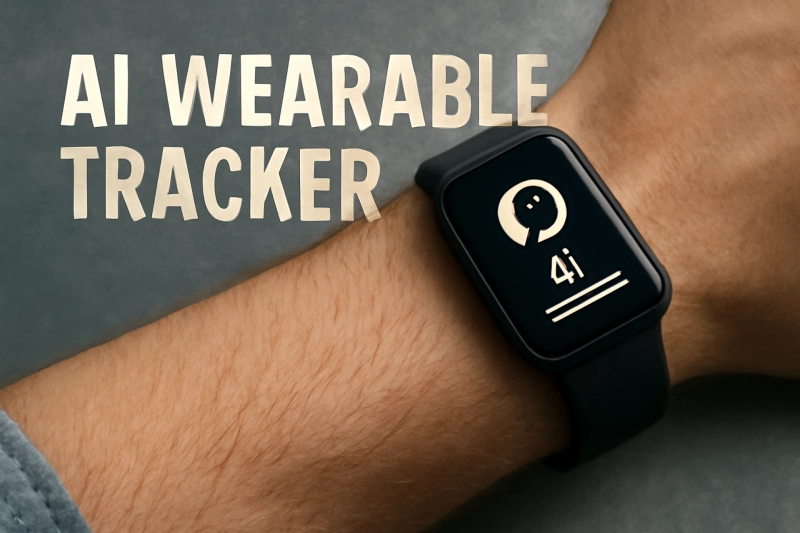
The healthcare industry is experiencing rapid advancements, with technology playing a crucial role in reshaping how we manage and monitor health. One of the most significant innovations driving this transformation is the AI wearable tracker. These devices have revolutionized healthcare by offering continuous monitoring, real-time health data, and predictive insights, all integrated into a small, wearable device. As more companies invest in this technology, the potential for AI-powered wearables to improve patient care, reduce healthcare costs, and enhance overall well-being continues to grow.
In this article, we will explore the power of AI wearable trackers, how they work, their applications in healthcare, and the benefits they bring to both patients and healthcare providers. We will also discuss the development process, including key features to consider when creating an AI wearable tracker app and the steps involved in bringing your app to market.
What is an AI Wearable Tracker?
An AI wearable tracker is a device that uses artificial intelligence (AI) to monitor and analyze a user's health data in real-time. These trackers are designed to collect various health metrics, such as heart rate, blood pressure, activity levels, and sleep patterns, providing users with insights into their well-being. The data collected by these devices is processed by AI algorithms, which can detect patterns, predict health risks, and suggest lifestyle adjustments to help users maintain optimal health.
Key Features of AI Wearable Trackers:
- Real-time health monitoring: Continuous data collection for accurate health tracking.
- Predictive analytics: AI analyzes the data to predict potential health risks.
- Personalized health insights: Recommendations tailored to individual health needs.
- Seamless integration with healthcare providers: Enables remote monitoring and timely interventions.
How Do AI Wearable Trackers Work?
AI wearable trackers are powered by a combination of sensors, AI algorithms, and cloud-based platforms. These devices monitor vital signs and other health metrics through sensors embedded in wearables like smartwatches, fitness bands, or medical-grade devices. The collected data is then processed in real-time by AI algorithms, which provide actionable insights, alerts, and recommendations to users.
The Key Components of an AI Wearable Tracker:
- Sensors: Collect data on heart rate, sleep patterns, activity levels, blood pressure, etc.
- AI Algorithms: Analyze data to detect trends, predict health risks, and personalize care recommendations.
- Cloud Integration: Stores and processes data securely, allowing healthcare providers to access it remotely.
The Role of AI in Health Tracking
AI plays a central role in enhancing the effectiveness of AI wearable trackers. By analyzing vast amounts of data collected from wearables, AI can detect subtle patterns that may indicate early signs of health issues, such as cardiovascular disease, diabetes, or respiratory problems. This predictive capability allows users to take preventive measures before a health condition worsens, improving outcomes and reducing the need for costly hospital visits.
How AI Improves Health Tracking:
- Early Detection of Health Risks: AI can identify changes in health data that suggest a potential issue, allowing users to take action before it becomes critical.
- Personalized Health Plans: AI algorithms can tailor recommendations based on individual data, ensuring more relevant advice for each user.
- Predictive Analytics: AI predicts potential health problems by analyzing trends in the user's data over time, providing proactive healthcare management.
Benefits of AI Wearable Trackers
The integration of AI into wearable health devices offers numerous benefits for both individuals and healthcare providers. These benefits include enhanced health monitoring, better decision-making, and improved patient outcomes. Below are some of the most significant advantages:
1. Real-Time Health Monitoring
AI wearable trackers provide continuous monitoring of various health metrics, offering real-time insights into a user’s condition. This allows users to track their health status at any given moment, empowering them to take charge of their well-being.
2. Predictive Health Insights
AI-powered trackers can analyze historical and real-time data to predict potential health risks, enabling users to take preventive measures. For example, if the tracker detects an irregular heart rate pattern, it can alert the user or healthcare provider to potential heart-related issues.
3. Remote Healthcare Monitoring
AI wearable trackers can transmit data to healthcare providers, allowing for remote patient monitoring. This reduces the need for frequent in-person visits, making healthcare more accessible and efficient.
4. Personalized Care
The AI algorithms in wearable trackers create personalized health profiles based on the data collected. These profiles allow for tailored health advice, making it easier to manage chronic conditions or improve overall health.
5. Data-Driven Decision Making
For healthcare providers, AI wearable trackers provide valuable data that can help guide medical decisions. By monitoring patient health remotely and in real-time, doctors can make informed decisions without waiting for in-office consultations.
Key Features to Include in an AI Wearable Tracker
When developing an AI wearable tracker, it’s essential to integrate features that enhance the user experience, improve the accuracy of health monitoring, and provide valuable insights. Here are some key features to consider:
1. Real-Time Data Collection
AI wearable trackers must be able to collect health data continuously. The more parameters the device can monitor—such as heart rate, blood pressure, temperature, oxygen levels, and physical activity—the more comprehensive the health insights will be.
2. Predictive Analytics and Health Alerts
AI-powered trackers should analyze data and provide early warnings about potential health risks. For example, the system should notify users about abnormal heart rate fluctuations or irregular breathing patterns, allowing them to take preventive measures quickly.
3. Personalized Health Recommendations
A key feature of AI wearable trackers is their ability to generate personalized health recommendations. By analyzing the user's health data, the AI can suggest lifestyle changes, fitness routines, or dietary adjustments based on their unique needs.
4. Seamless Integration with Healthcare Providers
AI wearable trackers should integrate seamlessly with healthcare systems, allowing providers to monitor patient data remotely. This integration ensures that healthcare professionals can intervene when necessary and offer timely support.
5. Battery Efficiency and Device Compatibility
For a wearable tracker to be practical, it must have long battery life and be compatible with various devices, such as smartwatches and fitness bands. Battery efficiency is critical, as users should not need to charge the device frequently.
Steps to Develop an AI Wearable Tracker
Creating an AI wearable tracker involves several key steps, from initial concept development to final deployment. Below is an overview of the development process:
1. Market Research and Conceptualization
The first step in developing an AI wearable tracker is conducting market research to identify target users, analyze competitors, and understand the specific features needed. This phase also involves defining the tracker’s functionalities and developing a clear vision for the product.
2. Selecting Wearable Devices and Sensors
Choosing the right hardware is critical for ensuring accurate data collection. Wearable devices like smartwatches and fitness trackers must be compatible with various sensors to track health parameters effectively.
3. AI Algorithm Development
The AI algorithms are at the heart of the wearable tracker. These algorithms need to be trained to process health data, detect patterns, and make predictions. Machine learning models must be built and tested to ensure their accuracy and reliability.
4. Data Security and Privacy
Given the sensitive nature of health data, ensuring robust security and privacy measures is essential. The AI wearable tracker must adhere to data protection regulations, such as HIPAA or GDPR, to ensure that user data is secure.
5. User Interface and Experience (UI/UX) Design
A user-friendly interface is crucial for any wearable tracker. The app should be intuitive and easy to navigate, allowing users to view their health data, set goals, and receive alerts.
6. Testing and Quality Assurance
Before launch, the wearable tracker must undergo rigorous testing to ensure it performs as expected. This includes testing for data accuracy, real-time processing, device compatibility, and security.
7. Deployment and Maintenance
After testing, the tracker is deployed to app stores for download. Ongoing maintenance and updates are necessary to ensure the device continues to function optimally and that new features are added over time.
The Future of AI Wearable Trackers
The future of AI wearable trackers looks incredibly promising. As AI and wearable technology continue to evolve, these devices will become even more advanced and capable of monitoring a broader range of health metrics. The integration of AI will make wearable trackers an even more powerful tool in proactive healthcare management.
1. Enhanced AI Capabilities
Future AI wearable trackers will be able to predict a wider range of health issues, from mental health conditions to chronic diseases. As AI algorithms continue to improve, these trackers will become even more accurate in identifying potential health risks.
2. Greater Integration with Healthcare Providers
As more healthcare providers adopt wearable technology, AI trackers will play an integral role in remote patient monitoring. They will seamlessly integrate with electronic health records (EHR), providing real-time updates for clinicians.
3. Broader Accessibility
As the technology becomes more affordable, AI wearable trackers will be accessible to a wider population. This increased accessibility will empower more individuals to take control of their health, regardless of their location or socioeconomic status.
Conclusion
AI wearable trackers are revolutionizing healthcare by providing continuous, real-time monitoring and predictive insights. These devices allow users to track their health metrics, receive personalized recommendations, and detect potential health risks early. The integration of AI into wearables has made it possible for healthcare providers to monitor patients remotely, improving care delivery and outcomes.
With the growing demand for health management tools, investing in AI wearable tracker development presents a significant opportunity for businesses in the healthcare industry. Whether you are looking to develop a new AI wearable app or enhance an existing one, understanding the key features, development steps, and challenges is essential. By staying ahead of the technological curve and incorporating the latest advancements in AI and wearable technology, you can create a solution that transforms healthcare for the better.
Ready to bring your AI wearable tracker idea to life? Reach out to experienced developers who specialize in wearable technology and AI to help you create a cutting-edge solution tailored to your business needs.