


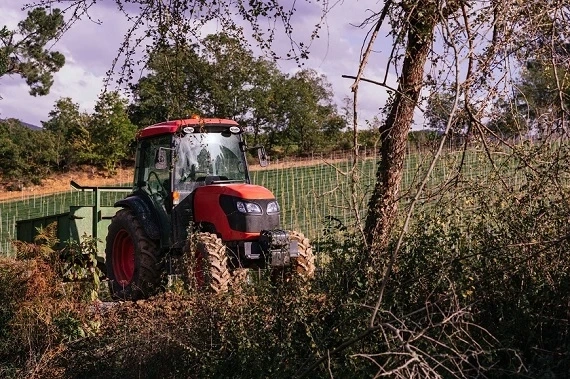
Agriculture has always been the backbone of civilization, but in today’s era of digital innovation, farming is undergoing a massive transformation. The modern Farm Tractor is no longer just a mechanical workhorse—it’s now a smart, connected machine equipped with cutting-edge technology designed to boost productivity, reduce costs, and ensure sustainability.
As farmers face increasing pressure to produce more with fewer resources, smart technology in tractors is revolutionizing how we cultivate the land. From GPS navigation to autonomous systems, these advancements are changing the very foundation of modern farming.
1. The Rise of Smart Farming
The term smart farming refers to the use of digital tools, automation, and data analytics to enhance agricultural operations. Modern farmers are utilizing advanced technologies to make informed decisions about planting, irrigation, harvesting, and equipment management.
Tractors, being the heart of farming machinery, have evolved to become the central hub of this innovation. These machines now come with intelligent systems that integrate seamlessly with farm management software, sensors, and real-time data analytics.
This shift from traditional machinery to smart, data-driven equipment marks a new era of efficiency—one where technology enables farmers to save time, fuel, and money while maximizing crop yields.
2. GPS and Precision Guidance Systems
One of the most significant technological upgrades in modern tractors is GPS-based guidance systems. These systems allow farmers to map their fields accurately and guide the tractor along precise paths, reducing overlaps and missed spots during planting or spraying.
By improving precision, GPS technology helps minimize input waste such as seeds, fertilizers, and pesticides. It also ensures consistent soil coverage, promoting uniform crop growth.
The accuracy of GPS-enabled tractors has made large-scale farming more efficient, especially in regions with vast agricultural lands. For small and mid-sized farms, this technology levels the playing field, allowing them to achieve large-scale productivity without the same manpower or machinery fleet.
3. Autonomous Tractors: The Future Is Here
Imagine a tractor that operates on its own—plowing, planting, or harvesting while you monitor its progress from a smartphone. Autonomous tractors, once a futuristic dream, are now becoming a reality.
These self-driving machines use artificial intelligence (AI), sensors, and LiDAR systems to navigate fields, detect obstacles, and execute tasks with remarkable accuracy. They can work around the clock without fatigue, increasing overall efficiency and reducing labor costs.
For instance, an autonomous Farm Tractor in Clyde could cover large acres efficiently during planting or harvesting seasons, even when manpower is limited. This technology is especially valuable in rural communities where finding skilled operators can be a challenge.
While full automation is still developing, semi-autonomous tractors are already making their way to farms, offering features such as automated steering, route planning, and task monitoring.
4. Telematics and Real-Time Data Monitoring
Telematics has become a game-changer for modern farming. This technology allows farmers to remotely monitor and manage their tractors through internet-connected systems.
A telematics system collects real-time data on tractor performance, fuel usage, engine health, and location. Farmers can access this information through mobile apps or computer dashboards, making maintenance and operations more efficient.
For example, if a tractor shows signs of mechanical stress, the system can alert the operator immediately. This proactive approach prevents costly breakdowns and reduces downtime during critical farming periods.
Telematics also enables farmers to track their equipment fleets across multiple locations, ensuring that every tractor is used optimally.
5. Advanced Sensor Technology
Sensors have brought a new dimension to how tractors interact with their environment. Modern tractors are equipped with various sensors that collect data about soil conditions, crop health, and weather.
Soil moisture sensors help determine the right time and amount of irrigation, while nutrient sensors analyze soil fertility to guide fertilizer application. Meanwhile, onboard cameras and imaging sensors assist in detecting weeds and adjusting spraying patterns automatically.
These innovations promote precision agriculture—a farming method that minimizes resource use while maximizing yield. The smart integration of sensors with tractors ensures that every input—water, fertilizer, or pesticide—is used efficiently and sustainably.
6. Connectivity and the Internet of Things (IoT)
The Internet of Things (IoT) has transformed tractors into connected machines capable of communicating with other devices and systems on the farm.
IoT-enabled tractors can synchronize with drones, irrigation systems, and farm management software, creating a seamless data ecosystem. For instance, a drone could survey a field and send data directly to the tractor, which then adjusts its operations based on the information received.
This interconnected approach helps farmers make quick, data-driven decisions, improving both productivity and sustainability. It also enables better planning by analyzing trends over time—such as soil health, crop performance, and resource usage.
7. Electric and Hybrid Tractors: Sustainability in Motion
As the world focuses on reducing carbon emissions, the farming industry is also moving toward sustainability. Electric and hybrid tractors are emerging as eco-friendly alternatives to diesel-powered machines.
These tractors not only cut down on fuel consumption but also produce less noise and fewer emissions. With advancements in battery technology, electric tractors are becoming more practical for various farm operations.
In addition, regenerative braking systems and solar charging capabilities are being explored to make farming operations even greener. Over time, these innovations will help farmers reduce their environmental footprint while maintaining productivity.
8. Artificial Intelligence and Predictive Maintenance
Artificial Intelligence (AI) is playing a crucial role in improving tractor performance and maintenance. Through predictive analytics, AI systems can identify potential mechanical issues before they lead to breakdowns.
By analyzing data from sensors and telematics, AI-powered systems suggest maintenance schedules, ensuring that tractors operate efficiently throughout the year.
AI also helps in decision-making, such as determining the best time for planting or harvesting based on weather patterns and soil data. This predictive intelligence allows farmers to stay one step ahead of nature’s uncertainties.
9. Enhanced Comfort and Safety Features
Modern tractors are not just smarter—they’re also more comfortable and safer. Today’s cabs are equipped with ergonomic seating, climate control, touchscreen displays, and automated controls that make long hours in the field more manageable.
Safety has also improved through collision detection, rollover protection, and 360-degree camera systems that provide full visibility. These enhancements reduce fatigue and the risk of accidents, ensuring that farmers can work more confidently and efficiently.
10. The Road Ahead: Smarter, Greener, and More Efficient
The evolution of tractors from manual machines to smart systems marks one of the most significant advancements in agricultural history. As technology continues to evolve, farmers will gain access to even more powerful tools—integrating AI, robotics, and data analytics to transform farming into a highly efficient, sustainable industry.
The future promises tractors that not only think and learn but also adapt to changing conditions in real-time. The goal is simple: to help farmers do more with less—less time, less fuel, and less environmental impact.
Conclusion: Partnering for the Future of Farming
The future of agriculture is bright, driven by innovation and powered by technology. Modern tractors are no longer just about horsepower—they’re about smart power.
For farmers looking to embrace this new era of farming excellence, Smith & Sons Farm Equipment, Inc. stands as your trusted partner. With a wide range of advanced Farm Equipment for Sale, expert guidance, and exceptional service, they help you choose the right technology-driven solutions for your farm’s success.
Whether you’re upgrading to a new smart tractor or maintaining your current fleet, Smith & Sons ensures you have the tools to grow with confidence and efficiency—today and into the future.