



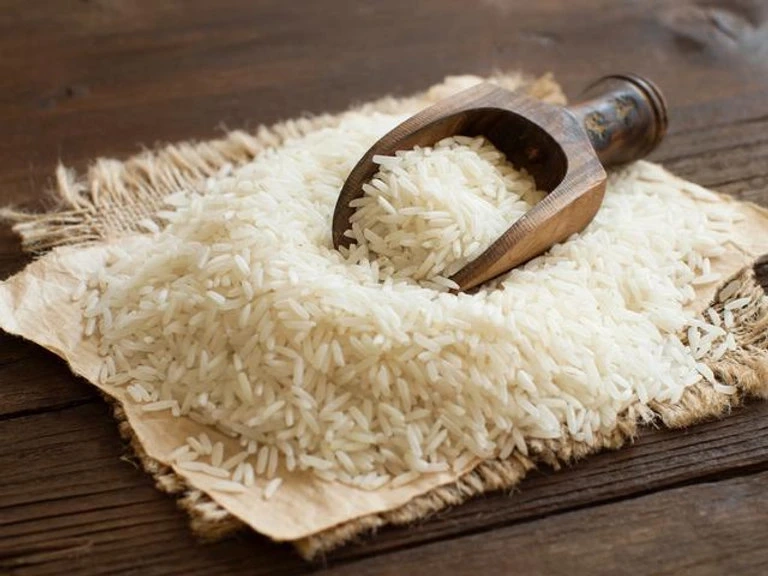
Basmati rice, known for its long grains, delicate aroma, and fluffy texture, holds a special place in the hearts and kitchens of people across the UAE. In a nation that celebrates cultural diversity through its cuisine, basmati rice stands as a common thread connecting different traditions — from Emirati and Indian dishes to Pakistani, Persian, and even Western fusion recipes. The UAE’s vibrant food culture embraces basmati rice as more than just a meal component; it’s a symbol of hospitality, quality, and refined taste.
Whether served with a rich chicken biryani, a comforting plate of mutton korma, or alongside aromatic curries, basmati rice brings flavor and finesse to every dining table. Its presence in UAE supermarkets and restaurants is a reflection of how this humble grain continues to unite people from diverse culinary backgrounds.
The Legacy and Origin of Basmati Rice
Basmati rice traces its roots to the Indian subcontinent, where it has been cultivated for centuries. The word Basmati itself comes from the Sanskrit word vasmati, meaning “fragrant.” Traditionally grown in the fertile foothills of the Himalayas, basmati rice has earned a global reputation for its distinctive aroma and texture.
In the UAE, where culinary traditions from Asia, the Middle East, and beyond coexist, basmati rice is a staple ingredient. Its adaptability makes it ideal for Emirati dishes like machboos or biryani, as well as for international favorites such as pilafs, fried rice, and rice salads. With its light, non-sticky nature, basmati complements both rich gravies and dry roasted meats — making it an essential part of daily meals and festive feasts alike.
Why Basmati Rice Is So Popular in the UAE
The UAE’s love for basmati rice can be attributed to several factors: quality, cultural diversity, and a passion for premium food experiences. As a melting pot of global cuisines, the country’s residents — from Emiratis to expatriates — share a deep appreciation for high-quality ingredients.
A Symbol of Luxury and Quality:
Basmati rice is considered a luxury grain due to its unique fragrance, slender shape, and fluffy consistency after cooking. Many households in the UAE prefer aged basmati rice, as it offers superior taste and texture.
Cultural Connection:
The UAE’s large South Asian population has helped popularize traditional dishes like biryani, pulao, and kabsa, all of which depend heavily on basmati rice. The ingredient’s cultural and emotional significance makes it a pantry essential across the country.
Health Benefits:
Compared to other rice varieties, basmati rice has a lower glycemic index, making it a healthier choice for those mindful of their diet. It’s naturally gluten-free, rich in essential nutrients, and easily digestible — aligning perfectly with the UAE’s growing interest in wellness and balanced eating.
Cooking the Perfect Basmati Rice
Achieving that ideal fluffy, fragrant texture requires both care and technique. Here are a few tried-and-tested tips popular among UAE home chefs:
- Rinse the Rice: Wash basmati rice several times to remove excess starch and prevent stickiness.
- Soak Before Cooking: Soaking for 20–30 minutes helps elongate the grains and ensures even cooking.
- Use the Right Water Ratio: Generally, one cup of rice to two cups of water works best.
- Avoid Over-Stirring: Once the rice starts cooking, let it simmer gently without stirring too much — this keeps the grains long and separate.
- Fluff with a Fork: After cooking, use a fork to fluff the rice and release steam evenly.
These simple steps bring out the best in basmati rice, making it the perfect complement to everything from spicy curries to grilled seafood.
Basmati Rice and Emirati Cuisine
In Emirati households, rice plays a central role in traditional dishes that symbolize warmth and hospitality. Dishes like machboos, madrouba, and kabsa are often made using basmati rice, which absorbs flavors beautifully from spices, meat, and saffron. The combination of basmati rice with aromatic blends like cardamom, cinnamon, and cloves creates a rich sensory experience that’s deeply tied to UAE’s culinary heritage.
Moreover, basmati rice is not limited to home cooking. Restaurants across Dubai, Abu Dhabi, and Sharjah feature it in gourmet menus — from South Asian eateries serving biryanis to Arabic fine-dining spots offering fragrant rice-based platters.
Sustainability and Quality Assurance
As the UAE emphasizes sustainability in food sourcing, many importers and retailers are now offering ethically sourced and organic basmati rice options. These eco-friendly choices appeal to consumers who prioritize health, quality, and environmental responsibility. Strict quality checks ensure that basmati rice sold in the UAE meets international standards for purity, aroma, and grain length — ensuring every bag delivers the authentic basmati experience.
Conclusion: A Grain That Connects Cultures
Basmati rice in the UAE is more than just a culinary ingredient — it’s a bridge between cultures, traditions, and modern lifestyles. From lavish family gatherings to everyday meals, it continues to be a symbol of comfort, flavor, and togetherness. As the demand for organic foods grows across the UAE, many households are now choosing organic basmati rice as a healthier and more sustainable option for their daily meals.
Its journey from the foothills of the Himalayas to the heart of UAE kitchens tells a story of taste, tradition, and global harmony. Whether enjoyed at home, in restaurants, or sourced through online shopping platforms, basmati rice remains an essential part of the UAE’s dining culture — cherished for its aroma, elegance, and timeless appeal.