



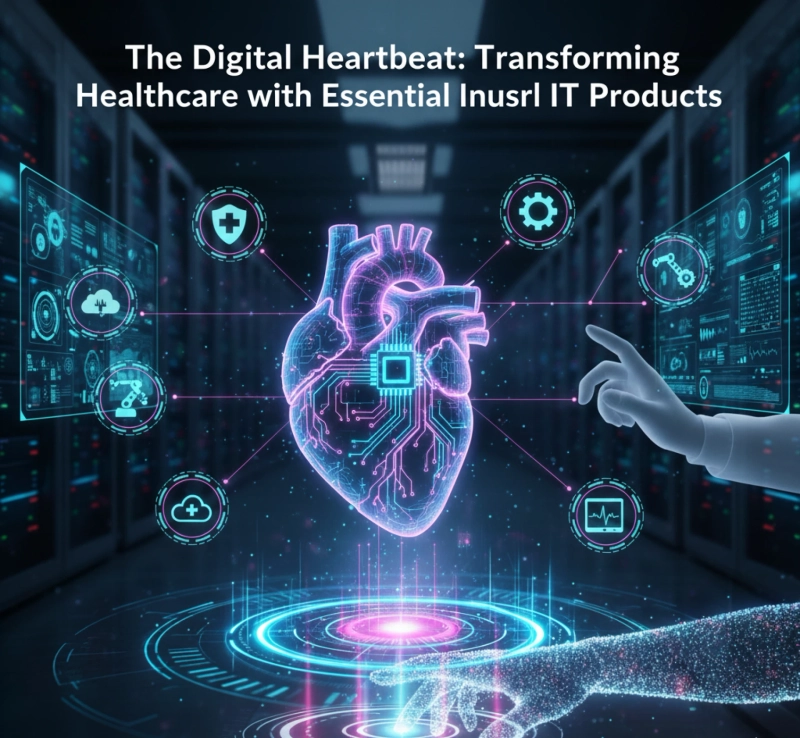
The healthcare industry stands at a crucial juncture, undergoing a rapid, technology-driven transformation. Far from being mere digital filing systems, healthcare IT products are the lifeblood of modern medicine, fundamentally reshaping how care is delivered, managed, and experienced. These sophisticated solutions are not just improving efficiency; they are actively saving lives, enhancing patient access, and paving the way for a truly personalized and proactive future of health.
The Pillars of Modern Healthcare IT
The diverse landscape of healthcare IT can be broadly categorized into several core product types, each serving a critical function in the care continuum:
1. Electronic Health Records (EHR) and Electronic Medical Records (EMR)
The bedrock of digital healthcare, EHR and EMR systems are the ultimate patient data repositories. They digitize, centralize, and secure a patient's complete medical history, including diagnoses, medications, treatment plans, immunization dates, allergies, and test results.
· Impact: They eliminate the inefficiency and error inherent in paper-based records. For providers, this means instant, unified access to patient data across departments, leading to more informed decisions and better coordinated care. For patients, it ensures continuity of care, especially when seeing multiple specialists.
2. Telemedicine and Virtual Care Platforms
The pandemic accelerated the adoption of telemedicine, but its value proposition extends far beyond crisis management. These platforms facilitate real-time audio and video consultations, secure messaging, and remote physical exams.
· Impact: Telemedicine dramatically expands access to care, particularly for patients in rural or underserved areas, those with mobility issues, and for routine follow-ups. It reduces travel time, cuts down on hospital readmissions, and makes healthcare more convenient for both patients and providers.
3. Remote Patient Monitoring (RPM) Systems and Wearable Integration
RPM products represent the seamless connection between the clinic and the home. They utilize medical-grade devices, wearables (like smartwatches and specialized biosensors), and mobile apps to continuously collect vital signs, glucose levels, heart rhythms, and other key health metrics.
· Impact: This shift from reactive to proactive care is revolutionary. RPM allows doctors to track chronic conditions in real-time, detect subtle but critical deviations, and intervene before an acute episode occurs. This is vital for managing conditions like diabetes, hypertension, and heart disease, ensuring better outcomes and reducing emergency room visits.
4. Clinical Decision Support Systems (CDSS)
CDSS are the intelligent assistants in the clinical workflow. These software solutions analyze patient data, cross-reference it with vast medical knowledge bases and best-practice guidelines, and present real-time, personalized recommendations to clinicians.
· Impact: They significantly reduce medical errors, especially those related to drug-to-drug interactions, incorrect dosages, and missed diagnostic steps. By putting evidence-based medicine directly at the point of care, CDSS improves the consistency and quality of treatment delivery.
The Overarching Benefits: Why IT is Non-Negotiable
The integration of these IT products yields profound benefits across the healthcare ecosystem:
· Improved Patient Safety and Quality of Care: Digitization, combined with AI-powered diagnostics and CDSS, leads to fewer human errors, faster and more accurate diagnoses (e.g., in medical imaging), and customized treatment plans.
· Enhanced Operational Efficiency: Automated scheduling, digital billing (Revenue Cycle Management), and streamlined inventory management reduce administrative burdens, allowing clinical staff to focus more time on patient care rather than paperwork. This optimization directly translates to lower operational costs.
· Greater Patient Engagement and Empowerment: Patient portals and mHealth apps provide individuals with direct access to their health records, test results, and educational materials. This transparency fosters greater patient involvement in their own health and wellness journey.
· Advancing Medical Research: By securely aggregating and anonymizing vast amounts of digital patient data (Big Data Analytics), researchers can uncover population health trends, predict disease outbreaks, and accelerate the development of new drugs and therapies.
Looking Ahead: The Future of Healthcare IT
The next wave of healthcare IT products promises even more radical transformation, primarily driven by Artificial Intelligence (AI) and interconnected networks:
· Generative AI: Beyond simply automating administrative tasks, Generative AI will create highly personalized educational content for patients, summarize complex clinical notes into actionable insights, and even assist in generating treatment hypotheses.
· The Internet of Medical Things (IoMT) Expansion: Expect an explosion of hyper-accurate, non-invasive sensors—from smart rings to contact lenses—that provide continuous, granular health data, further blending consumer wellness and clinical monitoring.
· Cybersecurity and Blockchain: As data volumes grow, so does the risk. Next-generation products will heavily feature advanced cybersecurity, often leveraging blockchain technology to create an immutable, highly secure ledger for health records, ensuring patient privacy and regulatory compliance.
In conclusion, healthcare IT products are more than a technical upgrade; they are the essential infrastructure for a future-ready health system. They empower clinicians, engage patients, streamline operations, and drive the breakthroughs that will make healthcare more equitable, accessible, and ultimately, more effective for every individual. Investing in these digital tools is not an expense—it is the foundation of quality care in the 21st century.