



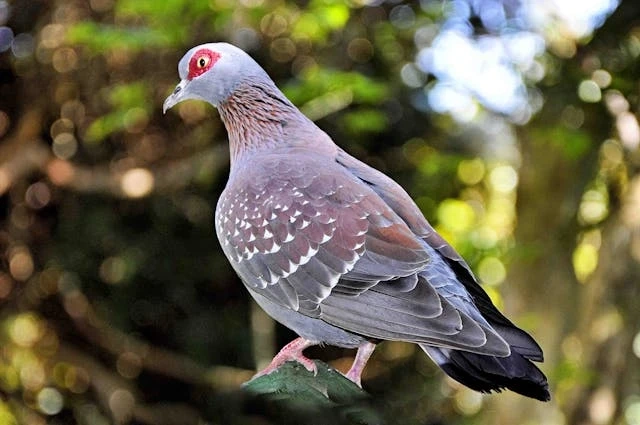
Bird infestations are more than a simple nuisance in the city—they’re a serious concern for property maintenance and hygiene. The demand for bird control Dubai services continues to rise as residents and businesses face the damaging and unhealthy consequences of bird droppings. While pigeons and other urban birds may seem harmless, their waste poses hidden risks that affect buildings, air quality, and even human health. Understanding these dangers can help property owners take timely preventive measures.
Why Bird Droppings Are a Major Problem in Dubai
1. Dubai’s Climate Favors Bird Activity
Dubai’s warm and sunny climate attracts large populations of pigeons and other birds throughout the year. Open rooftops, ledges, and air-conditioning units offer perfect resting and nesting spots. As these areas accumulate droppings over time, the buildup becomes both unsightly and dangerous.
2. Urban Environments Provide Shelter and Food
The abundance of food waste in public and residential areas keeps birds close to human settlements. Even small amounts of leftover food or open trash bins can encourage them to stay and return regularly, worsening the problem.
Health Risks Linked to Bird Droppings
1. Disease Transmission
Bird droppings often contain harmful microorganisms that can cause diseases when they dry out and become airborne. Inhaling these particles may lead to respiratory illnesses such as histoplasmosis and cryptococcosis. These infections can be especially harmful to children, the elderly, and individuals with compromised immune systems.
2. Allergic Reactions and Skin Irritation
Prolonged exposure to droppings or nesting materials can trigger allergic reactions, causing itching, sneezing, or watery eyes. For maintenance staff or cleaners working around infested areas, protective gear is essential to avoid direct contact.
3. Contamination of Water and Air Systems
In buildings with rooftop water tanks or ventilation systems, bird droppings can easily contaminate the air or water supply. This not only poses hygiene issues but can also contribute to unpleasant odors and bacterial spread indoors.
Structural Damage Caused by Bird Droppings
1. Corrosion of Building Materials
Bird droppings are highly acidic. Over time, this acid eats away at paint, concrete, and metal surfaces, leading to costly repairs. For buildings with glass facades or decorative features, regular cleaning is essential to prevent permanent staining.
2. Clogged Drains and Gutters
When droppings mix with nesting materials like feathers and twigs, they can clog drainage systems. This blockage causes water pooling on rooftops, which may result in leaks or weakened structures.
3. Damage to Outdoor Equipment
Air conditioners, solar panels, and lighting systems are particularly vulnerable. Bird droppings and nesting debris can block airflow, reduce energy efficiency, and even cause short circuits in electrical systems.
Aesthetic and Property Value Impact
1. Reduced Curb Appeal
Droppings on balconies, signage, and rooftops make properties look neglected and unhygienic. This affects not only residential homes but also commercial buildings that rely on a clean image to attract customers.
2. Long-Term Devaluation
Untreated infestations can lead to extensive structural damage, making maintenance costs soar and reducing overall property value. Potential tenants or buyers may avoid such buildings due to perceived hygiene concerns.
How to Prevent Bird Dropping Problems
1. Regular Cleaning and Maintenance
Routine cleaning of ledges, rooftops, and balconies helps reduce accumulation. However, cleaning alone is not a long-term solution—it should be paired with preventive deterrents.
2. Install Bird Deterrent Systems
Humane deterrents such as bird spikes, nets, and wires prevent birds from perching or nesting on ledges and beams. Professional bird control Dubai specialists use these tools to ensure they are effective without harming the birds.
3. Manage Food Waste Properly
Securing garbage bins and reducing open waste around buildings limit the food sources that attract birds. Restaurants, cafes, and residential complexes benefit greatly from proper waste management.
4. Seal Entry and Nesting Points
Regularly inspect rooftops, vents, and storage areas for potential nesting spots. Sealing gaps and covering openings can prevent birds from returning.
Why Professional Bird Control Is Essential
1. Safe and Effective Solutions
Professionals use advanced tools and techniques to remove existing droppings, sanitize affected areas, and install preventive systems safely. DIY methods may not reach high or hidden areas where nests and droppings accumulate.
2. Compliance with Local Regulations
In Dubai, certain bird species are protected, making it important to follow approved and ethical control methods. Professional services ensure compliance while effectively managing infestations.
3. Long-Term Prevention
With expert inspection and regular maintenance, property owners can enjoy lasting results and peace of mind. Preventive bird management saves money in the long run by avoiding health issues and repair costs.
Conclusion
Bird droppings may seem like a minor annoyance, but their effects on health, property, and the environment are serious. From spreading diseases to corroding surfaces and reducing property value, the risks are too great to ignore. Proactive prevention through cleaning, waste control, and professional bird deterrent installation is essential for a cleaner, safer environment. Property owners who act early can protect their investments and contribute to a healthier urban landscape in Dubai.