Fiberglass insulation remains a primary tool for meeting the increasingly strict requirements of modern energy codes across both residential and commercial sectors. It provides a cost-effective and reliable method for achieving the specific R-values mandated by the International Energy Conservation Code (IECC) without requiring significant structural changes. By creating a consistent thermal barrier, this material helps builders and property owners reduce energy consumption while maintaining a safe, non-combustible building envelope.
The continued use of fiberglass in modern construction is due to its adaptability and the development of high-density products that provide more thermal resistance in standard wall cavities. Experts with seventeen years of field experience recognize that as energy codes evolve to require higher performance, fiberglass manufacturing has kept pace by offering finer fibers and improved binders. This guide explains how this material supports current efficiency standards and remains a staple for property owners seeking long-term value.
Evolution of Energy Standards and Material Response
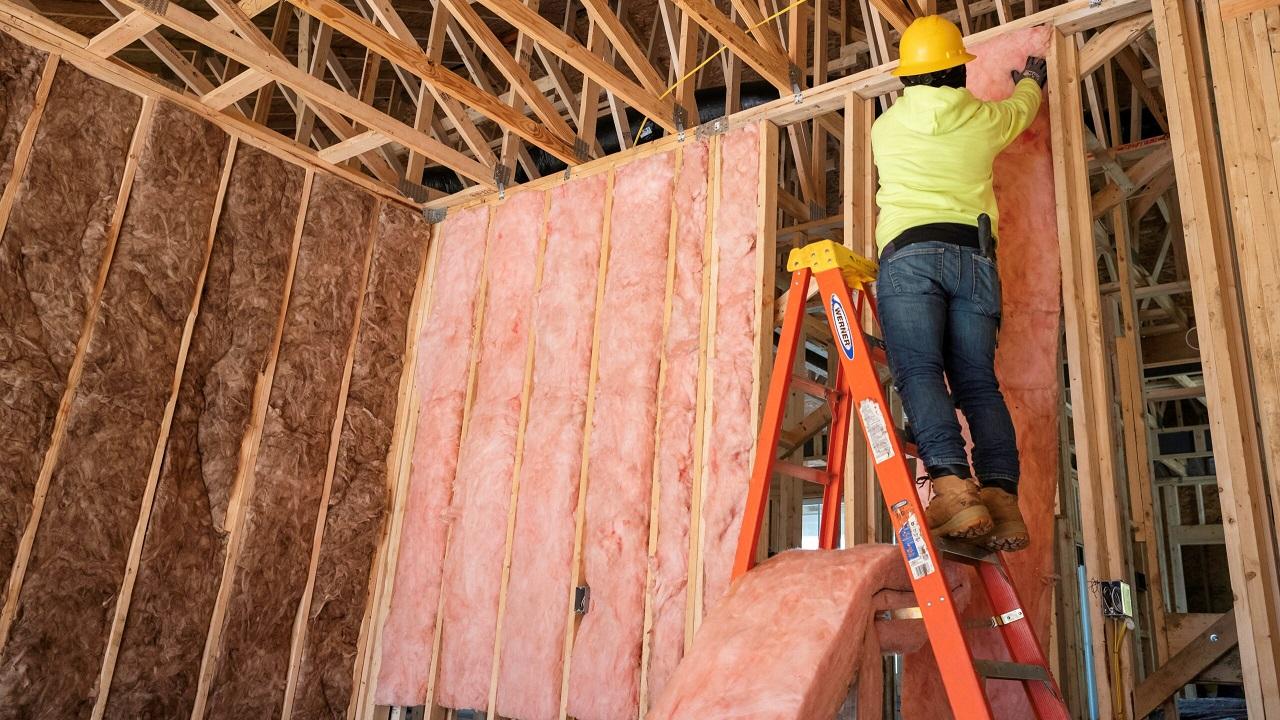
Energy codes have transformed from simple guidelines into rigorous standards that dictate every aspect of a building's thermal performance. Fiberglass supports these changes by offering a range of applications, from pre-cut batts to loose-fill systems that can be blown into attics or wall cavities. This versatility allows builders to reach the high R-value targets set for different climate zones without exceeding construction budgets or timelines.
Modern standards now emphasize reducing air infiltration alongside thermal resistance. While fiberglass itself is not an air barrier, it works in tandem with modern house wraps and air-sealing techniques to create a high-performance system. Technicians who understand the technical side of the trade use specialized installation methods to ensure the material stays in place and maintains its full R-value for the life of the building.
High-Density Options for Limited Space
Codes require higher R-values in areas like cathedral ceilings and narrow walls, but standard insulation sometimes falls short. High-density fiberglass batts solve this problem by providing more glass fibers per square inch, effectively increasing thermal resistance without increasing the product's thickness. This innovation allows designers to meet code requirements while keeping the building's structural profile slim and efficient.
Impact on Residential and Commercial HVAC Loads
Meeting modern energy codes is not just about passing an inspection; it is about reducing the lifelong demand on mechanical systems. Better insulation reduces HVAC requirements, lowering the initial equipment cost and ongoing operational expenses for the property owner. Research shows that homes insulated to current standards can see reductions in cooling and heating costs of up to 40% compared to older structures.
Bonus Tip for Attic UpgradesWhen adding fiberglass to an existing attic to meet current code requirements, technicians should ensure the material does not block the soffit vents. Proper airflow is necessary to prevent moisture buildup and heat gain. Hence, using baffles is a smart way to keep the insulation in place while allowing the attic to breathe correctly.
Material Safety and Compliance Factors
Modern energy codes also prioritize the safety and health of the indoor environment, where fiberglass offers several inherent advantages. Because it is composed of recycled glass and sand, the material is naturally non-combustible and does not require the addition of chemical fire retardants. This makes it a reliable choice for meeting the strict fire safety codes found in multi-family housing and commercial office buildings.
- Fiberglass batts are manufactured to be formaldehyde-free, which supports the indoor air quality standards required by many modern green building certifications.
- The material is naturally moisture-resistant, helping prevent mold and mildew growth in humid environments like Northwest Florida.
- Recycled content in fiberglass products often exceeds fifty percent, allowing builders to earn points toward environmental certifications like LEED or Energy Star.
- Unlike some organic insulation materials, fiberglass does not provide a food source for pests or rodents, ensuring the building envelope remains clean and intact.
Installation Standards and Thermal Performance
- Proper installation is required to meet code, as even small gaps or compressions can significantly reduce the fiberglass's effective R-value.
- High-quality fiberglass products are designed to resist settling over time, ensuring the building continues to meet energy standards for decades without maintenance.
- Installers must ensure that the insulation is in contact with the air barrier on all six sides to prevent thermal bypass, which is a common check during code inspections.
- Friction-fit technology keeps batts securely in place between studs, eliminating the need for mechanical fasteners that can create thermal bridges.

Comparing Fiberglass Performance by Application
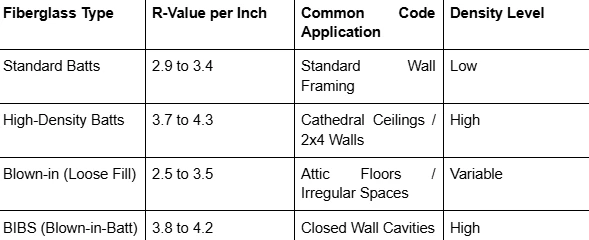
The following table compares different fiberglass insulation types by R-value and common uses. This data helps property owners and builders select the right material to meet specific local energy code requirements.
Things to Consider Before Making a Decision
Before choosing an insulation plan, it is important to review the specific energy code requirements for the local climate zone. Property owners should also consider the total cost of ownership, including the initial installation price and the expected energy savings over time. It is helpful to work with a provider who can offer a complete assessment of the building's thermal needs, including air sealing and moisture control, to ensure the fiberglass performs at its peak.
Technical Density and Code ComplianceBuilding inspectors often check the density of blown-in insulation to ensure it matches the manufacturer's coverage chart. If the material is installed too loosely, it will not meet the required R-value per code. Professional installers use calibrated equipment to maintain the correct material-to-air ratio during application.
Bonus Tip for Sound ControlIf a project requires both thermal resistance and sound dampening, high-density fiberglass is an excellent choice. Installing these batts in interior walls can significantly reduce noise transmission between rooms, adding an extra layer of comfort to the home while still meeting efficiency goals.
Questions People Ask About Energy Codes
What R-value does my attic need to meet current codes?
In many southern regions, current codes recommend an R-value between R-38 and R-49 for attics. Fiberglass can easily reach these levels through either blown-in applications or by layering batts to the appropriate thickness.
Does fiberglass insulation settle over time?
While all loose-fill materials may have minor settling, high-quality fiberglass is designed to maintain its loft. When installed at the correct density by a professional, the risk of significant settlement that would affect code compliance is very low.
Is fiberglass safe for people with allergies?
Modern fiberglass is manufactured to be low-emitting and formaldehyde-free. By sealing the insulation behind drywall and using proper air-sealing techniques, homeowners can maintain excellent indoor air quality.
Can I mix fiberglass with other types of insulation?
Yes, it is common to use a "flash and batt" method where a layer of spray foam is used for air sealing, followed by fiberglass batts to reach the target R-value. This hybrid approach is a popular way to meet strict energy codes while remaining efficient.
How do I know if my home meets current energy codes?
A professional energy audit can assess a home's current insulation levels. If the house was built more than ten years ago, it likely falls short of modern standards, and adding fiberglass is one of the most cost-effective ways to bring it up to code.
Summary of Efficiency Standards
Meeting modern energy codes is a technical requirement that ensures buildings are comfortable, safe, and efficient. Fiberglass insulation remains a top choice for this task due to its proven performance and affordability. By understanding how to use different densities and application methods, property owners can protect their investment and enjoy lower utility costs. It is always wise to evaluate a structure's specific needs and consult an expert who understands the local requirements and material standards.
Reliable Insulation and Energy Code Support
When property owners want to ensure their buildings are efficient and code-compliant, seeking professional guidance is a smart first step. A specialist can provide detailed information on R-values and the best insulation products for a specific climate. Prestige Insulation Solutions offers expert services and high-quality applications for residential and commercial projects. They can be reached at (850) 429-4969 or via email at [email protected] to help identify the right solutions to meet modern energy standards and improve building performance.
Author: Rene Zamarripa is a spray foam installer and owner with 17 years of hands-on experience in the insulation industry, specializing in R-values and high-quality residential and commercial solutions.
Reviewer: With over 13 years in spray foam insulation, Benjamin Lee reviewed this content and offered feedback aimed at helping growing businesses connect effectively with local property owners.