



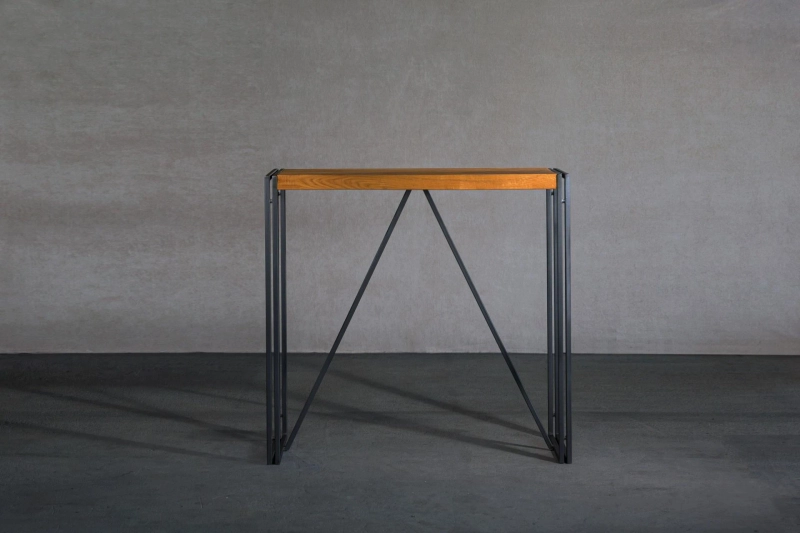
The way we work has changed significantly in the fast-paced, technologically advanced world of today. More adaptable and health-conscious options are taking the place of the conventional 9–5 office model, in which workers spend hours in front of computers. One of the most innovative pieces of ergonomic furniture that supports both standing and sitting throughout the workday is the sit-stand desk.
Everything you need to know about sit-stand desks is covered in this article, including how to pick the best one for your workspace and their advantages for productivity and health.
A Sit Standing Desk: What Is It?
The purpose of a sit-stand desk, sometimes referred to as a height-adjustable desk, is to enable users to switch between standing and sitting while working. These workstations can be manually or electronically raised or lowered to the desired height, unlike fixed desks.
Digital controls, memory presets, and smooth electric motors are common features of contemporary sit-stand desks that make position changes simple. Cable management systems, anti-collision sensors, and programmable reminders to regularly adjust posture are even included in some models.
The Reasons Behind the Growing Adoption of Sit-Standing Desks
The popularity of sit-stand desks is based on science and wellbeing, not just design. Long-term sitting has been linked to a number of health problems, including poor posture, back pain, and even metabolic problems, according to ergonomic researchers and health experts.
Many employees are spending more than eight hours a day at their desks due to the rise in remote work and digital occupations. A useful tool that lessens the negative physical effects of sedentary behaviour is the sit-stand desk. It fits in well with the current movement for more dynamic, healthier workplaces.
The Health Advantages of Standing at a Desk
Lowers the Chance of Chronic Illnesses
Long periods of sitting have been associated in studies with a higher risk of obesity, type 2 diabetes, and cardiovascular disease. Alternating between standing and sitting can enhance circulation and help control blood sugar levels.
Improves Posture and Reduces Back Pain
Many office workers struggle with poor posture and lower back pain. A sit standing desk encourages you to engage your core muscles and maintain an upright position. When properly adjusted, it aligns your monitor and keyboard to eye and elbow levels, reducing strain on your spine and neck.
Boosts Energy and Focus
Standing increases blood flow and oxygen to the brain, which helps maintain alertness and cognitive function. Employees who use sit standing desks often report feeling more energized and less fatigued during the day.
Encourages Movement
The ability to switch between sitting and standing promotes regular movement, reducing stiffness and improving flexibility. Over time, this can have long-term benefits for joint health and overall mobility.
Benefits of Productivity and Performance
A sit-stand desk improves work performance and productivity in addition to physical health. Employees are more likely to remain attentive and productive when they feel at ease and motivated.
1. Enhanced Engagement: Standing can help avoid mental exhaustion and break up the routine of long workdays.
2. Better Collaboration: In contemporary workplaces that prioritize cooperation and prompt communication, sit-stand desks are a good fit. More fluid interaction during brainstorming and discussion sessions is made possible by adjustable desks.
3. Improved Time Management: Many users discover that switching up their postures makes it easier to plan their days. They can use standing time for calls, meetings, or creative projects, and sitting time for work requiring deep concentration.
Selecting an Appropriate Standing Desk
There are a number of things to take into account when choosing the ideal sit-stand desk for your office:
1) Adjustment Mechanism Type:
a) Desks with manual cranks are inexpensive, but they take work to adjust in height.
b) Electric desks: Provide seamless transitions at the touch of a button.
c) Converter Units: Added to pre-existing desks to provide height adjustment.
2) Weight Capacity and Height Range
Make sure the desk can hold the weight of your devices, such as laptops, monitors, and accessories, as well as your height when standing and sitting.
3) Size and Surface of the Desk
Select a surface area that works well for your workflow. While some people choose large, L-shaped desks for multitasking setups, others prefer smaller designs for home offices.
4) Accessories With Ergonomics
Accessories such as keyboard trays, cable organisers, anti-fatigue mats, and monitor arms can improve comfort and usability.
5) Construct Stability and Quality
Even at its highest setting, a good sit-stand desk should be stable and unwavering. Choose models with sturdy materials and steel frames.
Advice for Making the Most of a Sit-Standing Desk
a) Making the switch to a sit-stand desk may require some time. Here's how to maximise it:
b) Change Position Frequently: Instead of standing all day, switch positions every 30 to 60 minutes.
c) Monitor Height Adjustment: Maintain your monitor's top at eye level or just below.
d) Use a Footrest or Mat: Standing can be more comfortable with a cushioned anti-fatigue mat.
e) Pay Attention to Your Posture: Steer clear of locking your knees or sagging. Keep your posture balanced.
f) Pay Attention to Your Body: Take a quick stroll or change positions if you're feeling exhausted.
g) You can avoid discomfort and get the most out of your sit-stand desk by adopting these habits.
Standing desks for sitting in home offices
Home offices are now more crucial than ever due to the growth of remote work. An ergonomic and efficient workstation can be created in a tiny corner with a sit-stand desk.
Many contemporary designs blend in perfectly with interior decor because they are small, fashionable, and simple to assemble. Standing while working can also aid in mentally separating work from play, which is crucial for maintaining a healthy work-life balance when working from home.
Why Sit-Standing Desks Are Here to Stay in the Future of Work
Ergonomic solutions, such as sit-stand desks, will continue to be essential to workplace design as businesses place a higher priority on worker performance and well-being. They fit in well with the larger trend towards flexible, hybrid, and health-conscious workplaces.
Businesses that use these desks frequently observe increased productivity, lower absenteeism, and higher morale. Purchasing one for a person is an investment in their long-term comfort and well-being.
More than just a contemporary office fad, the sit-stand desk is a step towards more productive, dynamic, and healthy work habits. You can increase your energy levels, maintain focus throughout the day, and improve your posture by switching between sitting and standing.
Selecting the ideal sit-stand desk can have a big impact on your performance and well-being, whether you're upgrading your corporate workspace or setting up a home office. This creative piece of furniture is a real game-changer in a world where flexibility and health are valued more and more.