



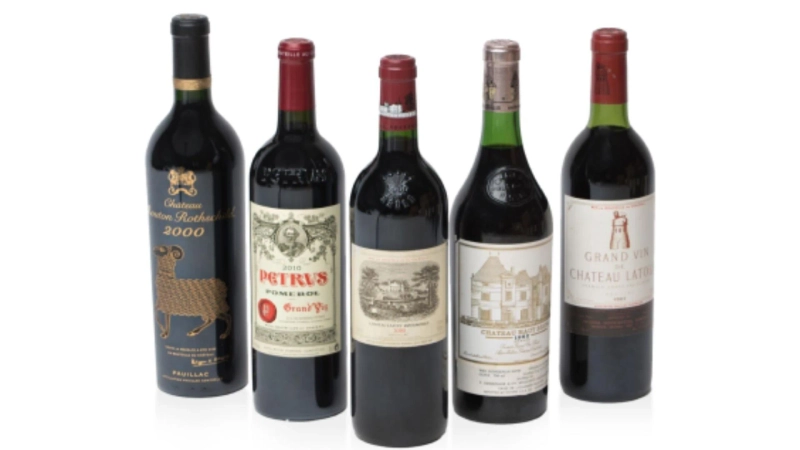
"Wine is the only artwork you can drink."
Fine wine isn’t just for drinking, it’s an investment. Over time, rare and collectible bottles can increase in value, making them valuable assets. But selling wine requires knowledge, strategy, and careful planning. Without the right approach, you might not get the price your collection deserves. This guide will help you sell your wine collection for the highest return, ensuring you make informed decisions at every step.
Understanding the True Value of Your Wine Collection
Before selling, you need to know what your collection is worth. The value of wine depends on several factors, including:
- Age and Vintage – Older, well-aged wines often carry higher prices, but not all vintages appreciate the same way.
- Storage Conditions – Bottles kept in controlled environments hold their value better than those stored improperly.
- Brand and Producer – Wines from prestigious vineyards, like Château Margaux or Domaine de la Romanée-Conti, fetch premium prices.
- Market Demand – Popular wines are easier to sell and command higher bids.
- Bottle Condition – Labels, corks, and overall packaging impact resale value. Buyers prefer bottles in pristine condition.
Once you understand these factors, you can set realistic expectations for pricing and potential buyers.
Where to Sell: Choosing the Right Marketplace
The right sales channel can impact how much you earn. Here are some options:
1. Auction Houses
High-end auction houses like Sotheby’s and Christie’s specialize in fine wines. They attract serious collectors and investors, making them ideal for rare bottles. However, auction fees can be high, and sales may take time.
2. Wine Retailers & Brokers
Professional wine brokers have access to private buyers. They handle everything from valuation to shipping, making the process easy. Wine retailers also purchase collections directly, but prices may be lower since they resell for profit.
3. Private Collectors
Selling directly to collectors often leads to better prices. You avoid middlemen fees and negotiate terms yourself. However, finding buyers requires effort, and transactions should be carefully documented.
4. Online Marketplaces
Many platforms allow wine collectors to sell bottles legally. Some cater to high-end buyers, while others attract everyday enthusiasts. Choosing the right place to sell wine online is crucial for reaching the right audience.
How to Prepare Your Wine for Sale
To get top dollar, presentation matters. Proper preparation can significantly increase the value of your bottles.
- Inspect Each Bottle – Check for label damage, sediment, or cork leakage. Buyers expect quality.
- Document Provenance – Keep purchase receipts, storage records, and any certification that verifies authenticity.
- Take High-Quality Photos – Clear, well-lit images from multiple angles help attract serious buyers.
- Provide Detailed Descriptions – Include the name, vintage, region, producer, and any tasting notes. Buyers want full transparency.
Pricing Strategies: Setting the Right Value
Pricing too high scares buyers away. Pricing too low means losing profit. Here’s how to find the right balance:
- Research Market Prices – Check recent sales of similar bottles on auctions and online platforms.
- Consult Experts – Wine appraisers and brokers can provide professional valuations.
- Factor in Fees & Taxes – If selling through a broker or auction, remember to account for commission fees.
Avoiding Common Mistakes When Selling Wine
Mistakes can reduce your earnings. Avoid these pitfalls:
- Selling Without Research – Without understanding your collection’s worth, you might accept low offers.
- Ignoring Legal Restrictions – Wine sales are regulated in many regions. Always check local laws before selling.
- Improper Storage Before Sale – Buyers may request storage proof. Keep wines in optimal conditions until they are sold.
- Choosing the Wrong Selling Platform – Not all marketplaces attract high-end buyers. Pick the one that suits your collection best.
Final Steps: Closing the Sale and Shipping Safely
Once you have a buyer, secure the transaction properly.
- Use a Secure Payment Method – Avoid cash deals. Stick to trusted escrow services or verified payment platforms.
- Package Carefully – Use protective materials and climate-controlled shipping to prevent damage.
- Provide Tracking Information – Buyers appreciate updates and a smooth transaction process.
A successful sale isn’t just about price—it’s about ensuring a seamless, professional experience.
In Closing: The Best Way to Sell Your Wine Collection
Selling wine can be rewarding if you take the right steps. Understanding its value, choosing the right platform, and handling transactions properly will help you get the highest return. If you're looking for convenience, consider where to sell wine online, as many platforms specialize in connecting sellers with serious buyers. With the right approach, your collection can find the perfect new home, at the best possible price.