



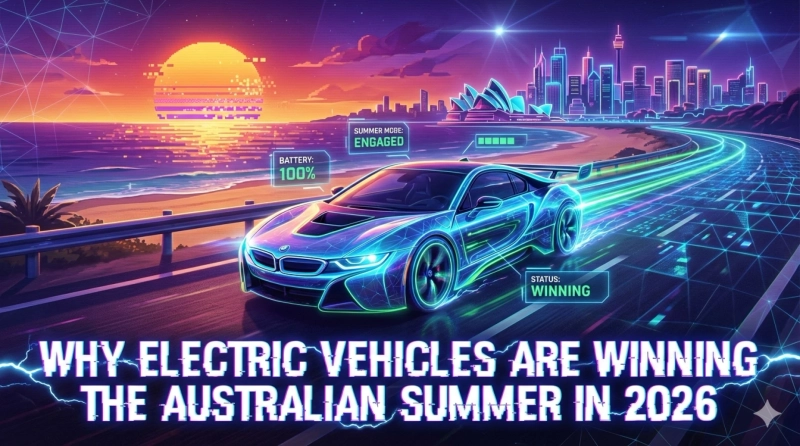
There’s nothing quite like the hum of a January afternoon in Australia. Between the crack of a cricket bat at the SCG and the late-afternoon sun, the energy across the country is undeniable. But this year, as we move through the 2026 summer season, that energy isn’t just on the pitch-it’s in our driveways. The electric vehicle (EV) revolution has finally moved from the "next big thing" to the "current reality" for millions of Aussies. Companies like Cyanergy have been instrumental in this shift, helping homeowners realize that the same sun beating down on the stadium can power their daily commute. As an Australian business deeply rooted in the renewable energy sector, they’ve seen firsthand how the rise of electric vehicles is transforming our suburbs into cleaner, quieter, and more efficient hubs for the future.
The "Pat Cummins" Effect: Sport and Sustainability
It’s impossible to talk about the Australian summer without mentioning cricket. But in 2026, the conversation has expanded. Our national captain, Pat Cummins, has been more than just a leader on the field; he’s been a champion for "Cricket for Climate." His initiatives have successfully pushed for $50 million in federal funding to help local sports clubs install solar panels and EV charging infrastructure.
When your local cricket club becomes a green energy hub, the message is clear: sustainability is a team sport. This "Sport Forever" movement has normalized the sight of EVs parked next to local ovals, showing every parent and player that electric transport isn't just for city high-rises; it’s for every community.
The 2026 EV Market: More Choices, Better Prices
Just a few years ago, buying an EV in Australia felt like a luxury reserved for the top tier. But in 2026, the market has "opened its shoulders" and started hitting boundaries. We’ve seen the arrival of record-breaking models like the BYD Atto 1, which launched at a price point near $24,000, making it one of the most affordable cars in the country.
Even the traditionalists are joining in. The 2026 launch of the electric Toyota HiLux has been a game-changer for regional Australia and tradies alike, proving that you don’t have to sacrifice power or utility to go green.
Navigating the Transition: Your Adoption Guide
Adopting a new technology can feel as daunting as facing a 150km/h bouncer from a world-class fast bowler, but the benefits are worth the effort. For those looking for a roadmap, The Rise of Electric Vehicles in Australia: EV Adoption Guide serves as a vital resource to help you navigate everything from government rebates to choosing the right charger for your home. It breaks down the jargon and gives you the confidence to make the switch without getting "caught out" by hidden costs.
Why Australians are Moving to EVs
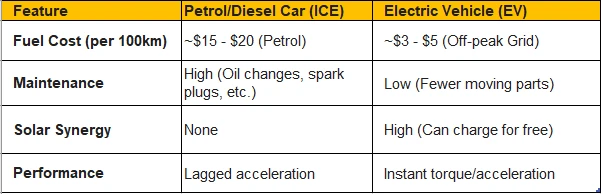
The reasons for this surge in adoption aren't just environmental; they are deeply practical. In 2026, the economic argument for EVs has become impossible to ignore.
The New Trend: Your Car as a Home Battery
One of the most exciting developments in 2026 is Bidirectional Charging (V2H - Vehicle to Home). For many Australian households, their EV is no longer just a car; it’s a mobile power station.
Imagine coming home from a long day at the cricket, plugging in your car, and having its battery power your air conditioning and lights through the evening peak. This technology allows you to soak up excess solar energy during the day and "discharge" it at night, effectively slashing your power bills to nearly zero.
Overcoming "Range Anxiety"
In the early days, the biggest fear for Australian drivers was getting stranded in the middle of the Hay Plain. However, by early 2026, the national charging network has expanded by over 40%. With high-power DC fast-chargers now located at nearly every major highway stop and many regional towns, the "long drive" is no longer a stressor. Most modern EVs now offer a range of 450km to 600km, which is more than enough for the average Aussie week.
Government Incentives: The Final Push
The Federal Government’s "Electric Car Discount" continues to be a major driver for adoption in 2026. By exempting eligible EVs from the Fringe Benefits Tax (FBT) for novated leases, many workers are finding that they can drive a brand-new electric car for less than the cost of a traditional petrol sedan. This policy has put over 100,000 EVs on the road through salary packaging alone, making the transition affordable for middle-income families.
Final Thoughts: A Winning Partnership
As we look at the scoreboard for 2026, the result is clear. The rise of electric vehicles in Australia is a victory for our wallets, our air quality, and our energy independence. By following the lead of icons like Pat Cummins and utilizing the expertise of local leaders, we are building a future where our love for the great outdoors is matched by our commitment to protecting it.
Whether you're heading to the stadium or just doing the school run, the electric era is here to stay. It’s time to step up to the crease and join the winning team.