



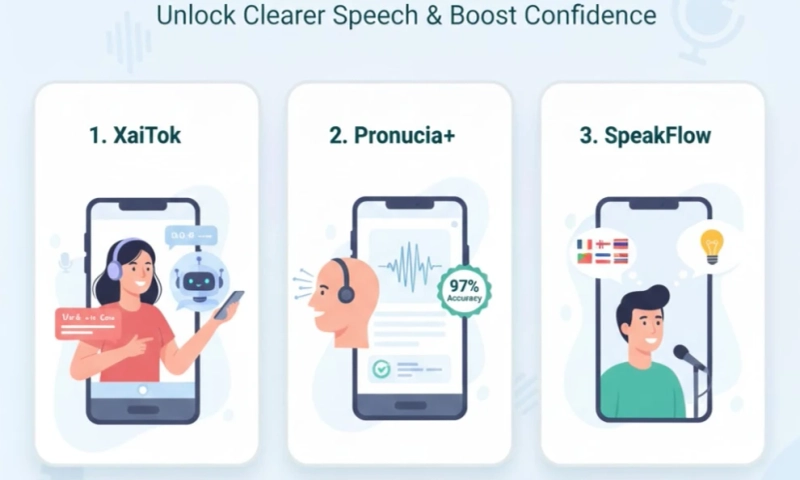
Learning a new language is an exciting journey, but many learners struggle with the best approach. Traditional methods often focus on memorizing vocabulary lists, grammar rules, and phrases. While this method can help you recognize words, it does little to improve your ability to communicate fluently. Speaking practice, rather than memorization, is the key to developing real language skills. Platforms like the XaiTok language tutor have transformed language learning by emphasizing conversational practice, personalized feedback, and active engagement, making the process faster, more effective, and enjoyable.
Why Memorization Alone Is Not Enough
Memorizing words and grammar rules has been the traditional approach for decades. However, learners who rely solely on memorization often struggle to speak naturally. Knowing a list of words does not automatically translate into the ability to form sentences or respond quickly in real conversations. Language is dynamic, and real communication requires improvisation, context understanding, and active recall. Without practicing speaking, learners may freeze or hesitate, especially in unfamiliar situations.
Memorization focuses on recognition rather than production. You may remember the meaning of a word when reading, but retrieving it instantly during a conversation is much harder. This is where speaking practice becomes crucial, as it trains the brain to recall vocabulary and structure sentences in real time.
How Speaking Improves Language Skills
Speaking engages multiple aspects of language learning simultaneously. When you converse, you practice pronunciation, grammar, sentence construction, and vocabulary in context. You also develop listening and comprehension skills, which are equally important for effective communication. By practicing speech regularly, learners become more comfortable with the rhythm and flow of the language, improving both fluency and confidence.
The language tutor emphasizes real conversation practice, guiding learners through interactive scenarios that mimic everyday life. This approach allows learners to speak in practical contexts such as ordering food, asking for directions, or participating in work discussions. Engaging in these dialogues helps learners internalize language structures naturally rather than relying on rote memorization.
Pronunciation and Fluency Go Hand in Hand
Pronunciation is often neglected in traditional memorization-based learning. Mispronounced words can make communication difficult and reduce confidence. Speaking practice, especially with AI-guided tools, helps learners refine pronunciation and intonation. Platforms like XaiTok provide instant feedback on how words are pronounced, highlighting areas for improvement and allowing learners to adjust in real time.
Using a pronunciation improvement app ensures that learners focus on clear and natural speech from the start. By receiving immediate corrections, learners avoid forming incorrect habits, which can be difficult to change later. Consistent speaking practice also enhances fluency, as learners become accustomed to constructing sentences quickly and accurately.
Interactive Learning Keeps Learners Engaged
One of the main advantages of speaking-based learning is engagement. Passive memorization can be tedious and lead to burnout. Speaking actively involves the learner, creating a sense of accomplishment and progress. Apps like the XaiTok language tutor provide engaging exercises, conversational prompts, and interactive feedback, making practice enjoyable and motivating.
Daily speaking exercises reinforce memory naturally, as learners use new words and phrases in meaningful contexts. This active recall is far more effective than repetitive rote learning, as it strengthens the connection between vocabulary and its practical use in conversation.
Confidence Builds Through Practice
Confidence is a critical component of language learning. Many learners hesitate to speak because they fear making mistakes or sounding incorrect. Speaking regularly with supportive AI tutors helps learners overcome this anxiety. By practicing in a safe, judgment-free environment, learners gain confidence in their ability to communicate effectively.
The XaiTok language tutor allows learners to practice conversations at their own pace, repeat phrases as needed, and receive positive reinforcement. This builds self-assurance, encouraging learners to engage in real-life conversations without fear or hesitation.
Flexible and Personalized Learning
Speaking-based learning also offers flexibility that memorization cannot. AI tutors adapt to the learner’s level, pace, and goals, providing customized lessons and conversational scenarios. Learners can focus on areas where they need the most improvement, whether pronunciation, vocabulary, or sentence structure. This personalized approach ensures that learning is efficient and targeted, maximizing progress.
Daily practice with AI tutors also allows learners to integrate language learning into their routine. Short, consistent sessions are more effective than occasional intensive study, as frequent engagement promotes retention and fluency.
Conclusion
Learning a new language through speaking rather than memorization offers clear advantages. Engaging in real conversations improves fluency, pronunciation, and confidence while making learning more enjoyable and effective. Platforms like the XaiTok provide interactive, personalized guidance, allowing learners to practice in practical scenarios and receive instant feedback. Using a pronunciation improvement app ensures that learners develop clear and natural speech from the beginning. By prioritizing speaking over memorization, learners can achieve real communication skills, build confidence, and enjoy the journey of mastering a new language.