



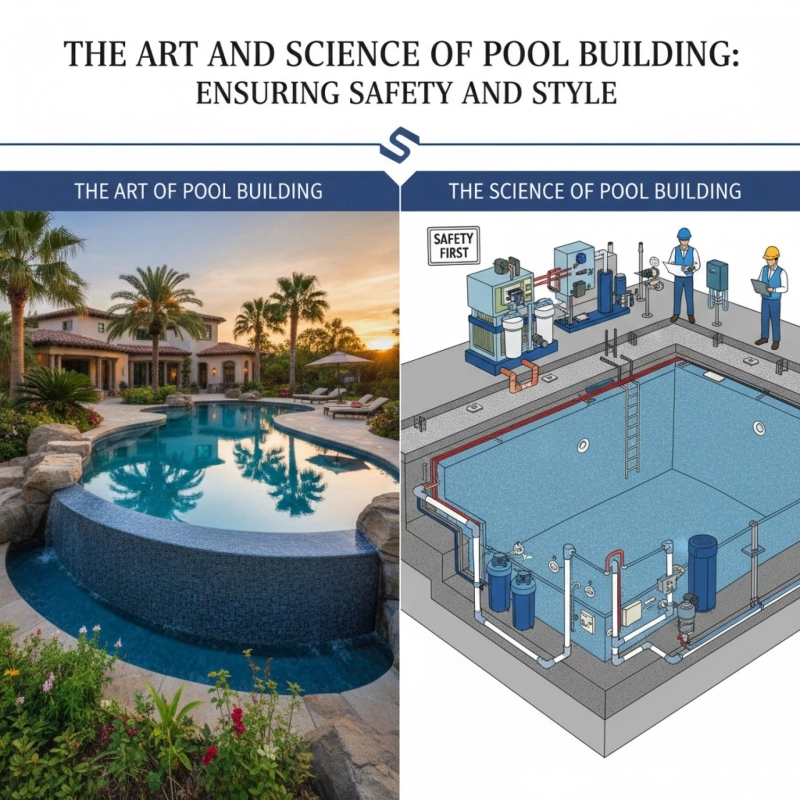
A swimming pool is more than a backyard luxury — it’s a statement of design, engineering, and lifestyle. The best pools balance aesthetic beauty with structural precision, creating spaces that are as safe as they are stunning. But achieving that balance requires more than just creativity — it demands a deep understanding of the art and science of pool building.
In this comprehensive guide, we’ll dive into how you can combine safety, style, and smart engineering to create a pool that looks incredible, functions flawlessly, and stands the test of time.
1. The Perfect Blend of Art and Science
Pool building is where engineering meets artistry. While the artistic side focuses on design, texture, and ambiance, the scientific side ensures safety, strength, and efficiency.
A truly exceptional pool results when these two forces work together. Every tile, curve, and jet is supported by precise calculations, materials science, and fluid dynamics — all while reflecting the homeowner’s unique taste and lifestyle.
Think of your pool as a living sculpture — one that merges visual appeal with the reliability of engineering excellence.
2. Start with a Vision Grounded in Safety
The design phase is where imagination meets responsibility. Before diving into materials and aesthetics, it’s vital to design your pool around safety standards.
Consider:
- Proper depth planning: Gradual slopes reduce the risk of accidents.
- Strategic entry points: Steps, ladders, and tanning ledges should allow safe access for all ages.
- Slip-resistant surfaces: Choose materials with texture to prevent falls.
- Adequate lighting: Illuminate stairs, edges, and pathways for night safety.
Safety isn’t a constraint on beauty — it’s the foundation that allows style to shine responsibly.
3. Choosing the Right Location
The science of pool placement can make or break your design. A poorly positioned pool can lead to drainage issues, excess debris, or uneven heating.
When selecting your pool’s location, consider:
- Sun exposure: Aim for maximum sunlight to naturally warm the water.
- Wind direction: Minimize evaporation and heat loss by placing the pool in a sheltered area.
- Soil composition: Stable soil ensures long-term structural integrity.
- Proximity to trees: Avoid root damage and falling leaves.
A professional site assessment helps you design a pool that’s safe, efficient, and visually harmonious with your landscape.
4. The Role of Structural Engineering
Pool building isn’t just about digging a hole — it’s about creating a watertight, pressure-resistant system that will endure decades of use. Structural engineering ensures the pool can withstand:
- Ground movement and hydrostatic pressure
- Temperature fluctuations and freeze-thaw cycles
- The constant stress of thousands of gallons of water
Concrete (gunite or shotcrete) pools are especially dependent on proper reinforcement and curing times. A rushed or poorly reinforced shell can lead to cracks and leaks down the line — a costly and dangerous issue.
Always work with licensed professionals who understand the engineering science behind pool construction.
5. Design That Marries Beauty with Function
The art of pool building lies in creating a design that captivates the eye while enhancing usability.
Key design considerations include:
- Pool shape and proportion: Match your home’s architecture and yard size.
- Water features: Add elegance with waterfalls, fountains, or spillover spas.
- Color and finish: Light tones create a tropical vibe; darker ones give a sleek, modern look.
- Decking and landscaping: Use materials that complement the pool while ensuring slip resistance and durability.
Every design element should serve both a visual and practical purpose — that’s where true artistry emerges.
6. Material Selection: Where Longevity Meets Luxury
Material choice determines both the style and lifespan of your pool. Choose materials that offer visual appeal without compromising durability or safety.
Popular Material Options:
- Pebble and aggregate finishes: Textured, slip-resistant, and long-lasting.
- Porcelain or glass tiles: Elegant and reflective, perfect for modern designs.
- Natural stone decking: Adds luxury while maintaining traction.
- Composite or fiberglass shells: Smooth surfaces that minimize algae growth.
Invest in UV-resistant and chemical-stable materials to prevent fading or erosion. The right materials create a pool that’s as enduring as it is eye-catching.
7. Smart Technology for Safety and Efficiency
Today’s pool systems are smarter than ever. By integrating modern technology, you can enhance both safety and convenience.
Consider adding:
- Automated chemical monitoring systems to keep water safe and balanced.
- Smart lighting with motion sensors and programmable colors.
- Variable-speed pumps for energy savings and quieter operation.
- Automatic covers to prevent accidents and conserve heat.
Technology transforms your pool into a smart, safe, and sustainable space that requires less manual upkeep.
8. Lighting: The Overlooked Art Form
Lighting brings your pool to life after sunset — it’s both a safety measure and a design statement.
To combine both goals:
- Use underwater LED lights for visibility and drama.
- Illuminate pathways and stairs for safety.
- Choose warm tones for a cozy ambiance or cool hues for modern elegance.
The right lighting design can turn your pool into a nighttime masterpiece, highlighting textures, ripples, and reflections that add magic to every swim.
9. Designing for All Ages and Abilities
Safety also means accessibility. A pool that accommodates all ages and abilities is not only inclusive but also more valuable and future-proof.
Include:
- Gradual beach entries or ramps for easy access.
- Handrails and shallow ledges for kids and seniors.
- Variable depth zones to suit both lounging and swimming.
These thoughtful touches enhance usability and ensure your pool remains enjoyable for everyone — now and in the years to come.
10. Balancing Aesthetics and Maintenance
While it’s tempting to go all out on design, maintenance should always be part of the plan. The best pools are beautiful and easy to maintain.
- Select smooth, non-porous surfaces to prevent algae growth.
- Install efficient filtration systems for cleaner water.
- Opt for simple shapes that promote even circulation.
- Utilize automatic cleaners to minimize manual labor.
A well-designed pool saves time, money, and stress — letting you focus on enjoying it instead of constantly maintaining it.
11. Compliance and Building Codes: The Science of Safety
No matter how creative your design, it must comply with local building codes and safety standards. These regulations cover:
- Fencing and gate requirements
- Electrical and plumbing standards
- Depth and drain safety
- Water flow and circulation efficiency
Partnering with licensed professionals ensures your pool is both legally compliant and structurally sound. This not only keeps your family safe but also protects your home’s value.
12. Landscaping: The Final Artistic Touch
A pool doesn’t stand alone — it’s the centerpiece of your outdoor environment. Surrounding landscaping enhances both safety and beauty.
Consider:
- Non-toxic, low-maintenance plants that won’t shed into the water.
- Proper drainage systems to avoid water pooling near the deck.
- Shade structures like pergolas or umbrellas for comfort and UV protection.
Landscaping completes the visual harmony, turning your pool into a seamless outdoor retreat.
13. The Importance of Professional Collaboration
Pool building is a team effort — and the best results come from collaboration between designers, engineers, and builders.
Each professional brings expertise:
- Architects focus on design and flow.
- Engineers handle structure and safety.
- Contractors ensure quality execution.
Together, they transform your vision into a pool that’s both artistically breathtaking and scientifically sound.
14. Long-Term Care: Sustaining Safety and Style
Even the most perfectly built pool needs regular care. To preserve its beauty and integrity:
- Maintain proper pH and chlorine levels.
- Inspect for cracks or leaks annually.
- Clean filters and drains regularly.
- Reseal or refinish surfaces every few years if needed.
Preventive maintenance ensures your pool remains as stylish and safe as the day it was built.
15. The Future of Pool Design: Sustainable and Smart
Modern pool design is evolving toward sustainability. The future is about eco-friendly luxury — blending technology and design to minimize waste and energy use.
Emerging trends include:
- Solar heating systems for renewable energy.
- Natural pools with plant-based filtration.
- Smart automation for real-time monitoring.
- Recycled and locally sourced materials for construction.
The next generation of pools doesn’t just look good — it’s intelligent, efficient, and environmentally responsible.
Conclusion: Building Beauty That’s Safe by Design
The art and science of pool building come together in perfect harmony when style meets safety and creativity meets craftsmanship. Every design choice — from lighting to filtration — plays a role in how your pool looks, feels, and lasts. With experts like Portland Pool Company, you can bring that balance to life through thoughtful design and precision engineering.
By blending innovation, safety, and timeless aesthetics, you can create a pool that isn’t just a backyard feature, but a work of art built to be enjoyed for generations.
So as you plan your dream pool, remember: beauty may draw the eye, but science ensures it stands strong. When you combine the two, you create a masterpiece worth diving into — in every sense of the word.