



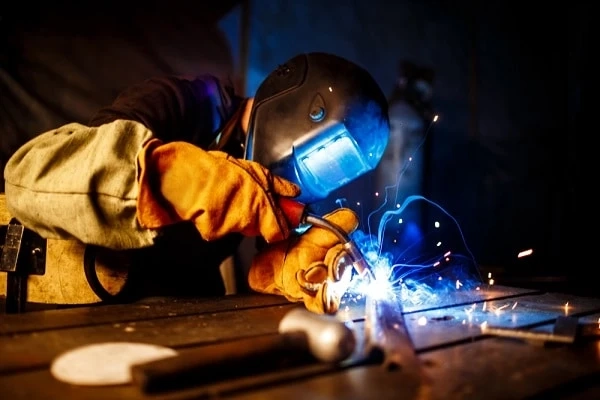
Introduction to Stud Welding Equipment
Stud welding equipment is a specialized tool widely used in construction projects for joining metal studs or fasteners to a base material. This versatile welding method offers numerous advantages over traditional welding techniques, making it an ideal choice for various applications in the construction industry.
Improved Efficiency and Productivity
One of the significant advantages of using stud welding equipment is its ability to improve efficiency and productivity on construction sites. Studs can be welded quickly, allowing for rapid assembly and construction progress. This saves valuable time and enables projects to meet tight deadlines. Additionally, stud welding eliminates the need for additional fastening methods such as drilling, screwing, or bolting, reducing labor and installation time.
Superior Connection Strength and Reliability
Stud welding equipment creates high-strength connections between the studs and the base material. The welded studs offer excellent load-bearing capacity and structural integrity, ensuring the durability and stability of the constructed elements. This is particularly beneficial in critical applications, including steel structures, bridges, industrial facilities, and infrastructure projects where strong connections are essential for safety and performance.
Versatility for Diverse Construction Applications
Stud welding equipment is highly versatile and can be used with various materials, including steel, stainless steel, aluminum, and brass. The process can accommodate different stud sizes and types, allowing for flexibility in design and construction. This versatility makes stud welding applicable in a wide range of construction projects, from small-scale residential buildings to large-scale commercial and industrial complexes.
Time and Cost Savings
By using stud welding equipment, construction projects can achieve significant time and cost savings. The fast welding process reduces installation time, allowing for faster project completion. Moreover, the elimination of additional fastening methods and the reduction in labor requirements lead to cost efficiencies. Stud welding also minimizes material waste, contributing to overall cost savings in construction projects.
Enhanced Safety Measures
Stud welding equipment promotes enhanced safety measures on construction sites. The process minimizes the need for open flame or excessive heat during installation, reducing the risk of fire hazards. Additionally, the secure and reliable connections created by stud welding ensure the structural stability of the building, enhancing overall safety for workers and occupants.
Long-Term Durability and Structural Integrity
Stud welding provides long-term durability and structural integrity to construction projects. The welded connections have excellent resistance to shear forces, vibration, and other external stresses, ensuring the longevity of the structure. This durability reduces the need for frequent repairs and maintenance, resulting in cost savings over the building\'s lifespan.
Conclusion: Harnessing the Benefits of Stud Welding Equipment in Construction Projects
In conclusion, stud welding equipment offers numerous advantages in construction projects. It improves efficiency and productivity, provides superior connection strength and reliability, and offers versatility for diverse construction applications. The use of stud welding equipment leads to time and cost savings, enhances safety measures, and ensures long-term durability and structural integrity. By harnessing the benefits of stud welding equipment, construction professionals can achieve superior results, optimize project timelines, and enhance the overall quality of their construction projects.