



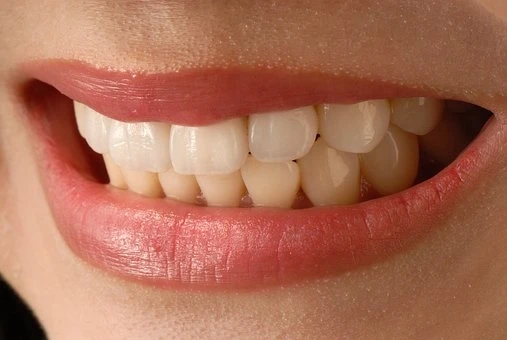
A bright, white smile can boost confidence and leave a lasting impression. However, for those with sensitive teeth, the thought of teeth whitening can be daunting. Sensitivity can make common whitening treatments uncomfortable or even painful, leaving many to wonder if achieving a radiant smile is possible without discomfort. The good news is that there are safe and effective options for whitening sensitive teeth.
Tooth sensitivity occurs when the enamel—the protective layer of your teeth—wears down, exposing the underlying dentin. This can lead to discomfort when consuming hot, cold, sweet, or acidic foods. Traditional whitening treatments, especially those with high concentrations of peroxide, can exacerbate this sensitivity, causing sharp or lingering pain. Knowing the causes of sensitivity and choosing the right method is key to a successful whitening experience.
One of the safest approaches for sensitive teeth is using whitening toothpaste or gels formulated specifically for sensitivity. These products contain milder whitening agents combined with ingredients that help strengthen enamel and reduce irritation. While the results may not be as dramatic as professional treatments, they are gentler on the teeth and allow for gradual whitening over time.
Professional whitening treatments can also be customized for sensitive teeth. Dentists often use lower concentrations of bleaching agents and apply desensitizing gels before or after treatment to protect the enamel. In-office procedures offer the advantage of controlled application, reducing the risk of uneven whitening or heightened sensitivity. Additionally, dentists can provide take-home trays designed for sensitive teeth, allowing patients to whiten at their own pace under professional guidance.
Another effective strategy is managing sensitivity before whitening. Using a fluoride rinse or a desensitizing toothpaste for a few weeks prior to treatment can strengthen enamel and reduce discomfort. Avoiding highly acidic foods and maintaining a consistent oral hygiene routine can also help minimize sensitivity during the whitening process.
It’s important to set realistic expectations. People with naturally thin enamel or long-standing sensitivity may experience limited whitening results. Patience and gradual treatment are often necessary to achieve a bright smile without discomfort. Consulting a dental professional is always recommended, as they can evaluate your teeth and recommend the safest and most effective whitening options tailored to your needs.
In conclusion, having sensitive teeth does not mean you have to forgo a brighter smile. With the right techniques, products, and professional guidance, it’s possible to whiten teeth safely and comfortably. Taking preventive steps and choosing gentle, customized treatments ensures that your smile can shine without pain or irritation.