


A bright smile boosts your confidence, but stains and dullness can make your teeth look older or less healthy. Many people look for ways to lighten their teeth quickly, but not all whitening options are safe or effective. If you want guidance from a local dentist in Glendale, you can learn which options suit your teeth and what results you can expect without risking damage.
Tooth stains can come from daily habits like coffee, tea, or soda. Smoking is another major cause. Even natural aging can make enamel thinner, causing a yellow shade to appear. The good news is that whitening treatments can help you restore brightness safely when done with the right approach.
Why Teeth Become Stained
Understanding the source of the stain helps you choose the most effective whitening method. Two types of stains affect your smile.
Surface Stains
These are caused by foods, drinks, and lifestyle habits. They sit on the enamel and are easier to lighten.
Deep Stains
These sit inside the tooth and often need professional treatment for noticeable results. Aging, certain medications, and long-term habits can lead to deeper discoloration.
Both types can impact how your smile looks, but safe whitening helps you lighten them without harming your enamel.
Safe Whitening Options You Can Consider
There are several whitening options available today, but not all work the same way. Some are gentle and slow, while others give faster results.
Professional Whitening
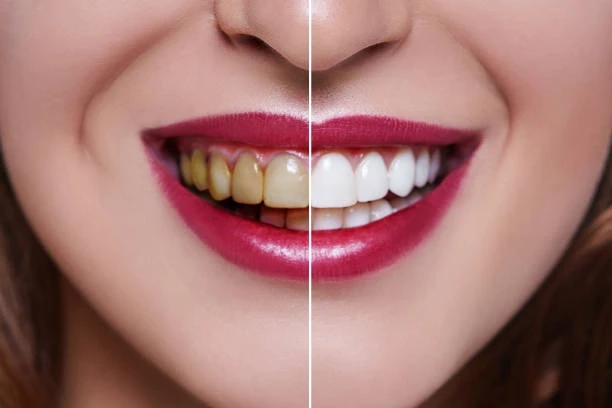
Dentists use stronger whitening gels that lighten teeth more effectively. The results are often noticeable within one visit. Dentists also protect your gums and monitor the process to keep your teeth safe.
Custom Whitening Trays
These trays fit your teeth perfectly, allowing you to use whitening gel at home while keeping sensitivity low. They help you maintain brightness over time.
Whitening Toothpaste
Whitening toothpaste removes only surface stains. It will not change the natural color of your teeth but can keep them looking cleaner.
Whitening Strips
These are popular for mild stains. They can lighten your teeth a little, but results vary and may cause sensitivity if used too often.
Charcoal or Trendy Home Methods
Many online trends claim quick results, but some can wear down enamel. It is best to avoid abrasive materials or strong DIY mixtures.
Signs Whitening May Not Be Right for You
Whitening treatments may not work well for certain dental conditions. Before starting, it helps to watch for these situations:
- Tooth decay
- Gum disease
- Cracked teeth
- Dental restorations like crowns or fillings
- High sensitivity
If any of these apply, your dentist may suggest other cosmetic options instead.
How to Keep Your Teeth Bright After Whitening
Whitening gives you great results, but they last longer when you take care of your teeth daily.
Try following these simple habits:
- Rinse your mouth after drinking coffee, tea, or soda
- Drink more water
- Brush twice a day with a gentle toothbrush
- Avoid smoking
- Limit strongly colored foods
- Visit your dentist regularly
Your smile stays brighter when stains are prevented instead of constantly treated.
When Should You Visit a Dentist for Whitening?
Teeth whitening is safe when done correctly, but a professional opinion helps you avoid mistakes. If you feel unsure which whitening method is right for you, visiting a trusted dentist nearby can help you start safely and avoid damaging your enamel.
You should also seek dental advice if you notice:
- Sudden tooth sensitivity
- Pain during or after whitening
- Gum irritation
- Uneven whitening or white spots
A dentist can guide you toward safer and more effective whitening options.
What Really Works Best?
Professional whitening remains the most reliable choice for deep or stubborn stains. It also reduces the risk of sensitivity because the process is monitored. Store-bought options can help with mild stains, but results are slower and usually not as bright. Consistency is the key. The combination of good oral habits and the right whitening method gives you long-lasting brightness.
Conclusion
Whitening your teeth safely begins with understanding the cause of stains and choosing options that protect your enamel. Whether you want gentle at-home whitening or faster, more noticeable results, the right approach keeps your smile healthy and bright. For safe and personalized whitening care, Dar Dental Care can help you achieve a naturally brighter smile with comfort and confidence.
FAQs
How long does whitening last?
Results vary, but most whitening effects last several months to a year when you avoid heavy staining foods and maintain good oral hygiene.
Can whitening damage my enamel?
Safe whitening methods do not damage enamel. Problems usually arise only from overuse or abrasive DIY methods.
Will whitening work on crowns or fillings?
No. Whitening only works on natural teeth. Dental restorations will stay the same shade.
Why do I feel sensitivity after whitening?
Whitening can temporarily open small pores in the enamel. The sensitivity usually fades within a few days.
What is the fastest way to whiten teeth safely?
Professional in-office whitening offers the quickest and most noticeable results while protecting your gums and enamel.