Insulator arresters play a critical role in protecting electrical power systems from overvoltage events caused by lightning strikes, switching surges, and grid disturbances. As global power networks evolve—driven by renewable energy integration, grid modernization, and higher reliability standards—the design of insulator arresters has undergone significant technological innovation.
This article provides a complete industry breakdown of technological innovations in insulator arrester design, examining key drivers, design tradeoffs, implementation challenges, and decision-making considerations, while also contextualizing these developments within broader material and infrastructure trends such as the global concrete fiber market for building and construction.
What Are Insulator Arresters and Why Design Innovation Matters
Insulator arresters combine two essential functions: mechanical insulation and surge protection. Traditionally, these functions were handled by separate components. Modern designs integrate them into a single compact unit, reducing space requirements and installation complexity.
Innovation in insulator arrester design is crucial because today’s power systems face:
- Higher voltage levels
- More frequent switching operations
- Increased exposure to extreme weather
- Greater use of sensitive electronic equipment
Without continual design improvements, arresters risk becoming a weak link in otherwise advanced grid infrastructure.
Key Technological Innovations in Insulator Arrester Design
1. Advanced Polymer Housing Materials
One of the most impactful innovations is the shift from porcelain to polymer-based housings. Silicone rubber and composite polymers offer:
- Improved hydrophobicity
- Better pollution resistance
- Lower weight and easier handling
These materials reduce flashover risk in harsh environments, a growing concern as transmission lines expand into remote regions.
Tradeoff:
Polymer housings provide superior performance but may raise concerns about long-term aging and UV resistance compared to traditional ceramic materials.
2. High-Performance Zinc Oxide (ZnO) Varistors
At the core of modern insulator arresters are advanced ZnO varistors with enhanced non-linear voltage-current characteristics. These components:
- Absorb higher energy surges
- Respond faster to transient events
- Improve overall system reliability
Continuous R&D in material purity and microstructure control has significantly extended arrester lifespan.
3. Compact and Modular Designs
Space constraints in substations and renewable energy installations have driven the development of compact, integrated arrester-insulator units. Modular designs simplify transportation, installation, and replacement.
Challenge:
Achieving compactness without compromising thermal dissipation or mechanical strength requires precise engineering and higher manufacturing tolerances.
4. Improved Mechanical Strength and Structural Integration
Mechanical performance is increasingly important as arresters are used on taller towers and in high-wind or seismic zones. Innovations include:
- Reinforced fiberglass cores
- Optimized stress distribution
- Better bonding between core, housing, and fittings
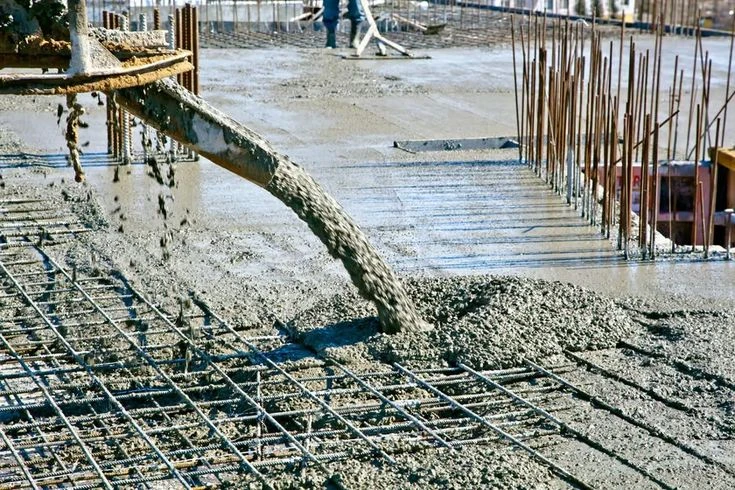
These advancements parallel material science progress seen in adjacent industries, including construction, where fiber reinforcement—reflected in the global concrete fiber market for building and construction—is improving structural durability and load resistance.
External Factors Influencing Design Evolution
Renewable Energy and Grid Expansion
The rise of wind and solar power introduces fluctuating loads and frequent switching operations. Insulator arresters must be designed to handle repeated low-energy surges as well as rare high-energy lightning events.
Environmental and Sustainability Considerations
Designers are increasingly considering environmental impact, recyclability, and lifecycle performance. Polymer-based arresters reduce transportation emissions due to lower weight, aligning with sustainability goals across infrastructure sectors.
Cross-Industry Material Innovation
Advances in composites and fibers are not limited to power systems. The global concrete fiber market for building and construction demonstrates how reinforced materials enhance durability and longevity—principles that increasingly influence insulator arrester material selection and structural design.
Tradeoffs in Insulator Arrester Design Decisions
Balancing innovation with practicality involves several tradeoffs:
- Cost vs. Performance: High-performance materials improve reliability but increase upfront costs.
- Compactness vs. Thermal Management: Smaller designs must still dissipate heat effectively during surge events.
- Innovation vs. Standardization: New designs must meet international standards, which can slow adoption.
Decision-makers must evaluate not only technical specifications but also long-term operational impact and maintenance requirements.
Implementation Challenges
Despite technological progress, challenges remain:
- Field performance validation in diverse climates
- Compatibility with existing grid infrastructure
- Training and awareness among installation and maintenance teams
Overcoming these challenges requires collaboration between manufacturers, utilities, and standards organizations.
Importance of Impact Assessment in Decision-Making
When evaluating technological innovations in insulator arrester design, stakeholders must consider the broader impact on grid reliability, safety, and total cost of ownership. A well-designed arrester reduces outages, protects expensive equipment, and supports long-term infrastructure resilience—benefits that often outweigh higher initial investment.
Frequently Asked Questions (FAQs)
Q1: What is the main purpose of technological innovation in insulator arresters?
To improve surge protection, durability, environmental resistance, and compatibility with modern power grids.
Q2: Why are polymer materials replacing porcelain in many designs?
They offer better pollution resistance, lighter weight, and improved performance in harsh environments.
Q3: How do renewable energy systems influence arrester design?
They increase switching frequency and exposure, requiring arresters with faster response and higher endurance.
Q4: Are modern insulator arresters more expensive?
Upfront costs may be higher, but lifecycle costs are often lower due to reduced maintenance and fewer failures.
Q5: What role do material innovations play across industries?
Advances seen in areas like the global concrete fiber market for building and construction highlight how reinforced materials improve strength and durability—principles increasingly applied to electrical infrastructure.
Technological innovations in insulator arrester design are reshaping how power systems manage overvoltage risks in an increasingly complex and demanding environment. From advanced polymer housings and high-performance varistors to compact, mechanically robust designs, these innovations address both technical and operational challenges. By carefully weighing tradeoffs and considering long-term impact, utilities and infrastructure planners can make informed decisions that enhance grid reliability and safety. As material science and infrastructure technologies continue to evolve across sectors, insulator arrester design will remain a key beneficiary of cross-industry innovation.