



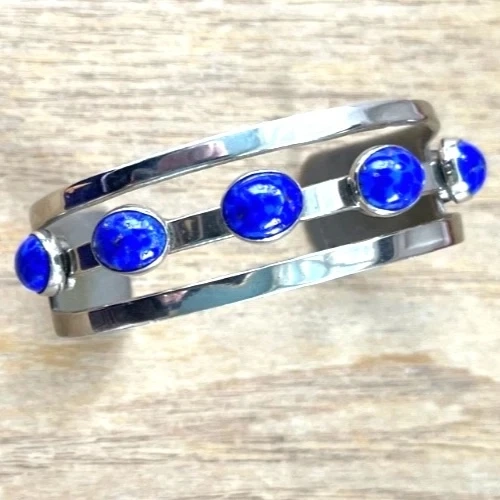
When you combine the rich blue beauty of lapis lazuli with the masterful silverwork of Taxco artisans, you get something truly extraordinary. Taxco lapis lazuli jewelry represents a perfect marriage of natural gemstone splendor and centuries-old Mexican silversmithing traditions. These pieces have captivated collectors worldwide for decades, and their appeal shows no signs of fading.
The stunning contrast between deep blue lapis and gleaming silver creates visual impact that few other gemstone combinations can match. Whether you're admiring a simple pendant or an elaborate bracelet, the intensity of the lapis against the silver backdrop is absolutely mesmerizing. For collectors interested in Mexican silver jewelry, pieces featuring lapis lazuli represent some of the most sought-after examples of Taxco craftsmanship.
The Magic of Taxco Silver
Taxco, located in the mountains of Guerrero state in Mexico, earned its reputation as the silver capital of the world for very good reasons. The town sits atop one of the richest silver deposits on the planet, and mining has occurred there since before the Spanish conquest. However, it wasn't until the 1930s that Taxco transformed from a mining town into a world-renowned center for artistic silverwork.
An American architect named William Spratling deserves much of the credit for this transformation. He moved to Taxco in 1929 and established a workshop that trained local artisans in silversmithing techniques that combined traditional Mexican design elements with modern sensibilities. Spratling's influence created a renaissance in Mexican silver jewelry, and soon dozens of talented artisans opened their own workshops throughout Taxco.
By the 1940s and 1950s, Taxco silver jewelry had become internationally famous. Hollywood celebrities wore it, tourists flocked to Taxco to purchase pieces directly from artisans, and the town's reputation for quality silverwork became firmly established. Today, Taxco remains a thriving center for silver jewelry production, with hundreds of workshops continuing the traditions established nearly a century ago.
The designation "Taxco silver" has become synonymous with quality Mexican sterling silver jewelry. Pieces are typically marked with "925" indicating sterling silver content, along with maker's marks that identify the specific artisan or workshop. This system of marking ensures authenticity and allows collectors to trace pieces back to their creators.
Understanding Lapis Lazuli
Lapis lazuli has been treasured as a gemstone for more than 6,000 years, making it one of humanity's oldest decorative stones. Ancient Egyptians used it extensively in jewelry and cosmetics, grinding it into powder to create the vivid blue eyeshadow seen in tomb paintings. The stone was so valued in ancient times that it was often considered more precious than gold itself.
This stunning blue stone is actually a rock composed of multiple minerals, with lazurite being the primary component that gives lapis its characteristic color. The best quality lapis displays a rich, uniform deep blue color, often with small flecks of golden pyrite that sparkle like stars in a night sky. These golden inclusions are actually considered desirable rather than flaws, as they confirm the stone's authenticity and add visual interest.
The finest lapis lazuli historically came from Afghanistan, where mines in the Badakhshan region have produced exceptional material for millennia. However, lapis deposits exist in several other countries including Chile, Russia, and the United States. The quality varies significantly between sources, with Afghan lapis generally commanding the highest prices due to its superior color saturation and minimal calcite inclusions.
When Taxco artisans work with lapis lazuli, they typically use high-quality stones that showcase the material's best characteristics. The deep blue provides a striking contrast to silver's brightness, and the stone's relative softness makes it workable for inlay and cabochon settings. Lapis holds polish beautifully, developing a smooth, lustrous surface that enhances its color depth.
Why Taxco Artisans Love Working with Lapis
The cultural and aesthetic connection between Mexican silver artisans and lapis lazuli runs deep. The vibrant blue color resonates with Mexico's visual traditions, from the intense blues in folk art to the turquoise-like stones valued in pre-Columbian cultures. Lapis offers that same dramatic color impact while providing durability and beauty that complement silver perfectly.
From a technical standpoint, lapis lazuli works well with the silversmithing techniques favored by Taxco artisans. The stone can be cut into cabochons that sit beautifully in bezel settings, shaped into inlay pieces that create stunning mosaic effects, or carved into decorative elements. Its moderate hardness means it won't crack easily during the setting process, though it does require care to avoid scratching.
The color stability of lapis makes it ideal for jewelry that will be worn regularly. Unlike some gemstones that fade with sun exposure or react to chemicals, properly handled lapis maintains its vivid blue color indefinitely. This durability combined with its timeless beauty makes lapis an excellent choice for pieces meant to become family heirlooms.
Many Taxco designers create signature styles that feature lapis prominently. Some workshops are particularly known for their lapis work, developing specialized techniques for combining the stone with silver in distinctive ways. These artistic traditions pass from master to apprentice, ensuring that the skills and aesthetic sensibilities continue through generations.
Recognizing Quality in Taxco Lapis Jewelry
When evaluating Taxco lapis lazuli pieces, several factors indicate quality craftsmanship and materials. The lapis itself should display rich, saturated color without excessive white calcite streaks or veining. While small amounts of white or golden pyrite are acceptable and even desirable, large white patches generally indicate lower-grade material.
Examine the stone settings carefully. Quality Taxco work features secure bezels that hold stones firmly without gaps or wobbling. The metal around the stone should be smooth and even, with no sharp edges or rough finishing. Settings should protect the stone's edges while allowing maximum exposure of the surface to showcase the lapis's beauty.
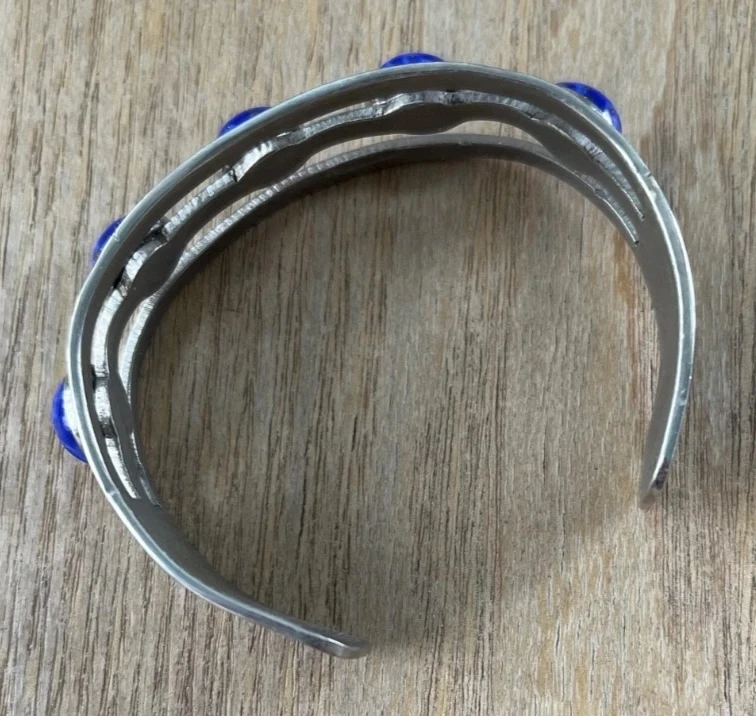
The overall silver work quality tells you a lot about a piece's value. Look for consistent thickness in the metal, smooth soldered joints that are nearly invisible, and attention to detail in decorative elements. Better pieces show thoughtful design proportions, with stone sizes that balance well with the silver components. The reverse side of jewelry should be finished as carefully as the front, with smooth surfaces and properly secured clasps or closures.
Authentic Taxco silver jewelry bears hallmarks that provide valuable information. The "925" or "Sterling" mark confirms the silver content meets sterling standards. Additionally, look for maker's marks that might be letters, symbols, or names identifying the workshop or artisan who created the piece. Some well-known Taxco designers command premium prices based on their artistic reputation and the quality associated with their workshops.
Popular Styles of Taxco Lapis Jewelry
Bracelets represent one of the most popular forms of Taxco lapis jewelry, ranging from simple bangles with single stone settings to elaborate link bracelets featuring multiple lapis cabochons. Hinged cuff bracelets often showcase large, premium lapis stones as centerpieces, surrounded by intricate silver work. Link bracelets might alternate lapis settings with decorative silver elements, creating rhythm and visual interest along the length of the piece.
Necklaces and pendants featuring lapis vary from minimalist modern designs to traditional Mexican styles incorporating detailed silverwork and multiple stones. Some pendants present single large lapis cabochons in simple bezel settings, letting the stone's natural beauty take center stage. Others feature complex designs with lapis inlay work, creating patterns or images within the silver framework.
Earrings offer wonderful opportunities for Taxco artisans to showcase lapis in wearable art. Dangle earrings might feature cascading lapis stones mixed with silver beads and decorative elements. Stud earrings can be simple and elegant, with matched lapis cabochons set in silver bezels. The weight of lapis means that earring designs must balance beauty with comfort, and experienced Taxco artisans excel at creating pieces that are substantial without being uncomfortable.
Rings featuring Taxco silver and lapis range from delicate bands with small stone accents to bold statement rings with large central lapis cabochons surrounded by intricate metalwork. The best ring designs consider how the piece will look from multiple angles and how it will feel during everyday wear. Comfort, durability, and beauty all factor into successful ring designs.
Dating Taxco Lapis Pieces
Understanding the approximate age of Taxco jewelry helps collectors assess value and authenticity. The style and construction methods provide important clues about when a piece was created. Earlier pieces from the 1940s through 1960s often feature heavier silver construction and bold, sculptural designs that reflect mid-century aesthetic preferences.
The marking system evolved over the decades, with earlier pieces sometimes bearing only maker's marks without the standardized "925" designation. By the 1970s, Mexican law required the sterling mark, and most workshops complied. The style of the maker's mark itself, including its size, font, and design, can help date pieces when you become familiar with how specific workshops marked their jewelry over time.
Design trends also shifted through the decades. The 1940s and 1950s saw strong pre-Columbian influences with heavy, architectonic forms. The 1960s brought more organic, flowing designs influenced by international art movements. Later decades incorporated varied styles, from modernist minimalism to traditional Mexican folk art inspirations. Recognizing these stylistic periods helps place undated pieces in their historical context.
Wear patterns provide additional age indicators. Pieces that have been worn regularly for decades show characteristic signs like slight silver loss at contact points, patina development in recesses, and stone surfaces that have acquired polish from handling. However, these wear indicators must be evaluated carefully, as some sellers artificially age pieces to make them appear older than they actually are.
Caring for Your Taxco Lapis Collection
Lapis lazuli requires thoughtful care to maintain its beauty over time. The stone ranks between 5 and 6 on the Mohs hardness scale, which means it's moderately soft and susceptible to scratching. Store lapis jewelry separately from harder gemstones that could damage it, ideally in individual soft cloth pouches or lined jewelry boxes with compartments.
Avoid exposing lapis to harsh chemicals including household cleaners, chlorine, and acidic substances. Even common things like perfume, hairspray, and hand lotion can potentially affect the stone's surface over time. The general rule for all jewelry applies especially to lapis pieces: put your jewelry on last after applying cosmetics and personal care products, and remove it first when you return home.
Cleaning Taxco lapis jewelry requires a gentle approach. Use a soft, slightly damp cloth to wipe both the silver and the stones, then immediately dry with a clean, soft cloth. Never soak lapis jewelry in water or cleaning solutions, as the stone is somewhat porous and can absorb liquids that might cause discoloration. For the silver components, appropriate silver polishing cloths work well, but be careful not to get polish on the lapis itself.
Professional cleaning and inspection periodically benefits valuable Taxco lapis pieces. A jeweler can check stone settings to ensure they remain secure, clean hard-to-reach areas, and address any developing problems before they become serious. This preventive maintenance helps preserve your collection's value and ensures pieces remain wearable for generations.
Building a Taxco Lapis Collection
Starting a collection of Taxco lapis jewelry offers exciting possibilities whether you have a modest or substantial budget. Beginning collectors might focus on acquiring a few quality pieces representing different jewelry forms—perhaps a bracelet, a pendant, and earrings. This approach provides variety while allowing you to wear and enjoy your collection regularly.
As your collection grows, you might develop more specific focus areas. Some collectors concentrate on pieces from particular time periods, others seek work by specific artisans or workshops, and some focus on certain jewelry forms or design styles. This specialized approach creates coherent collections with clear themes and often leads to deeper knowledge about your chosen area.
Research enhances the collecting experience tremendously. Learning about prominent Taxco silversmiths, understanding how to read maker's marks, and studying the evolution of design styles all contribute to making informed purchasing decisions. Online collector communities, reference books about Mexican silver jewelry, and museum collections provide valuable educational resources.
Building relationships with reputable dealers who specialize in Taxco silver creates advantages for serious collectors. These dealers often have access to exceptional pieces before they reach the general market, and they can provide authentication assistance and collecting guidance. They also understand the investment aspect of quality Taxco jewelry and can help you make purchases that will likely appreciate over time.
Investment Potential of Taxco Lapis Jewelry
Quality Taxco silver jewelry, particularly pieces featuring lapis lazuli, has shown steady appreciation in value over the past several decades. Several factors contribute to this investment potential, starting with the finite nature of vintage pieces and the growing collector base interested in Mexican silver jewelry. As more people discover and appreciate Taxco work, demand increases while the supply of vintage pieces remains fixed.
Pieces by recognized master silversmiths command premium prices and tend to appreciate most consistently. Names like William Spratling, Héctor Aguilar, Antonio Pineda, and Los Castillo represent the highest echelon of Taxco silver artistry. Their works are increasingly recognized as important examples of 20th-century decorative arts and are collected by museums as well as private collectors.
The intrinsic value of materials provides a baseline for Taxco jewelry prices. Sterling silver has commodity value that fluctuates with precious metal markets, and lapis lazuli maintains consistent demand as a gemstone. However, the artistic and historical value of quality Taxco pieces far exceeds their material worth, with craftsmanship and provenance being the primary value drivers.
Condition significantly affects investment value. Well-preserved pieces with all original stones, intact hallmarks, and minimal wear command prices substantially higher than damaged or heavily worn examples. This reality emphasizes the importance of proper care and storage for collectors viewing their acquisitions as investments as well as personal treasures.
Where to Find Authentic Taxco Lapis Jewelry
Online marketplaces provide access to Taxco lapis jewelry from sellers worldwide, offering convenience and selection that physical shopping can't match. However, buying online requires careful evaluation of photographs, detailed questions to sellers, and understanding of return policies. Look for sellers who provide clear images of hallmarks, accurately describe condition, and have established positive reputations through customer feedback.
Antique shops and vintage jewelry dealers often carry Taxco silver pieces, particularly in regions with strong collecting communities or areas that were popular tourist destinations for travelers returning from Mexico. Building relationships with local dealers can alert you to new acquisitions before they're displayed publicly, and hands-on examination before purchase provides confidence that online buying can't replicate.
Estate sales and auctions occasionally feature substantial collections of Mexican silver jewelry, sometimes representing decades of accumulation by serious collectors. These events can offer opportunities to acquire multiple quality pieces at once, though competition from other collectors and dealers may be intense. Attending previews and carefully examining pieces before bidding helps ensure you're making informed decisions.
Traveling to Taxco itself provides an unforgettable shopping experience, though it's important to understand that much of what's currently sold there is contemporary production rather than vintage work. The town's silver market offers modern pieces at good prices, and some workshops continue producing jewelry using traditional techniques. However, finding vintage pieces with lapis typically requires seeking out specialized dealers rather than shopping in tourist-oriented shops.
Conclusion
Taxco lapis lazuli and sterling silver jewelry represents a beautiful intersection of natural gemstone beauty and human artistic achievement. These pieces carry the legacy of master silversmiths who transformed a Mexican mountain town into an internationally recognized center for decorative arts. Whether you're drawn to the stunning visual impact of deep blue lapis against bright silver or you appreciate the craftsmanship and history these pieces embody, collecting Taxco lapis jewelry offers lasting satisfaction.
The combination of artistic merit, historical significance, and enduring beauty makes quality Taxco lapis pieces valuable additions to any jewelry collection. As you develop your understanding of what distinguishes exceptional work from ordinary pieces, you'll find yourself increasingly captivated by the subtle details and artistic choices that make each piece unique. The tactile pleasure of wearing these pieces adds another dimension to the collecting experience, transforming artistic appreciation into daily enjoyment.
Building a collection of Taxco lapis lazuli jewelry connects you to a rich tradition of craftsmanship while providing tangible beauty you can wear and treasure. Each piece tells stories about the artisan who created it, the geological forces that formed the lapis, and the silver that has been valued throughout human history. That combination of natural wonder and human creativity makes Taxco lapis jewelry genuinely special and worthy of the admiration collectors worldwide have shown it for generations.