



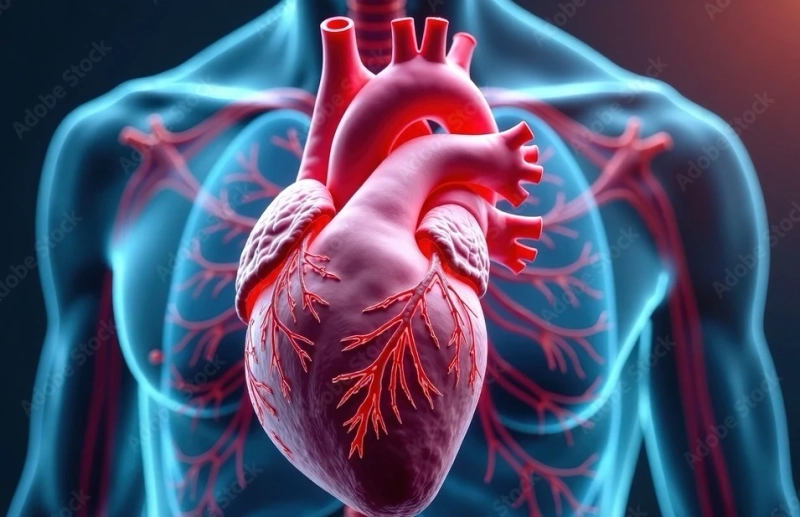
TAVI: A Modern Breakthrough in Heart Valve Treatment.
Introduction
Heart diseases are one of the leading causes of death worldwide. Among them, aortic valve stenosis — a condition where the heart’s aortic valve becomes narrow — can lead to serious health complications.
In the past, patients had to undergo open-heart surgery to replace the damaged valve. But with the advancement of medical technology, there’s now a minimally invasive solution known as TAVI (Transcatheter Aortic Valve Implantation).
This revolutionary procedure has transformed the way doctors treat heart valve disease, especially for elderly patients and those at high surgical risk.
What is TAVI?
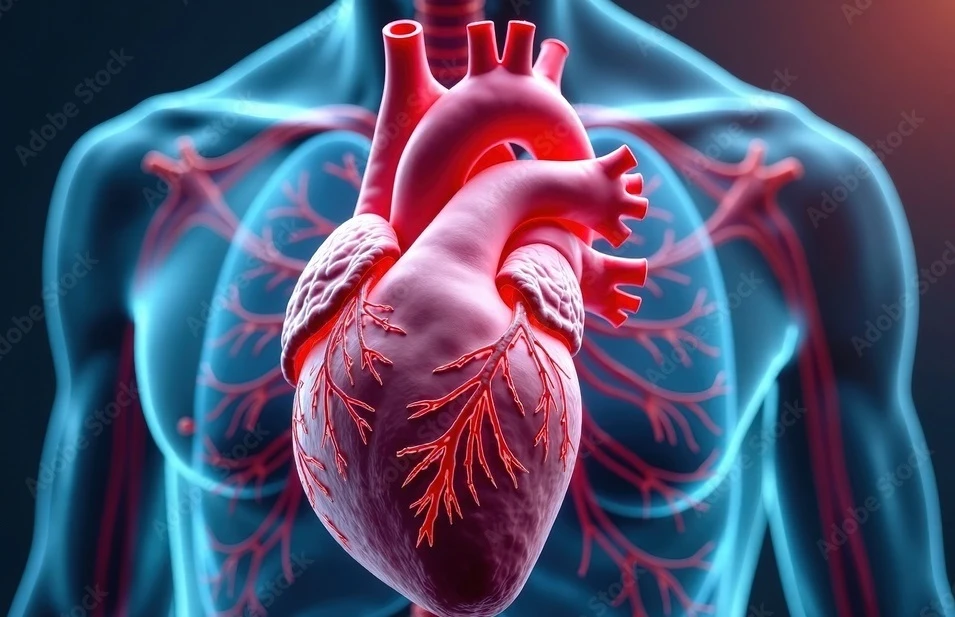 nstead of opening the chest and stopping the heart (as in traditional surgery), doctors insert a new valve using a thin tube called a catheter — usually through an artery in the groin.
This method ensures less pain, quicker recovery, and minimal complications, making it a preferred option for many patients.
Understanding Aortic Stenosis
The aortic valve is one of the four valves in the heart. It controls blood flow from the left ventricle (the heart’s main pumping chamber) to the aorta, the largest artery that supplies blood to the body.
In aortic stenosis, this valve becomes narrow or stiff due to calcium deposits or age-related changes. This restricts blood flow, forcing the heart to work harder, which can lead to:
- Chest pain
- Shortness of breath
- Dizziness or fainting
- Fatigue
- Heart failure (in severe cases)
Who Needs TAVI?
TAVI is usually recommended for:
- Elderly patients (often above 70 years)
- Patients with severe aortic stenosis
- Individuals considered high or intermediate risk for open-heart surgery
- Patients with previous heart surgeries or other serious medical conditions
Before recommending TAVI, doctors perform several tests such as:
- Echocardiogram (Echo)
- CT Scan
- Cardiac catheterization
These help evaluate the heart’s anatomy and decide whether TAVI is the right option.
How is the TAVI Procedure Performed?
The TAVI procedure involves several precise steps:
- Preparation:
- The patient is given local or general anesthesia. The heart’s condition and access routes are checked using imaging.
- Catheter Insertion:
- A small incision is made in the groin (femoral artery), and a thin tube (catheter) carrying the new valve is inserted and guided to the heart.
- Valve Placement:
- Once positioned, the new valve (made from biological tissue) is expanded using a balloon or self-expanding mechanism. It pushes aside the old valve and starts functioning immediately.
- Verification:
- Doctors use imaging to ensure the new valve is working properly before removing the catheter.
Recovery After TAVI
Recovery after TAVI is usually much faster than open-heart surgery.
- Hospital Stay: 3–5 days on average
- Full Recovery: Within a few weeks
- Pain Level: Minimal due to small incision
- Follow-ups: Regular check-ups to monitor valve function
Most patients experience immediate relief from symptoms like breathlessness and fatigue, and can return to normal life activities soon after discharge.
Benefits of TAVI
TAVI offers several advantages, such as:
- Minimally invasive: No need for open-heart surgery
- Faster recovery: Shorter hospital stays
- Less pain and scarring
- Lower risk of infection
- Improved heart function and quality of life
These benefits make TAVI a preferred treatment, especially for patients who are elderly or medically fragile.
Possible Risks and Complications
Though TAVI is generally safe, like any medical procedure, it carries some potential risks:
- Bleeding or infection at the insertion site
- Blood vessel injury
- Stroke or heart rhythm disturbances
- Leakage around the new valve (paravalvular leak)
- Rarely, need for a pacemaker
However, with modern technology and experienced cardiologists, the success rate of TAVI is very high, often exceeding 95% in major hospitals.
Life After TAVI
After TAVI, patients are usually prescribed blood-thinning medications to prevent clots and ensure proper valve function.
They should also follow these guidelines:
- Attend regular follow-up appointments
- Maintain a heart-healthy diet
- Exercise moderately, as advised by the doctor
- Avoid smoking and limit alcohol
- Manage blood pressure, cholesterol, and diabetes carefully
With proper care, TAVI valves can last for 10–20 years, offering long-term relief and improved survival.
Conclusion
TAVI is a medical milestone that has redefined the way heart valve diseases are treated.
It provides a safe, effective, and minimally invasive alternative to traditional surgery, especially for those who once had no viable treatment options.
By restoring normal heart function and improving quality of life, TAVI gives patients a second chance at a healthy, active life.
As technology continues to advance, TAVI will likely become a standard treatment for valve disorders across the world.