



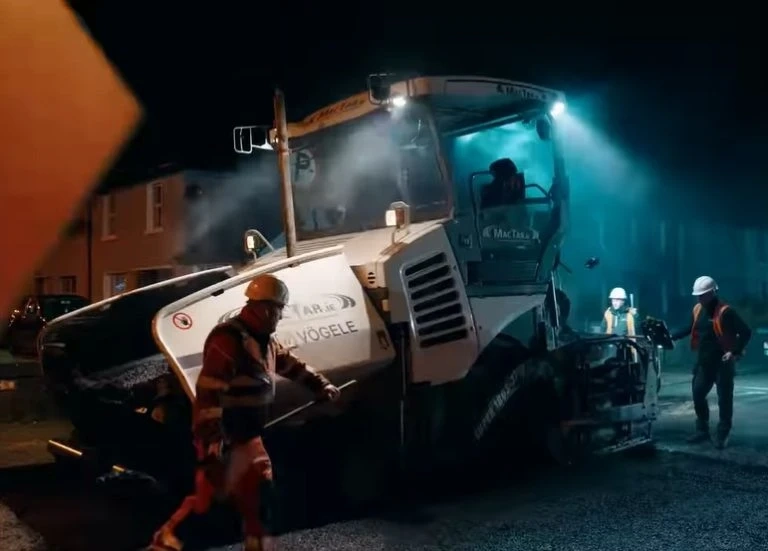
When it comes to surfacing in Ireland, few debates are more common—or more confusing—than the difference between tarmacadam and asphalt. The terms are often used interchangeably, especially in casual conversation, but for property managers, local authorities, and homeowners, knowing the difference can directly impact your project's cost, performance, and lifespan.
Let’s clear it up: Tarmac is a short form of “tarmacadam,” a material made by mixing crushed stone with tar. Asphalt, on the other hand, uses bitumen as the binder, offering a smoother, blacker finish. Both are durable and weather-resistant—but they perform differently under heavy use, and they vary in price.
Now, here's what people in Ireland are actually Googling:
- “Tarmac vs asphalt for driveway?”
- “How much does tarmac cost per square metre in Ireland?”
- “Is asphalt more expensive than tarmac?”
- “Tarmac driveway cost calculator Ireland”
- “Best material for resurfacing roadways?”
We answer all of these, right here.
💸 The Cost of Tarmacadam in Ireland (and What Affects It)
First things first: pricing. The cost of tarmac Ireland depends on:
- Size and condition of the surface
- Preparation required (e.g., groundworks)
- Thickness of layers
- Type of finish (standard, SMA, decorative)
On average, the tarmac cost in Ireland ranges between €45–€70 per square metre. For driveways, factors like edging, drainage, and accessibility can push that number up or down.
Want a quick estimate? Use our tarmac calculator cost tool on the website or request a custom quote tailored to your project size.
For comparison, asphalt might come in slightly cheaper per square metre, but its benefits show up in larger commercial applications. Still unsure? Let’s go deeper.
🔬 Tarmacadam vs Asphalt – Side-by-Side Comparison
FeatureTarmacadamAsphaltBinderTarBitumenDurabilityGood for moderate loadsBetter for heavy trafficSurface FinishSlightly rougherSmooth, jet-blackWeather ResistanceExcellentExcellentUse CaseDriveways, pathsCar parks, roadsPriceSlightly higher for smaller jobsCost-effective in bulk
The verdict? Tarmacadam is ideal for residential projects like paving a driveway or smaller community areas, while asphalt is better for commercial-scale road construction and large car parks.
🛠️ Modified Asphalt & SMA Tarmacadam – The Next Gen Choices
Looking for next-level durability? Mactar offers modified asphalt and SMA tarmacadam (Stone Mastic Asphalt). These premium materials are reinforced with polymers and coarse stone aggregates for superior skid resistance and load-bearing strength—perfect for sites with high traffic or safety-critical zones.
📊 Calculating Costs Like a Pro: What to Include
When comparing estimates or using a tarmac driveway cost calculator, be sure to include:
- Surface prep: excavation, removal, levelling
- Drainage elements like gullies and edging
- Base layers (hardcore or sub-base)
- Final surface layer: thickness, finish type, sealants
Remember, cheap quotes often skip these steps—leading to cracking, sinking, and costly pothole repair down the line.
🔍 Related Services You Should Consider
Depending on your project, you may also want:
- Driveway asphalt (ideal for homes or shared entries)
- Tarmac driveway repair (patching, crack sealing, overlays)
- Tarmac build up for worn or uneven areas
- Tar contractors for road or farm lanes
- Tarmac driveways prices to compare based on region and finish
⚖️ So, Tarmac or Asphalt? Final Takeaway
For most residential or light commercial projects in Ireland, tarmacadam wins on aesthetics, longevity, and value. For high-traffic car parks, bus lanes, or municipal roads, asphalt (especially modified types) delivers better performance.
Either way, Mactar’s team is ready to advise, estimate, and execute with the highest standards in the industry.
Mastic Ironworks & Manhole Sealing Solutions: Longevity Meets Precision 🛠️
Your pavement’s performance isn’t just about the surface—it runs much deeper. Imagine a well-laid driveway or roadway lasting decades without uneven edges or damaged ironworks. That’s exactly what specialist mastic ironworks and correct manhole sealing deliver in Ireland.
Investing in mastic ironworks ensures that all metal entries—like manholes, catchbasins, fire hydrants, and sluice valves—sit flush with asphalt, without sharp edges or infiltration points. Left unchecked, these components lead to early surface wear, potholes, and even structural damage.
Here’s what professionals ask on Google:
- “What are mastic surrounds for fire hydrants?”
- “How to reset raised ironworks in mastic?”
- “Who offers sealing for manholes near me?”
This is where mastic surrounds come into play. Crafted from durable mastic compounds, these surrounds protect the gap between metal and tarmac—especially critical in heavy-traffic zones and freeze-thaw conditions. Want to guard against moisture infiltration? Use mastic surrounds for manholes, along with precise manhole mastic applications.
Often, older ironworks sit above grade—unsightly and trip-hazard prone. The solution: raised ironworks in mastic, which lift iron components to match the new pavement height. What if they’re too high or don’t align? Then resetting ironworks in mastic includes lowering or raising frames and sealing properly, ensuring flush transition and no edge deterioration.
Google searches confirm this need:
- “Resetting ironworks in mastic cost Ireland.”
- “Raised ironworks and ancillary works Dublin.”
Beyond roads, these techniques are vital in mastic surrounds for sluice valves and mastic surrounds for fire hydrants—public utilities needing robust protection and simple surface transitions.
Finally, don’t forget the essential finishing touch: sealing for manholes. A precise seal prevents water ingress, binds the frame to the asphalt, and extends life expectancy. This safeguards your investment and reduces maintenance calls.
Why this matters:
- Durability – Minimizes edge degradation and surface cracking
- Safety – No trip hazards or uneven joints
- Performance – Flooding, freeze-thaw, and utility access are all better managed
Every driveway, road, or car park in Ireland deserves this level of care—and when you choose comprehensive mastic ironwork, you're choosing longevity paired with structural integrity.
Drainage Gullies & Road Gully Systems in Ireland: The Unsung Heroes of Long-Lasting Roads 💧
When Irish homeowners or contractors think about surfacing, they often start with aesthetics—texture, finish, colour. But one critical component often overlooked is drainage. More specifically, the role of drainage gullies in maintaining surface integrity, road safety, and lifespan. Here’s the truth: the best-laid tarmac can fail fast without proper water management.
Let’s get to the heart of the matter.
Why Drainage Matters More Than You Think
Water is the #1 enemy of roads. Without proper drainage, rain seeps into pavement cracks, expands with freezing temps, and causes potholes, edge raveling, and base layer instability. That’s why we always integrate road gullies and drain gullies into every road resurfacing or driveway paving job.
In fact, here’s what Irish customers are frequently searching:
- “What are gullies in drainage systems?”
- “How are road gullies constructed?”
- “Drainage gully installation cost in Ireland?”
- “Rainwater drainage for driveways?”
Types of Drainage Gullies & Their Purpose
At Mactar, we install a range of robust solutions including:
- Road gully systems to manage surface runoff from roads and car parks.
- Rainwater gullies that capture stormwater from sloped surfaces and direct it into proper outflow systems.
- Gully drains and drainage gully installations built to handle peak rainfall without overflow.
- Concrete road gullies and plastic road gullies depending on load-bearing needs and budget.
- Water gullies for driveways – especially crucial for rural or sloped properties.
Not every gully is made equal. Depending on whether you’re working on a domestic dublin driveway or a major road construction project, we adjust depth, material, and cover grade.