



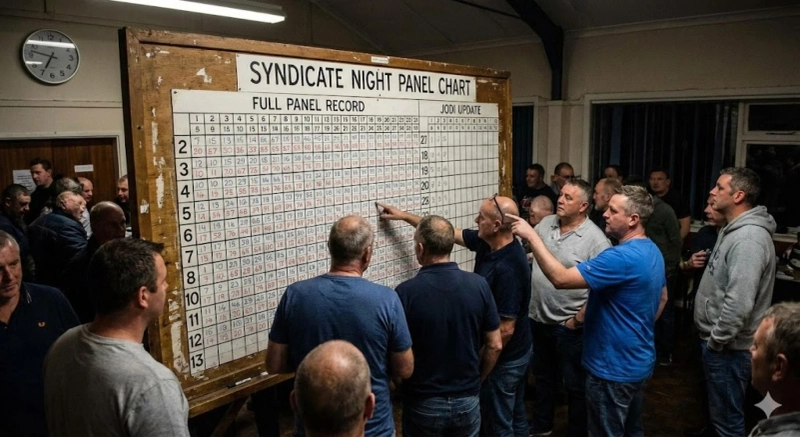
The world of number-based games and speculative markets has long fascinated enthusiasts who enjoy analysing patterns, historical data, and numerical trends. Among the many charts and records followed by players, the Syndicate Night Chart stands out as one of the most frequently referenced tools. Whether someone is looking to understand past performance, decode number trends, or stay updated with the latest panel results, the Syndicate Night Panel Chart provides a complete snapshot of how the game unfolds night after night.
In this blog, we'll explore what the Syndicate Night Panel Chart is, why it is widely used, how complete panel records and Jodi updates work, and why chart observation has become such an essential part of the numerical-game community. This article is crafted for informational and educational purposes, helping readers understand the structure and significance of these charts.
What Is the Syndicate Night Chart?
The Syndicate Night Chart is a structured numerical record that is updated daily based on the results announced in the Syndicate Night game. These results are organised into panels, Jodi outcomes, and paired numbers, giving followers a clear historical trail of night-wise performances.
The chart usually includes:
- Panel records – A set of three numbers that reflect the panel result for the night.
- Jodi results – A two-digit outcome derived from the opening and closing numbers.
- Date-wise entries – Organised results that help enthusiasts track day-to-day movements.
- Historical sequences – Past trends that players often review for pattern analysis.
Because of its detailed structure, the Syndicate Night Chart serves as a central reference point for anyone seeking to understand how results progress over time.
The Importance of Full Panel Records
Complete panel records form the backbone of the Syndicate Night Chart. A single-panel result typically consists of a three-digit combination derived from a predefined calculation or convention within the game format.
While casual observers may simply check the most recent outcome, dedicated chart followers analyse:
- Repeated digits
- Frequently occurring patterns
- Rare or non-repeating sequences
- Monthly and weekly trends
Reviewing the full panel record helps some users identify whether certain numerical sets appear more often during specific phases or seasons. For many enthusiasts, the appeal lies not just in checking results but in exploring the dataset's deeper statistical behaviour.
Even though no chart can predict future outcomes with certainty, panel records offer valuable insights for those who enjoy studying numerical histories.
Also Read :- What Is Satta Matka? Complete Guide for Beginners
Understanding Jodi Updates in the Syndicate Night Chart
A Jodi, or pair, is a crucial figure in number games. In the Syndicate Night Chart, the Jodi is usually displayed alongside the panel result for each date.
A typical Jodi update may include:
- Opening Jodi
- Closing Jodi
- Combined pair outcome
Like panel results, Jodi's records help track the frequency and appearance of numbers. Followers often observe how Jodis behave in cycles—whether specific pairs appear back-to-back, skip intervals, or emerge after long gaps.
What makes Jodi tracking interesting is the pattern-analysis aspect. The sequential flow of Jodi results tells a story over weeks and months, and the Syndicate Night Panel Chart neatly organises this information for easy reference.
Why People Follow the Syndicate Night Panel Chart
While every user has their own reason for following nightly updates, there are some common motivations:
1. Pattern Observation
The numerical sequences in the Syndicate Night Chart often spark curiosity among people who enjoy studying repeating cycles and statistical behaviour.
2. Data Reference
Many individuals use panel charts as a repository for historical information. Since every date contains a structured result, the chart serves as a valuable archive.
3. Trend Mapping
Users may compare weekly, monthly, or seasonal trends. Observing when a number or pair appears frequently can offer analytical value.
4. Community Engagement
Many communities discuss chart updates, panel movements, and Jodi outcomes. The chart becomes a shared point of reference for discussions.
5. Transparency of Records
A publicly available Syndicate Night Chart ensures that results are consistent, traceable, and accessible.
How Full Panel & Jodi Records Are Usually Presented
The standard layout of a Syndicate Night Chart includes:
- Date / Day
- Panel Result (three-digit)
- Jodi Output (two-digit)
- Additional remarks or notable highlights (if applicable)
This layout allows users to scan months or even years of data within minutes. Some charts even visually format trends to make them easier to interpret.
Historical Trends & Analytical Insights
When exploring historical Syndicate Night Panel Charts, some of the common aspects users notice include:
1. Digit Frequency
Which digits (0–9) appear most often in panels or Jodis?
2. Repeating Patterns
Certain combinations may recur at intervals, attracting attention from pattern-seekers.
3. Seasonal Shifts
Numbers may appear to cluster during certain times, although this is typically random.
4. Outliers
Uncommon or rare numbers that show up unexpectedly.
While such insights do not guarantee any predictive ability, they enrich the analytical experience for those who enjoy numerical study.
The Role of Online Platforms in Chart Accessibility
Today, the Syndicate Night Chart is readily available on various websites and result-tracking platforms. These platforms:
- Update results daily
- Archive older data for long-term reference
- Display panel and Jodi outcomes in user-friendly formats
- Provide comparison tools for trend analysis
The ease of access to these charts has broadened their appeal, making them useful for both new and experienced chart readers.
Why Chart Accuracy Matters
Because enthusiasts rely on the information for reference, accurate updates to panel results and Jodi outcomes are crucial. Any delay or incorrect entry can lead to confusion or misinterpretation.
Most reputable platforms prioritise:
- Timely uploads
- Correct formatting
- Proper sequence management
- Verified updates
This ensures that the Syndicate Night Panel Chart remains a trusted source of nightly information.
Conclusion
The Syndicate Night Chart has become an essential tool for followers of numerical games seeking transparent, organised, and historical data tracking. With its detailed presentation of complete panel records and Jodi updates, the chart offers a structured way to observe nightly outcomes and study long-term patterns.
Whether you're a casual observer or someone deeply invested in numerical trend analysis, the Syndicate Night Panel Chart provides a comprehensive window into how results evolve. As online platforms continue to enhance accessibility and accuracy, these charts remain valuable resources for anyone interested in structured number analysis.