



Symptoms of Scrub Typhus
Scrub typhus is a potentially serious infectious disease that often goes unrecognized in its early stages due to its flu-like presentation. Caused by a bacterial infection transmitted through the bite of infected chigger mites, scrub typhus is increasingly reported in tropical and subtropical regions, especially during monsoon and post-monsoon seasons.
The challenge with scrub typhus lies in its symptoms. Many early signs appear mild or nonspecific, leading people to delay medical consultation. However, if left untreated, the infection can progress rapidly and affect vital organs such as the lungs, liver, kidneys, and brain. Recognizing the symptoms early plays a critical role in preventing complications and ensuring timely treatment.
This article focuses on the common and early symptoms of scrub typhus, along with a brief overview of its causes, treatment, and prevention, serving as an entry point for those seeking reliable medical information.
Early Symptoms of Scrub Typhus
The symptoms of scrub typhus typically begin 6 to 21 days after exposure to the infected mite. Early manifestations are often subtle and may resemble common viral infections, which is why the condition is frequently misdiagnosed.
Common early symptoms include:
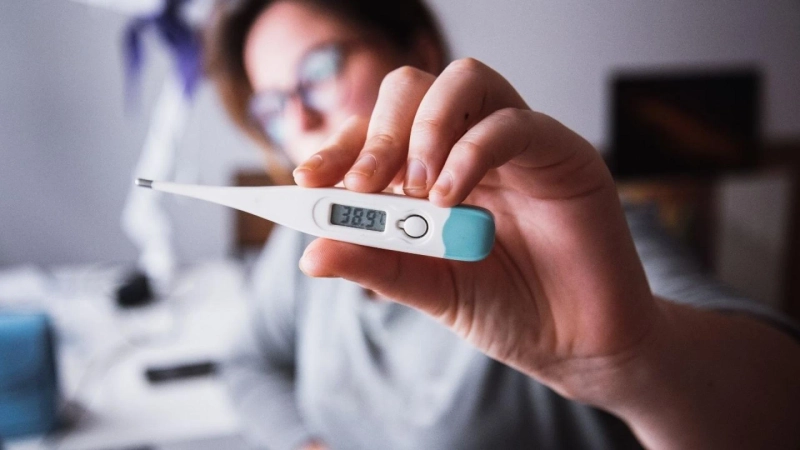
- Sudden onset of fever, often high and persistent
- Chills and sweating
- Headache, usually severe and continuous
- Body aches and muscle pain
- General weakness or fatigue
At this stage, many individuals assume the illness is seasonal flu or viral fever, delaying proper diagnosis.
Progressive Symptoms of Scrub Typhus
As the infection advances, symptoms tend to become more pronounced and systemic. These signs indicate that the bacteria are spreading through the bloodstream and affecting multiple organs.
Some commonly observed progressive symptoms include:
- Persistent high-grade fever not responding to basic medications
- Swollen lymph nodes, especially near the groin, neck, or armpits
- Cough or breathing discomfort, suggesting lung involvement
- Nausea, vomiting, or abdominal pain
- Skin rash, usually appearing a few days after fever onset
One of the most distinctive but often missed signs is the eschar — a dark, scab-like lesion at the site of the mite bite. It is painless and may appear on hidden body areas such as the groin, underarms, waist, or back, making it easy to overlook.
Severe and Complicated Symptoms
If scrub typhus remains untreated, it can progress to severe disease with life-threatening complications. At this stage, symptoms indicate organ involvement and require immediate medical attention.
Severe symptoms may include:
- Shortness of breath or respiratory distress
- Confusion or altered mental status
- Reduced urine output, indicating kidney involvement
- Yellowing of the eyes or skin (jaundice)
- Low blood pressure or shock
Such complications increase the risk of multi-organ failure, especially in elderly individuals, children, or people with weakened immunity.

Causes of Scrub Typhus
Scrub typhus is caused by the bacterium Orientia tsutsugamushi. The infection spreads through the bite of infected larval mites, commonly known as chiggers.
Key causes and risk factors include:
- Exposure to bushy or grassy areas
- Agricultural or outdoor activities
- Living in rural or semi-urban regions
- Sitting or sleeping on grass without protection
- Lack of protective clothing during outdoor work
The mites themselves do not fly or jump; infection occurs when their larvae attach to the skin and feed.
Treatment of Scrub Typhus
Scrub typhus is highly treatable when diagnosed early. The mainstay of treatment involves specific antibiotics that effectively eliminate the infection.
General treatment principles include:
- Prompt antibiotic therapy, usually prescribed by a physician
- Supportive care for fever, dehydration, or weakness
- Hospital monitoring in moderate to severe cases
Most patients show improvement within 48–72 hours of starting appropriate treatment. Delayed treatment, however, increases the risk of complications.
Prevention of Scrub Typhus
While there is no widely available vaccine, preventive measures can significantly reduce the risk of infection.
Basic prevention strategies include:
- Wearing full-sleeved clothing when outdoors
- Using insect repellents on exposed skin
- Avoiding sitting or lying directly on grass or soil
- Maintaining personal hygiene after outdoor exposure
- Keeping surroundings clean and free from dense vegetation
Awareness and preventive habits are especially important during high-risk seasons.
Why Awareness Matters
Scrub typhus remains underdiagnosed due to its overlapping symptoms with other febrile illnesses. Early awareness of symptoms enables faster medical evaluation, accurate diagnosis, and effective treatment, reducing the risk of severe complications.
This overview provides a foundational understanding of the condition, helping readers identify warning signs and understand why timely care matters.
Know More
For a deeper medical explanation, detailed symptom progression, diagnostic methods, and expert insights, read the complete guide on Scrub Typhus available on our website.