



Making eco-friendly choices does not have to be difficult or expensive. In fact, some of the most effective changes are also the easiest to adopt. Whether it is how we throw things away or how we prepare our food, small shifts in daily habits can lead to meaningful environmental benefits.
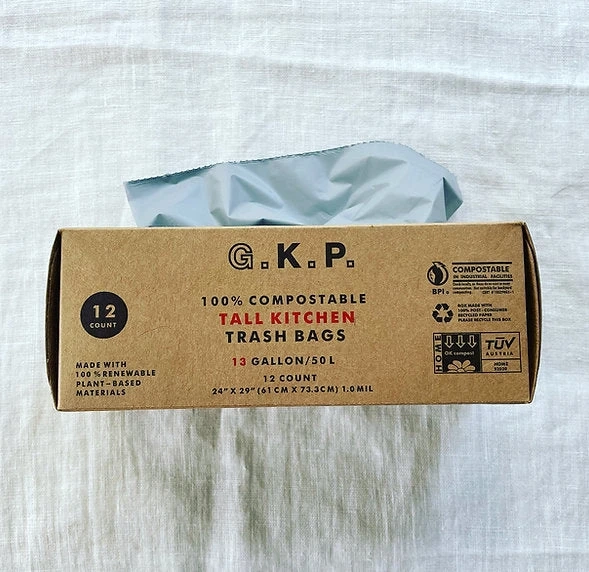
Two simple but impactful products to consider for a more sustainable lifestyle are compostable trash bags and a brush for vegetables. These items may seem minor, but they play an important role in reducing plastic use and improving personal health. Let's take a closer look at how these tools support a cleaner, greener home.
The Problem With Traditional Trash Bags
Most trash bags are made from plastic, which is designed to be durable and long-lasting. While that might seem helpful for holding waste, it becomes a major problem once the bag ends up in a landfill. Plastic bags can take hundreds of years to break down, and they often release microplastics into the environment as they degrade.
Even biodegradable plastic bags may not break down fully unless processed in specific industrial conditions. This means they often do not live up to their eco-friendly claims.
Why Choose Compostable Trash Bags?
Compostable trash bags are made from plant-based materials like cornstarch or potato starch. Unlike plastic, these materials are designed to break down naturally and safely in composting environments. When disposed of correctly, they turn into organic matter, leaving no toxic residue behind.
These bags are especially useful for collecting food scraps and other compostable waste, making them a smart choice for households looking to reduce landfill contributions.
Key Benefits of Compostable Trash Bags
- Eco-friendly materials: Made from renewable resources that decompose safely.
- No microplastics: Break down into natural components without harming soil or water.
- Safe for compost bins: Ideal for green waste, food scraps, and even some types of paper waste.
- Reduces landfill impact: Less plastic waste means fewer long-term environmental problems.
To make the most of compostable bags, store them in a cool, dry place and use them within their shelf life, as they can start to break down over time even when not in use.
How to Use Compostable Trash Bags Effectively
Not all waste is suitable for composting, so it's important to separate trash properly. Compostable bags work best when used for:
- Fruit and vegetable scraps
- Coffee grounds and filters
- Eggshells
- Garden trimmings
- Paper napkins or cardboard (if not coated in plastic)
Make sure you’re following local composting guidelines. Some cities offer curbside compost collection, while others may require at-home composting solutions.
Preparing Food the Right Way
Now let's shift from waste management to food preparation. Many people rinse fruits and vegetables under water before eating or cooking them. While rinsing helps, it may not remove all dirt, pesticides, or bacteria. That’s where a brush for vegetables becomes useful.
Why You Need a Brush for Vegetables
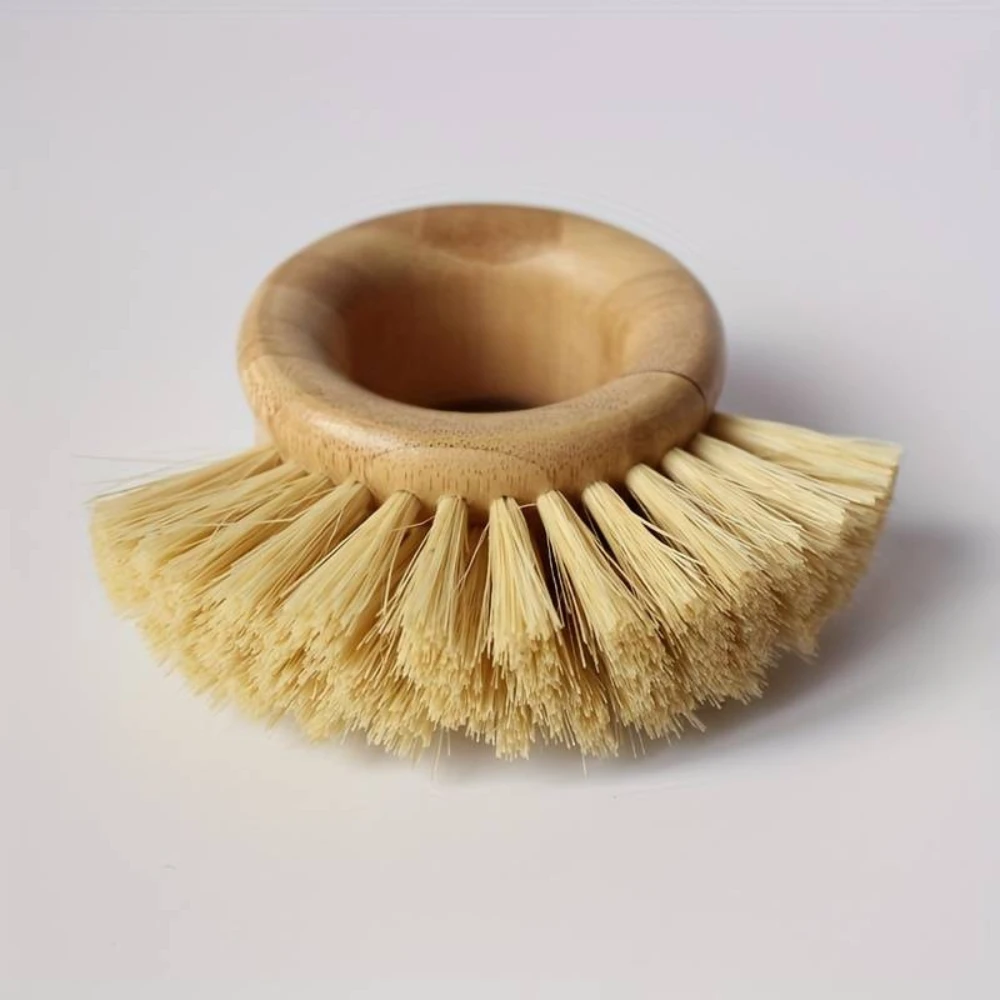
A brush for vegetables is a simple tool that helps clean produce more thoroughly. Instead of just washing with water, the brush gently scrubs away surface dirt and residues from items like potatoes, carrots, cucumbers, and apples. This is especially important for produce you eat with the skin on.
Types of Vegetables That Benefit From Brushing
- Root vegetables like potatoes, sweet potatoes, carrots, and beets
- Fruits with edible skin such as apples, pears, and peaches
- Vegetables like zucchini, cucumbers, and radishes
By using a dedicated brush, you not only get cleaner produce but also avoid peeling, which helps retain nutrients that are often just below the skin.
Features to Look For in a Good Vegetable Brush
When shopping for a vegetable brush, keep these points in mind:
- Natural bristles: Made from plant fibers, these are more eco-friendly and less abrasive.
- Ergonomic design: A handle that fits well in your hand makes brushing easier and more comfortable.
- Durability: A quality brush will last through many washes without falling apart.
- Easy to clean: Brushes should be rinsed and dried after each use to prevent mold or bacteria buildup.
Avoid brushes made from plastic if you're aiming for a more sustainable kitchen. Wood-handled brushes with natural bristles are a better option and can often be composted at the end of their life.
How to Use a Vegetable Brush
Using a brush for vegetables is simple. Follow these steps for best results:
- Rinse produce under cool running water
- Gently scrub the surface in a circular motion
- Focus on areas where dirt tends to collect
- Rinse again after brushing to remove any loosened particles
- Pat dry with a clean towel or let air dry before use
Using a brush is especially helpful when preparing organic produce, as even pesticide-free items can carry soil or bacteria from the farm.
Creating a Kitchen Routine That Works
Creating a more sustainable home does not mean doing everything at once. Start by focusing on two areas that make a big impact over time: how you manage waste and how you prepare food.
Here are two easy ways to begin:
- Switch to compostable trash bags for collecting food scraps and green waste. This reduces landfill waste and supports natural composting.
- Use a vegetable brush to clean produce more effectively, saving time and preserving nutrients.
These small changes require little effort but offer long-term rewards for both your home and the environment.
Making Better Choices Every Day
Sustainable living is not about perfection. It is about making better choices when possible and learning as you go. Products like compostable bags and vegetable brushes are tools that make the process easier and more efficient.
When you choose items made from renewable materials or designed to last, you are investing in a future that is healthier for the planet and the people living on it.
Conclusion
It’s easy to overlook the tools we use every day, but choosing the right ones can lead to more mindful habits and a more sustainable lifestyle. Switching to compostable trash bags reduces plastic waste and supports composting, while using a brush for vegetables improves the way you clean and prepare fresh food.
If you're ready to start your low-waste journey or upgrade your kitchen essentials, Mission Refill is a refilling store that offers environmentally friendly products designed to help reduce waste without sacrificing quality or convenience.