



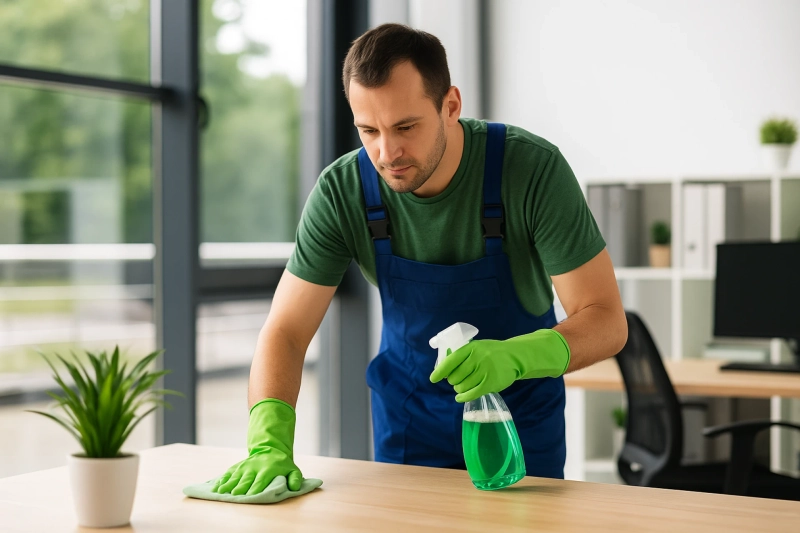
Sustainability has shifted from being a buzzword to a core business practice. Companies in every industry are rethinking how they operate, and commercial cleaning is no exception. More organizations are now demanding cleaning methods that not only keep their spaces spotless but also reduce their environmental footprint. This rising trend has placed Commercial Cleaning Projects at the centre of workplace health, safety, and sustainability conversations.
Why Sustainability Matters in Commercial Cleaning
Businesses are under increasing pressure to balance cleanliness with eco-conscious operations. Traditional cleaning products and processes, often reliant on harsh chemicals, consume significant water and energy, leaving a lasting impact on the environment. For employers, the shift towards sustainability also means healthier spaces for staff and customers. Cleaner air, reduced allergens, and toxin-free surfaces are directly linked to improved wellbeing and productivity.
For organizations looking to stay competitive, incorporating sustainable practices into commercial cleaning is no longer optional—it’s part of building trust with employees and clients. Companies featured in The OmniBuzz have often highlighted how operational decisions tied to sustainability resonate deeply with their audience.
The Rise of Eco-Friendly Cleaning in Business Environments
The movement toward greener workspaces has seen significant momentum in recent years. From offices and retail spaces to large-scale warehouses and healthcare facilities, managers are prioritizing sustainable cleaning contracts. Instead of bleach-heavy products, businesses now prefer biodegradable and non-toxic alternatives.
This change isn’t just about the environment—it’s also about reputation. Clients and customers are paying closer attention to how companies align with environmental values. A commitment to sustainability through commercial cleaning projects signals responsibility and modern thinking. As The OmniBuzz has noted in other features on workplace wellness, these practices create spaces that both people and the planet may benefit from.
Key Elements of Sustainable Commercial Cleaning Projects
Green Cleaning Products
One of the most noticeable shifts in commercial cleaning projects is the use of eco-friendly products. Non-toxic solutions reduce exposure to harmful chemicals, making workplaces safer for staff and visitors while reducing pollution.
Water and Energy Efficiency
Advanced equipment and methods focus on reducing resource consumption. Microfibre cloths, for example, require less water and detergent, while modern vacuum systems are designed to save power without compromising performance.
Waste Management and Recycling
Many cleaning providers now incorporate recycling into their routines. From responsible disposal of packaging to supporting client recycling programs, waste reduction is at the heart of sustainable cleaning.
Staff Training and Safety
For sustainable cleaning to be effective, teams must be properly trained. Staff learn not only how to use eco-friendly products but also how to work efficiently while maintaining high safety standards.
If you’d like to see these principles in practice, a visit to CJM Cleaning for trusted projects highlights real-world examples of sustainable outcomes delivered in different environments.
Case Examples: Impact of Green Cleaning on Workplaces
Workplaces that have embraced green cleaning methods often report significant improvements. Cleaner indoor air reduces asthma and allergy triggers, while toxin-free surfaces minimize exposure to harmful residues. Some offices have even noticed reductions in staff absenteeism, as a healthier workplace translates into better productivity.
Schools, hospitals, and shopping centres also benefit. In these high-traffic environments, sustainable cleaning maintains hygiene standards without compromising the health of vulnerable groups such as children or patients.
These results show that green cleaning isn’t just an ethical choice—it has measurable business value.
Challenges of Implementing Sustainable Cleaning at Scale
Despite the advantages, sustainable cleaning comes with its share of challenges. Eco-friendly products are sometimes more expensive upfront, which may discourage cost-sensitive businesses. Transitioning requires staff retraining, investment in new equipment, and consistent monitoring to ensure compliance with both safety and environmental standards.
Another hurdle lies in perception. Some still believe that green products are less effective than traditional ones, even though today’s biodegradable solutions are designed to meet and often exceed industry benchmarks. Overcoming these barriers requires awareness, transparency, and visible case studies.
The Long-Term Business Benefits of Sustainable Cleaning
While the initial costs may be higher, the long-term gains of sustainable commercial cleaning projects are clear. Reduced water and energy bills cut operating costs over time, while staff working in healthier spaces report greater satisfaction and morale. Businesses also strengthen their reputations by aligning with eco-conscious practices, making them more attractive to partners, investors, and customers.
There are regulatory incentives too. By meeting green standards, organizations avoid compliance issues and position themselves as leaders in corporate responsibility. When combined, these benefits make sustainability a strategic investment rather than a short-term expense.
How Businesses Can Get Started with Sustainable Cleaning
For organizations eager to implement eco-conscious cleaning, the journey begins with an audit of current practices. Identifying wasteful processes, evaluating products, and setting clear goals may provide a foundation for change.
Next, businesses should consider phasing in eco-friendly products and equipment while working closely with cleaning partners experienced in sustainable projects. Regular training for cleaning staff ensures protocols are properly followed.
To see how this can be achieved in practice, look at CJM Cleaning for trusted projects, where sustainability and results come together to meet modern business demands.
Conclusion: Shaping a Cleaner, Greener Future
Commercial cleaning projects play a vital role in how businesses respond to environmental responsibility. By adopting sustainable practices, companies not only protect the planet but also create healthier, safer, and more productive workspaces.
The push toward green cleaning is more than a trend—it’s a shift that sets the standard for the future of workplace management.