



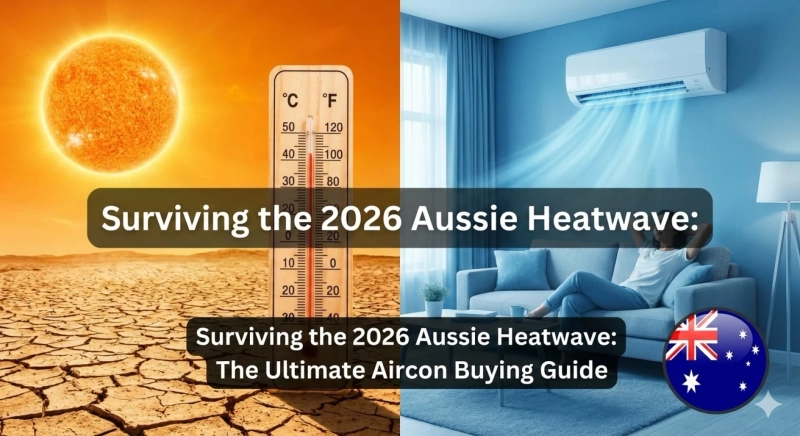
Let’s be honest: when the Australian summer really kicks into gear and temperatures across the country start pushing past 40°C, a reliable cooling system isn’t a luxury—it’s a survival tool. The 2026 heatwaves have already proven intense, leaving many homeowners realizing their old units simply aren't up to the task anymore. The challenge isn't just staying cool; it’s doing so without dreading the arrival of your next electricity bill. This is where the expertise of Australian energy specialists like Cyanergy becomes invaluable. Rather than just selling boxes, they focus on helping households transition from outdated, power-hungry cooling methods to modern, energy-efficient solutions. By understanding the unique demands of the local climate, they ensure your home remains a sanctuary without draining your bank account during peak demand periods.
Why the Sudden Rush for "Aircon"?
If it feels like everyone you know is suddenly talking about their "Aircon," it’s not just the heat—it’s the economics. We are seeing a massive peak in interest this year because many Australians are nursing cooling systems that are over ten years old.
In the past, an older Air Conditioner used "fixed-speed" technology. It would blast at 100% power until the room was freezing, shut off completely, and then blast again when the room heated up. This stop-start process is incredibly energy-intensive. Modern units use "inverter" technology, which acts like the cruise control in your car. It gently adjusts the power output to maintain a steady temperature, using significantly less electricity. If your current unit sounds like a jet engine taking off every twenty minutes, it’s time for an upgrade.
The Buying Guide: Sizing is Everything
Before you even look at brands, you need to understand sizing. The most common mistake people make when buying a new Air Conditioner is guessing the capacity they need.
If you buy a unit that is too small (undersized kW), it will run continuously at maximum output and never truly cool the space, leading to premature motor failure and huge bills. If you buy one that is too big (oversized kW), it will cool the room too quickly and shut off before it has removed the humidity, leaving the air feeling cold but damp and clammy.
A professional assessment is always best, but generally speaking:
- Small bedrooms: Look for 2.0kW – 2.5kW.
- Master bedrooms or small lounges: 3.5kW – 5.0kW is usually sufficient.
- Large, open-plan living areas: You will likely need 7.0kW or more.
Choosing Your Hardware: Split vs. Ducted
Once you have an idea of size, you need to decide on the delivery method. Are you just trying to cool the main living area where the family gathers, or do you need climate control in every bedroom for a good night's sleep?
- Split Systems: These are the most popular choice in Australia. They are relatively easy to install, cost-effective for single zones, and highly efficient.
- Ducted Systems: This is the whole-home solution. Modern ducted systems offer "smart zoning," allowing you to turn off cooling in unoccupied rooms from your phone.
Because the technology moves so fast, it’s important to see what current models are actually capable of. Before making a final decision on the type of setup you want, it is incredibly helpful to browse through a selection of modern, high-efficiency Aircon systems and configurations. Seeing the specifications helps you understand the difference between a basic model and a high-star-rated unit designed for the 2026 climate.
The Game Changer: 2026 Government Rebates
Here is the most important part of this buying guide: do not pay full price if you don't have to.
Both state and federal governments in Australia are actively encouraging homeowners to replace inefficient appliances to reduce strain on the energy grid. In states like Victoria and New South Wales, programs exist that offer substantial rebates for upgrading from old gas heaters or inefficient electric coolers to modern reverse-cycle air conditioning.
The catch is that navigating eligibility can be tricky. The amount you get back depends on your location, your existing setup, and the efficiency rating of the new unit. Instead of trying to decode government websites yourself, the smartest approach is to get a tailored assessment. The easiest way to start this process is to fill out a dedicated Air conditioner system inquiry and rebate check form.
How to use this form effectively: When you go to fill this out, grab your most recent electricity bill. You will typically need to enter your postcode and details about what you are currently using to cool your home. By providing this information upfront, experts can calculate exactly which subsidies apply to you, potentially knocking thousands off the upfront cost of a fully installed system.
Installation Matters
Finally, remember that a great Air Conditioner installed poorly will perform like a bad one. Ensure your installer is licensed (ARCtick certified). They should know to place the outdoor condenser unit in a shaded, well-ventilated area if possible. If that outdoor unit is baking in the direct western sun, it has to work much harder to shed heat, lowering its efficiency.
While you're focused on keeping cool, don't forget your mobile sanctuary either. The commute is often the hottest part of the day. If you drive popular Australian vehicles like a Mitsubishi Outlander or Toyota Hilux, ensure your car's cabin filters are clean. A clogged cabin filter in your car strains the AC system and burns more fuel, just like a dirty filter at home strains your electricity meter.