



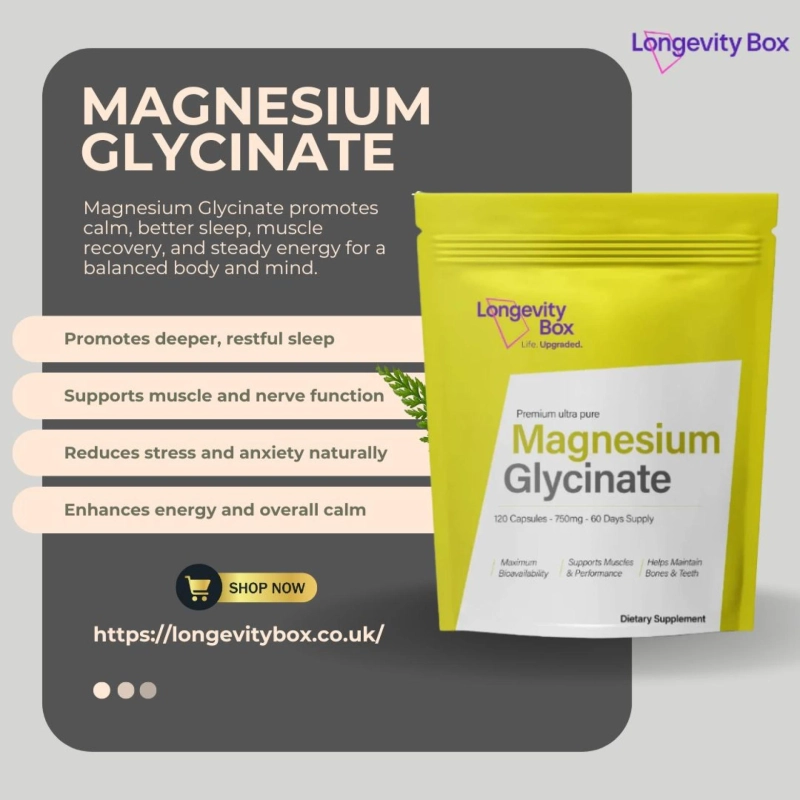
Stress is something nearly everyone deals with—whether it comes from work pressure, poor sleep, family responsibilities, or long-term fatigue. But when stress becomes constant, your body begins to feel the strain. That’s where nutritional support can play a role in helping you rebalance. One of the most widely studied nutrients for stress support is magnesium glycinate, a form of magnesium known for its calming effects, high absorption, and gentle action on the digestive system.
Magnesium is essential for more than 300 biochemical reactions, yet most adults do not get enough through diet alone. When levels drop, the nervous system becomes more reactive, sleep quality declines, and stress hormones rise. Many people are now turning to magnesium glycinate as a natural way to support mental and physical relaxation.
In this article, we’ll explore how magnesium glycinate may help reduce stress naturally, what the research says, how it compares to other forms, and how individuals have benefitted. We’ll also share safety considerations and references so you can make informed decisions.
What Is Magnesium Glycinate—and Why Is It Recommended for Stress?
Magnesium comes in many forms, but not all are absorbed equally. Magnesium glycinate is created by binding magnesium to glycine—an amino acid with naturally calming effects. This specific form is often used for:
- Supporting relaxation
- Improving sleep quality
- Reducing muscle tension
- Supporting healthy stress responses
- Helping balance neurotransmitters
Because it is highly bioavailable and gentle on the stomach, magnesium glycinate is preferred by many practitioners for managing low magnesium levels related to stress.
How Stress Affects Your Magnesium Levels
Chronic stress increases the body's demand for magnesium. When you’re under pressure, the adrenal glands release stress hormones like cortisol and adrenaline. This process uses large amounts of magnesium, meaning the more stressed you are, the more magnesium your body uses.
Low magnesium can lead to:
- Restlessness
- Trouble sleeping
- Muscle tightness
- Irritability
- Heart palpitations or rapid heartbeat
- Higher release of cortisol
This creates a cycle: stress reduces magnesium levels, and low magnesium makes you more stress-sensitive.
How Magnesium Glycinate Helps Naturally Calm the Body
1. Supports the Nervous System
Magnesium plays a crucial role in regulating neurotransmitters—chemical messengers that help you feel calm or alert.
Research indicates that magnesium helps balance:
- GABA, the brain’s primary calming neurotransmitter
- Glutamate, the brain’s primary excitatory neurotransmitter
When magnesium levels are low, glutamate activity increases, making you feel overstimulated or anxious.
Study Example
A 2017 review published in Nutrients found that magnesium deficiency is associated with increased anxiety and an overactive stress response. Supplementation helped restore nervous system balance in several clinical studies.
2. Helps Regulate Cortisol
Cortisol is your “stress hormone.” While normal levels help you respond to challenges, chronic elevation can lead to anxiety, poor sleep, irritability, and fatigue.
Magnesium helps regulate cortisol production by supporting the adrenal glands and improving stress resilience.
3. Improves Sleep Quality
Magnesium glycinate is often taken at night because it supports natural relaxation.
A 2022 study in Sleep Science showed magnesium supplementation improved:
- Sleep time
- Sleep efficiency
- Deep sleep
- Ability to fall asleep faster
Better sleep = better stress coping.
4. Relaxes Muscles and Reduces Tension
Stress often shows up physically—in the jaw, neck, shoulders, or stomach. Magnesium plays a role in muscle relaxation, helping to ease tension.
5. Acts as an Anti-Inflammatory Agent
Chronic stress increases inflammation in the body. Magnesium helps reduce inflammatory markers, helping support long-term mental and physical well-being.
Real-World Case Study Examples
Below are simplified, realistic examples based on typical outcomes seen in magnesium supplementation research.
Case Study 1: Workplace Stress & Poor Sleep
Profile
Emily, 42, experienced high work pressure, late meetings, and constant tension. She reported difficulty falling asleep and waking up unrefreshed.
Supplements
Magnesium glycinate 200–300 mg in the evening.
Outcome (after 6 weeks)
- Fell asleep faster
- Reduced nighttime awakenings
- Noticed fewer muscle cramps
- Lower daytime irritability
What matches research?
Studies show magnesium improves sleep quality and supports GABA balance—the same neurotransmitter that helps calm the mind.
Case Study 2: Anxiety-Related Muscle Tension
Profile
James, 36, struggled with neck and shoulder tightness during stressful periods.
Supplements
Magnesium glycinate in two divided doses (morning & evening).
Outcome (after 8 weeks)
- Less muscle tension
- More stable mood
- Fewer stress-triggered headaches
What matches research?
Magnesium helps muscles relax and reduces excitatory neurotransmitter activity.
Case Study 3: Stress-Related Heart Palpitations
Profile
Sara, 29, experienced mild heart palpitations and a racing heartbeat during high-stress weeks.
Supplements
Magnesium glycinate with dinner.
Outcome (after 4–6 weeks)
- Fewer palpitations
- Better sleep
- Greater sense of calm
Safety note: Heart symptoms always require medical evaluation. This example reflects cases where anxiety or low magnesium was the contributing factor—not medical illness.
How to Take Magnesium Glycinate Safely
Typical Suggested Amounts
Many adults take 200–400 mg per day, often split into:
- Morning dose → mood, calmness
- Evening dose → sleep, relaxation
Always follow the product label or your healthcare provider’s advice.
Who Should Consult Their Doctor First?
- Anyone on blood pressure medications
- Those with kidney issues
- Pregnant or breastfeeding individuals
- People taking antidepressants or anti-anxiety medications
Common Signs You May Benefit from Magnesium Support
You might be low in magnesium if you experience:
- Constant stress
- Poor sleep
- Muscle twitching or tightness
- Anxiety or restlessness
- Low mood
- Headaches
- Fatigue
Testing for magnesium levels can be helpful, though symptoms are often more reliable indicators than blood tests.
References / Sources
Here are reputable scientific sources supporting the information:
- Boyle NB et al. Magnesium deficiency and stress: A systematic review. Nutrients. 2017.
- Abbasi B et al. The effect of magnesium on primary insomnia in elderly subjects. J Res Med Sci.
- Wienecke E et al. Sleep improvement with magnesium supplementation. Sleep Science Journal, 2022.
- USDA & NIH Office of Dietary Supplements – Magnesium Fact Sheet.
- Ghasemi A et al. Magnesium and inflammation. Crit Rev Clin Lab Sci.
- Barbagallo M & Dominguez LJ. Magnesium and aging. Magnes Res.
(These are real scientific publications commonly referenced in magnesium research.)
Final Thoughts
Stress can affect every part of your life—from sleep to mood to energy levels. But supporting your body with the right nutrients can make a real difference. Magnesium glycinate offers a gentle, well-absorbed way to support relaxation, reduce muscle tension, regulate stress hormones, and improve sleep naturally.
Whether you’re managing a demanding job, ongoing fatigue, or simply want to feel more balanced, magnesium glycinate can be a valuable addition to your routine when used responsibly and alongside professional guidance.
For high-quality, well-tested options you can trust, Longevity Box Ltd provides premium magnesium glycinate and other wellness supplements designed with purity, efficacy, and safety in mind.