



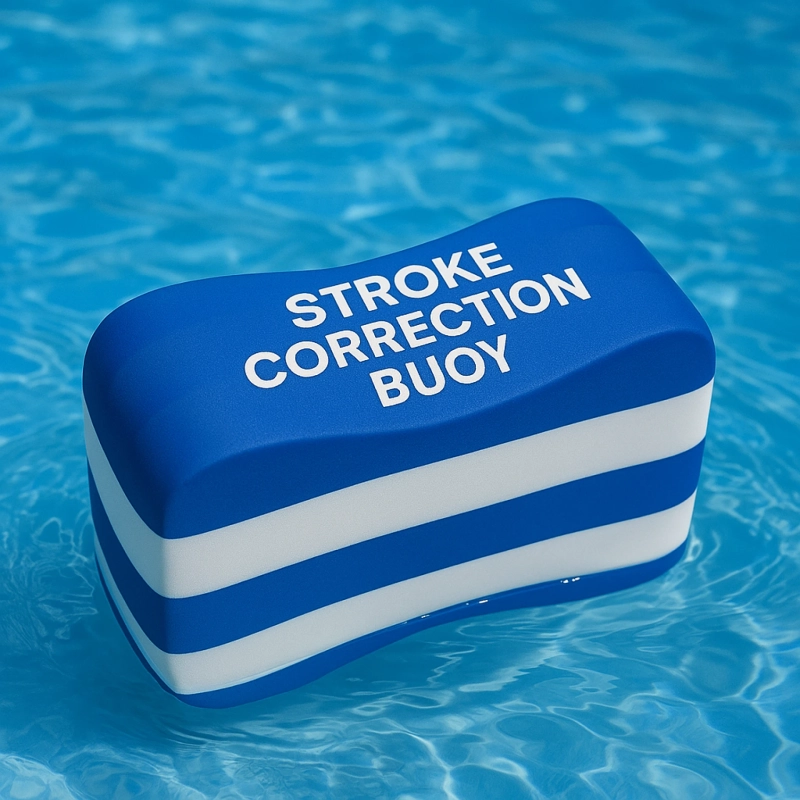
Swimming is a skill that combines strength, technique, and rhythm. Whether you're a beginner or an experienced swimmer, achieving a perfect stroke can be challenging. That's where the "Stroke Correction Buoy" comes into play. A stroke correction buoy is a powerful tool designed to help swimmers improve their stroke technique, body alignment, and overall performance in the water. It is especially beneficial for those who want to eliminate common swimming flaws such as cross-over, poor body position, and incorrect pull patterns.
This article will explore the stroke correction buoy in detail. We’ll explain what it is, how it works, and why it's becoming a must-have tool for swimmers and coaches. You'll learn about its benefits, how to use it properly, and how it can transform your swimming skills in a short time.
What Is a Stroke Correction Buoy?
A stroke correction buoy is a specially designed training device that helps swimmers develop a proper stroke technique. Unlike traditional pull buoys that only provide flotation for the legs, this buoy is crafted to correct body rotation, improve posture, and enhance the arm movement during the swim.
The buoy is usually placed between the thighs and helps isolate the upper body, allowing swimmers to focus on their arm movement and breathing technique. Some advanced stroke correction buoys are shaped to restrict crossing over, ensuring that your hands enter the water correctly.
One of the standout features of a stroke correction buoy is its ability to provide immediate feedback. As soon as your stroke deviates from the correct path, the buoy creates resistance or misalignment, encouraging you to adjust. This makes it a real-time coach that guides you toward better swimming habits.
Many professional swim coaches recommend this tool for both freestyle and backstroke swimmers. It not only helps beginners learn proper form but also helps advanced swimmers fine-tune their technique. In short, it's a simple yet effective tool that every swimmer should consider adding to their training routine.
How Stroke Correction Buoy Improves Technique
Using a stroke correction buoy regularly can significantly improve your swimming technique. One of the primary benefits is that it helps correct body position. Many swimmers struggle with sinking hips or wobbly rotations, and this buoy ensures that your body stays aligned from head to toe.
It also encourages proper hand entry. With a well-designed stroke correction buoy, crossing over becomes nearly impossible. This teaches your body the muscle memory needed for correct arm placement, which is essential for efficiency and speed in the water.
Another important advantage is improved core engagement. When you can't rely on kicking, your core takes over to maintain balance and stability. Over time, this leads to better body awareness and stronger swimming posture.
Swimmers also experience improved breathing patterns. Since your head and body are aligned, breathing becomes more natural and less forced. This reduces drag and allows for a smoother swim.
Finally, it sharpens your focus. Because the buoy isolates certain aspects of your stroke, you become more aware of your movements and can easily spot and correct errors. This mindfulness leads to long-term improvement in swimming performance.
Proper Way to Use the Buoy
To get the most out of a stroke correction buoy, it’s important to use it properly. Start by positioning the buoy snugly between your thighs. It should not move or slip while you swim. If the buoy has grooves or notches, align them according to your body size.
Begin with short sets so you can get used to the buoy's feel. Focus on keeping your head still and looking down while swimming. Your body should remain flat, and your hips should not sink. Engage your core and avoid excessive twisting.
Next, concentrate on your hand entry. Make sure your arms are moving forward in a straight line and entering the water shoulder-width apart. Avoid crossing your hands over the center line, as this causes imbalance and drag.
It’s also a good idea to alternate your sets. Swim one set with the buoy and one without it. This helps you feel the difference and adapt the improvements to your regular stroke.
Lastly, make sure you warm up properly before using the buoy and cool down afterward. Using it too much without breaks can cause muscle fatigue. So, balance is key.
Benefits of Stroke Correction Buoy
The stroke correction buoy offers a wide range of benefits. First and foremost, it helps improve stroke efficiency. By guiding your arms and body into the correct position, it reduces drag and boosts your swimming speed.
Another big benefit is injury prevention. Poor technique often leads to shoulder injuries, especially among competitive swimmers. The buoy encourages a natural movement path, which protects your joints and muscles.
It’s also excellent for building endurance. Since you’re not kicking, your upper body has to work harder, which improves strength and stamina. Over time, this translates into better overall performance.
Coaches love this tool because it provides instant feedback. If a swimmer starts to fall into bad habits, the buoy makes it immediately noticeable. This allows for quick correction and faster learning.
The buoy is also suitable for swimmers of all levels. Whether you're just starting or you're preparing for a competition, you can use it to refine your skills and gain an edge in the water.
Lastly, it's lightweight, portable, and easy to use. You can carry it in your swim bag and use it during any practice session. It’s an affordable tool that offers high value for serious swimmers.
Choosing the Right Buoy Model
Not all stroke correction buoys are created equal. Choosing the right model depends on your skill level, goals, and body size. For beginners, a soft and medium-sized buoy is usually best. It provides enough support without being too restrictive.
For advanced swimmers, there are specialized buoys that offer targeted resistance and specific body alignment features. Some even come with straps or ridges to prevent slippage and enhance comfort during longer training sessions.
Material also matters. Most buoys are made of EVA foam or a similar soft, durable material. Make sure it’s non-slip and chlorine-resistant so it lasts longer.
Consider the shape as well. Some stroke correction buoys have a figure-eight design, while others are more angular to provide additional control. Test a few if possible to see what works best for your swimming style.
Don’t forget to check for coach recommendations and swimmer reviews. A good buoy should help you feel the correction without discomfort. If you feel pain or strain, it might not be the right fit.
Investing in a high-quality buoy ensures consistent results and long-term improvement. Think of it as an investment in your swimming journey.
Common Mistakes to Avoid
While using a stroke correction buoy is simple, there are some common mistakes that swimmers should avoid. One major mistake is relying on the buoy too much. Overuse can lead to poor kicking habits and lack of leg strength. Use it as a tool, not a crutch.
Another common error is improper placement. If the buoy isn’t snug between your thighs, it can slip, causing instability and poor alignment. Always ensure it’s securely positioned before starting your swim.
Swimmers also tend to ignore core engagement. Even with the buoy, you need to actively use your core muscles to maintain proper posture. Don’t become too relaxed.
Some people forget to monitor their breathing technique. With a buoy, it's easy to focus solely on the arms, but breathing rhythm is just as important. Practice breathing on both sides to balance your stroke.
Also, avoid long sessions when you’re just starting. Use the buoy in short intervals to avoid fatigue and to help your body adjust gradually.
Lastly, don’t skip feedback. Ask your coach or a fellow swimmer to watch your form. Even small corrections can lead to big improvements over time.
Conclusion
The stroke correction buoy is more than just a swimming accessory—it's a powerful training tool that can help swimmers of all levels improve their stroke, posture, and overall performance. Whether you’re training for a competition or learning the basics, this buoy can make your practice more effective and efficient.
By understanding how to use it properly and avoiding common mistakes, you’ll see real progress in your swimming technique. The key is consistency, mindfulness, and a willingness to learn.
If you’re serious about becoming a better swimmer, the stroke correction buoy is a smart investment. It's simple, affordable, and delivers results. So next time you hit the pool, don’t forget to take your buoy with you!
Frequently Asked Questions (FAQs)
Q1. What makes a stroke correction buoy different from a regular pull buoy?
A stroke correction buoy is specially designed to help improve technique and alignment, not just to support the legs. It often has shapes and ridges that guide proper hand entry and body rotation.
Q2. Can beginners use a stroke correction buoy?
Yes, beginners can benefit greatly. It helps them learn the correct posture and arm movement early in their training.