



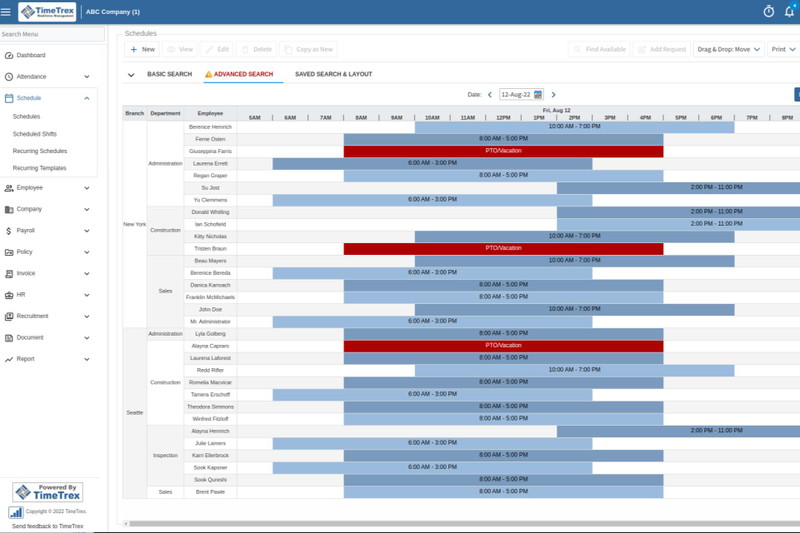
Running a nonprofit organization comes with its unique set of challenges. From managing limited budgets to ensuring accountability, nonprofit leaders often need to find creative solutions to optimize operations without compromising their mission. Among the many aspects of organizational management, tracking staff productivity and ensuring accurate payroll processing are crucial. This is where time and attendance for non profits plays a transformative role. Proper workforce tracking not only saves valuable resources but also improves transparency, efficiency, and employee satisfaction.
Why Accurate Time Tracking Matters in Nonprofits
Nonprofit organizations rely heavily on both paid staff and volunteers. Unlike for-profit companies that can easily allocate large sums to payroll and administrative functions, nonprofits must balance limited resources. Accurate time tracking ensures that:
- Employees are paid fairly – Errors in payroll can reduce trust and lead to dissatisfaction among employees.
- Volunteers are valued – Proper attendance records help recognize volunteer contributions, which are often overlooked.
- Compliance is maintained – Many nonprofits are required to comply with labor laws, grants, or donor reporting standards. Timekeeping systems help in maintaining the necessary records.
- Resource allocation improves – By analyzing attendance data, leaders can identify where staff hours are being spent and adjust priorities accordingly.
Without a reliable system, nonprofits risk wasting both money and time—two resources they can least afford to lose.
Benefits of Implementing a Time and Attendance System
Investing in a structured workforce management solution might seem like an unnecessary cost for nonprofits, but the benefits far outweigh the expenses. Some key advantages include:
- Enhanced Accuracy – Automated systems significantly reduce errors that come with manual time entry.
- Better Reporting – Real-time data allows leaders to make informed decisions about staffing needs, volunteer scheduling, and project timelines.
- Increased Transparency – Nonprofits often rely on donor funds, and transparent reporting of staff and volunteer hours can build donor confidence.
- Operational Efficiency – Staff can focus more on mission-driven tasks rather than administrative duties when time tracking is streamlined.
- Fair Workload Distribution – Tracking attendance helps prevent burnout by ensuring no team member is overburdened.
Challenges Nonprofits Face Without Proper Time Management
When nonprofits fail to adopt efficient time and attendance solutions, several issues can arise:
- Payroll Discrepancies – Manual systems increase the chances of human error.
- Volunteer Mismanagement – Volunteers may feel undervalued if their hours are not tracked or recognized.
- Difficulty in Grant Reporting – Many grants require detailed breakdowns of staff and volunteer contributions. Without accurate records, organizations may risk losing funding.
- Decreased Productivity – Lack of accountability often leads to inefficiencies, missed deadlines, and poor project execution.
By recognizing these challenges, nonprofits can understand the necessity of adopting systems that better monitor and manage their workforce.
Choosing the Right Time and Attendance Solution
Selecting a system for time and attendance for non profits requires careful consideration. Unlike corporations, nonprofits must ensure that every investment is cost-effective and mission-driven. When choosing a solution, leaders should look for:
- Affordability – Cloud-based systems often offer affordable subscription models.
- Ease of Use – Both staff and volunteers should be able to use the system without complex training.
- Scalability – As the organization grows, the system should adapt to handle more staff and volunteers.
- Integration Capabilities – It should integrate with payroll, HR, and accounting software for seamless operations.
- Mobile Accessibility – Many nonprofit teams work remotely or on-the-go; a mobile-friendly system ensures flexibility.
How Nonprofits Can Maximize the Use of Attendance Data
Once implemented, the data collected from these systems should not just sit idle. Nonprofits can use it to:
- Identify Trends – Determine peak volunteer times, staff absences, or overtime patterns.
- Plan Efficiently – Schedule projects based on when volunteers and staff are most available.
- Report to Donors – Share attendance and productivity insights to demonstrate effective use of resources.
- Improve Retention – Recognize and reward loyal volunteers and dedicated employees based on their consistent attendance.
Future of Time Tracking in Nonprofits
Technology continues to evolve, offering nonprofits better and more affordable tools. Artificial intelligence and automation are making timekeeping systems smarter, while cloud-based solutions reduce costs and increase accessibility. Future systems may include:
- AI-driven workforce predictions to help plan staffing needs.
- Biometric attendance tracking for enhanced accuracy.
- Integrated volunteer recognition features to reward contributions in real-time.
By staying ahead of these trends, nonprofits can position themselves to run more efficiently and attract greater donor trust.
Final Thoughts
For nonprofits, efficiency and accountability are key to sustaining their mission. Managing staff and volunteers effectively ensures that every dollar and every hour contributes to making a meaningful impact. Implementing systems for time and attendance for non profits is not merely about tracking hours—it’s about empowering organizations to optimize their workforce, build trust with donors, and provide greater value to the communities they serve.