



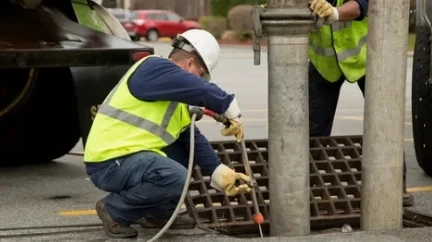
Storm drain cleaning and backflow testing are two highly important services that protect homes, businesses, and communities from serious plumbing hazards. While they operate in different areas of your plumbing system, both play essential roles in maintaining proper water flow, preventing contamination, and avoiding costly damage. Whether you're a property owner, facility manager, or real estate investor, understanding these services helps you keep your water systems efficient, safe, and compliant with local regulations.
In this article, we’ll break down why storm drain cleaning and backflow testing matter, how they work, the signs you need service, and what you can expect from a professional contractor.
Why Storm Drain Cleaning Matters
Storm drains are designed to control rainwater and prevent flooding. They connect the outdoor areas of your property to larger underground drainage systems, allowing rainwater to safely flow away. But over time, these drains can become clogged with debris, such as:
- Leaves
- Dirt and soil
- Trash
- Sediment and sludge
- Tree roots
- Oils and chemicals
- Construction debris
When a storm drain becomes clogged, it cannot handle heavy rainfall, leading to issues like standing water, erosion, pest attraction, and even structural damage.
Benefits of Regular Storm Drain Cleaning
Keeping your storm drains clean provides several long-term benefits:
1. Prevents Flooding
A blocked storm drain is one of the biggest causes of outdoor flooding. Regular cleaning ensures water flows freely, reducing the risk of floods around your property.
2. Protects Driveways, Parking Lots & Landscaping
Water pooling can damage asphalt, weaken soil, and ruin landscaping. Clean drains help preserve your outdoor areas and reduce maintenance costs.
3. Avoids Costly Repairs
Ignoring a clogged storm drain can lead to pipe damage, erosion, mold, and driveway cracking. Preventive maintenance is far cheaper than repair work.
4. Improves Water Quality
Storm drains often carry runoff to local waterways. Cleaning prevents trash, chemicals, and oils from contaminating lakes, rivers, and streams.
5. Meets Local Property and Safety Regulations
Many cities require commercial properties to maintain clean, functional stormwater systems. Routine cleaning helps you stay compliant.
How Storm Drain Cleaning Works
Professional drain cleaners use specialized equipment to inspect, clear, and flush the drainage system. The process typically includes:
1. Camera Inspection
A waterproof camera helps identify clogs, damage, and hidden blockages deep inside the drain line.
2. High-Pressure Hydro Jetting
Hydro jetting uses high-pressure water to break apart debris, flush out sludge, and restore the pipe to a clean, free-flowing condition.
3. Vacuum Removal
Industrial vacuum trucks suck out large amounts of debris, sediment, and standing water from catch basins and pipes.
4. Root Removal (If Needed)
If tree roots have invaded the line, cutting and clearing tools remove the roots without damaging the pipes.
5. Final Flow Test
Professionals run water through the system to ensure the drain operates efficiently.
Routine storm drain cleaning should be done at least once per year, or more frequently for properties in high-debris or heavy-rainfall areas.
Backflow Testing: Protecting Your Drinking Water
Backflow testing is equally important—but it protects your indoor plumbing and drinking water rather than your outdoor drainage system.
Backflow occurs when contaminated water flows backward into your clean water supply. This can be caused by:
- Sudden drops in water pressure
- Burst pipes
- Malfunctioning valves
- Fire hydrant use nearby
- Cross-connections between potable and non-potable systems
Backflow can introduce chemicals, fertilizers, sewage, and bacteria into your drinking water, posing serious health risks.
What Is a Backflow Prevention Device?
A backflow prevention device is a mechanical assembly installed on your water line. Its job is to allow water to flow in only one direction—into your property—and prevent contaminated water from entering the main supply.
Common backflow devices include:
- RPZ (Reduced Pressure Zone) assemblies
- Double Check Valves
- Pressure Vacuum Breakers
- Atmospheric Vacuum Breakers
These devices must be tested annually by a certified backflow tester to ensure they are working properly.
Why Backflow Testing Is Important
Regular backflow testing offers several crucial benefits:
1. Protects Water Quality
Testing ensures your drinking water remains clean, safe, and free from contaminants.
2. Prevents Health Risks
Backflow can introduce bacteria, pesticides, chemicals, and waste into your water system. Testing eliminates risks before they occur.
3. Required by Law
In most states and municipalities, annual backflow testing is required for commercial and many residential properties. Failure to comply can result in fines.
4. Prevents System Failure
Testing helps detect worn-out parts, broken valves, and pressure issues before they cause expensive repairs.
5. Peace of Mind
Knowing your water supply is protected keeps your family, employees, and customers safe.
How Backflow Testing Works
A licensed backflow tester follows a detailed process:
1. Shut Off Water
The tester temporarily shuts off the water supply to inspect the device safely.
2. Inspect the Device
They check valves, seals, springs, and relief mechanisms for proper operation.
3. Pressure Testing
Special gauges measure water pressure to ensure the system maintains correct flow direction.
4. Identify and Repair Issues
If the device fails the test, repairs or replacement parts will be recommended immediately.
5. Submit Certification
A completed report is sent to the local water authority to confirm compliance.
Storm Drain Cleaning vs. Backflow Testing: How They Protect Your Property
Although these services are different, they share one important purpose: protecting your property from water-related hazards.
Service
What It Protects
Main Benefit
Storm Drain Cleaning
Outdoor drainage systems
Prevents flooding, erosion, and water damage
Backflow Testing
Indoor potable water supply
Protects drinking water from contamination
Both services work together to ensure your property is safe, healthy, and compliant with local regulations.
Signs You Need Storm Drain Cleaning or Backflow Testing
🚨 Signs You Need Storm Drain Cleaning
- Water pooling around drains
- Slow drainage in parking lots or driveways
- Bad odors from the drain
- Visible debris buildup
- Drain backups during rain
- Flooding near curbs or landscaping
🚨 Signs You Need Backflow Testing
- Bad-tasting or discolored water
- Drop in water pressure
- Visible sediment in your water
- Backflow device leaking or dripping
- It’s been over a year since your last test
Final Thoughts
Storm drain cleaning and backflow testing are essential services that protect your property from water damage and keep your water supply safe. Whether you own a home, manage a commercial facility, or oversee a large property, routine maintenance helps prevent costly problems before they happen.
By investing in professional storm drain cleaning and backflow testing, you ensure:
- Reliable water flow
- Protection from contamination
- Compliance with local laws
- A safer, cleaner environment
Regular maintenance isn’t just good practice—it’s a smart investment in the longevity and safety of your property.