



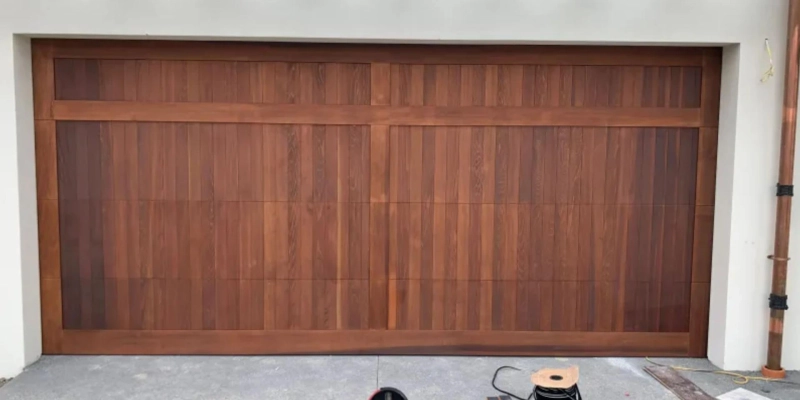
Stop! Don’t buy a new garage door just yet. Many homeowners across New Zealand are surprised to learn that the “old” or “broken” door they are ready to replace can often be restored, upgraded, or reconfigured for a fraction of the cost of a full replacement. This NZ‑specific hack is all about understanding what can be repaired, what can be retrofitted, and when a smarter fix can deliver the same results as a brand‑new door.
Why You Don’t Always Need a New Door
Most people decide they need a new door after one of three things happens: the door stops working, it looks tired and dated, or a quote for repairs makes replacement sound tempting. In reality, many structural panels and frames are still solid, even if the hardware or opener has failed. Often, the problem lies with springs, hinges, tracks, or electronics rather than the door itself. A targeted fix can restore smooth operation and extend the life of your existing system for years.
Cosmetic issues are another common trigger for replacement. Faded paint, minor dents, or chipped edges can make a door look ready for the skip, but modern refinishing, panel swaps, and hardware upgrades can dramatically change the appearance without a full tear‑out. Think repainting in a fresh colour, adding new handles, or fitting decorative trims that match the rest of your home’s exterior.
The NZ Hack: Start With a Smart Assessment
The real hack is to treat your door like any other long‑term asset in your home. Before you commit to replacement, get a thorough assessment from a local specialist who understands New Zealand conditions—high coastal winds, salty air, and changeable weather patterns. These factors can wear out components faster, but they do not always mean the door is beyond saving.
During an assessment, a professional will check:
- Balance and tension of the springs
- Condition of rollers, hinges, brackets, and tracks
- Integrity of the panels and frame
- Performance of the opener, safety sensors, and controls
- Weather seals and insulation performance
If most of these elements are sound or repairable, you are very likely better off repairing or upgrading rather than replacing.
When Repair Beats Replacement
There are several scenarios where repair is not only cheaper but also more sensible:
- The door is relatively new but stuck or noisy
- Only one or two panels are damaged
- The opener fails while the door itself is still solid
- The door is cosmetically dated but structurally fine
In these cases, targeted fixes such as spring replacement, track realignment, opener upgrades, or panel swaps can restore full function. For many homes, this work costs significantly less than a full replacement and takes less time, meaning less disruption to your daily routine.
For sectional or tilt doors, it is often possible to upgrade the opener to a quieter, more efficient model, add soft‑start/soft‑stop features, or integrate smartphone app control. These enhancements deliver “new door” convenience at a fraction of the price.
Don’t Overlook Roller Doors Repair
If you have a roller door that has started sticking, rattling, or jamming, don’t assume the only answer is to rip it out. Many issues with rolling doors come down to worn guides, tired springs, bent tracks, or motor problems. A focused Roller doors repair can restore smooth operation, reduce noise, and extend the life of the door without needing to replace the curtain. This is especially valuable for wide openings on driveways, workshops, or storage sheds where replacement can get pricey.
Upgrades That Make Old Doors Feel New
Instead of paying for a full replacement, consider upgrades that transform how your existing door looks and performs:
- New opener with battery backup and smartphone connectivity
- Fresh paint or powder coating to suit your cladding and joinery
- Replacement of worn weather seals to reduce drafts and dust
- Insulation panels for internal comfort and noise reduction
- Security enhancements like automatic locking and better lighting
These changes can deliver better security, improved curb appeal, and a more comfortable garage without the big-ticket cost of a complete door swap.
When a New Door Really Is the Right Move
There are times when replacing the door is the smarter choice. If the panels are badly rusted, warped, or structurally compromised, repair may only be a short‑term fix. Likewise, very old doors without proper safety features may not be worth keeping, especially if they fail to meet current standards or place unnecessary strain on your opener.
Extensive impact damage from a vehicle strike, major corrosion in coastal locations, or repeated expensive breakdowns can also tip the balance towards replacement. In these cases, a new door is not just cosmetic—it is a long‑term investment in safety, reliability, and value.
Use Installation Expertise to Your Advantage
Here is another part of the NZ hack: even when you decide on a new door, you can still save money and stress by separating product choice from the install itself. Many homeowners focus on the door model and overlook the importance of expert installation. High‑quality door installation services ensure that springs are correctly tensioned, tracks are precisely aligned, and openers are calibrated for smooth, safe operation. A well‑installed mid‑range door often outperforms a premium door that has been poorly fitted.
In New Zealand, where garages frequently double as storage spaces, workshops, or secondary entry points, proper installation can make a noticeable difference to noise levels, security, and long‑term durability.
How to Apply This Hack Step by Step
1. Inspect your existing door
Walk around the inside and outside. Look for rust, cracks, severe warping, or broken sections. Listen for grinding or jerking when the door moves.
2. Gather basic information
Note the door type (roller, sectional, tilt), age if known, and any recent repairs or issues you have noticed.
3. Get a repair‑first quote
Ask a local specialist to quote on repairs, upgrades, and servicing for your current door. Make it clear you want to know what can be restored before considering full replacement.
4. Compare like‑for‑like
If you still request a replacement quote, compare the cost difference, expected lifespan, and warranty between repair and new. Factor in how long you will stay in the property and what level of performance you actually need.
5. Prioritise safety and function
If repairs can restore safe, smooth operation and you are happy with the look after cosmetic updates, there is no need to rush into a full replacement.
The Bottom Line: Pause Before You Purchase
The big NZ hack is simply this: do not let a noisy, stiff, or tired‑looking garage door trick you into thinking replacement is your only option. In many New Zealand homes, the door can be serviced, repaired, or upgraded to deliver years of additional performance. With a careful assessment, smart repairs, and selective upgrades, you can unlock “new door” benefits without “new door” costs.
So stop—before you buy anything, get the facts on what your existing door can really do. Your budget, your home, and your peace of mind will all thank you.