



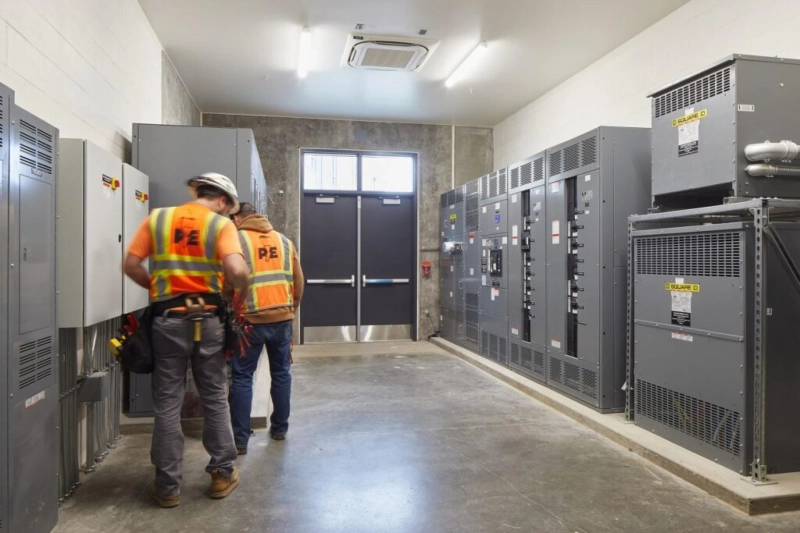
Industrial facilities rely on heavy machinery, automation systems, and advanced electronics to keep operations running smoothly. These assets require stable and clean power to function correctly. Any unexpected increase in voltage can cause equipment malfunction, breakdowns, or complete failure. Understanding how to Protect Industrial Equipment from Voltage Surges is essential for avoiding costly downtime, safety risks, and long-term damage to critical systems.
Voltage surges can occur for many reasons, including lightning strikes, grid switching, internal equipment faults, or sudden changes in power demand. Since industrial equipment draws large amounts of energy, even small fluctuations can create major operational disruptions.
Below is a straightforward, step-by-step overview to help facility managers strengthen surge protection and build a safer electrical environment.
Step 1: Identify Vulnerable Equipment
Start by listing all equipment that relies on sensitive electronics. Items such as control panels, PLCs, sensors, motors, compressors, and automated systems should be evaluated first. These components are often the most vulnerable to voltage fluctuations. Understanding where vulnerabilities exist helps in creating a targeted surge protection plan that prioritizes the highest risks.
Step 2: Inspect the Facility’s Electrical System
Older electrical panels, outdated wiring, and overloaded circuits can increase the chance of surge-related failures. Conducting a professional inspection allows facility teams to identify loose connections, deteriorated cables, or imbalances in power loads. Keeping the electrical system well-maintained reduces the likelihood of internal surges. How to Protect Industrial Equipment from Voltage Surges.
Step 3: Install Surge Protection Devices at Key Points
Surge protection devices, also known as SPDs, are the most important line of defense. They divert unstable voltage away from equipment and ensure that only safe levels of electricity reach connected systems. Install SPDs at the main service entry, distribution panels, and at individual machines with sensitive electronics. Layered protection is essential in industrial environments because surges can originate both inside and outside the facility.
Step 4: Use Voltage Regulators and Power Conditioners
Voltage regulators help maintain consistent voltage levels, preventing under-voltage or over-voltage conditions. Power conditioners clean the power supply by filtering noise, harmonics, and irregularities. Together, these devices help protect delicate electronics and extend the lifespan of industrial equipment.
Step 5: Integrate Uninterruptible Power Supply Systems
A UPS system provides backup power during outages and stabilizes voltage during minor fluctuations. It ensures that sensitive equipment such as data systems, automation controls, and communication networks remains operational during interruptions. UPS solutions also allow machinery to shut down safely when power issues occur.
Step 6: Establish Routine Monitoring and Maintenance
Power quality can change over time due to equipment aging, new machinery installation, or seasonal grid variations. Regular monitoring helps facility managers identify voltage anomalies early. Scheduled maintenance ensures that SPDs, regulators, and other protection devices continue to perform effectively.
Step 7: Train Staff on Electrical Safety and Surge Response
Employees should understand the basic risks associated with voltage surges and know the correct procedures for handling electrical disturbances. Proper training reduces the chances of equipment mishandling and improves response time during unexpected events.