



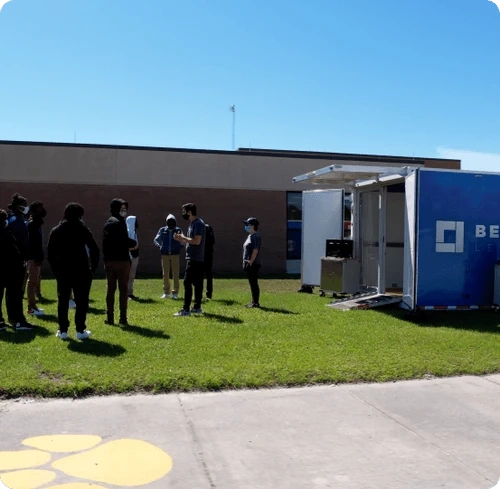
STEM education plays a critical role in preparing students for future careers in science, technology, engineering, and math. Despite its importance, many schools face challenges due to limited resources, lack of technology, or insufficient teacher training. STEM grants for schools offer a practical solution by providing financial support for equipment, projects, and professional development. Betabox helps schools access these grants, enabling students to engage in meaningful, hands-on learning that develops problem-solving, critical thinking, and creativity.
Why STEM Grants for Schools Are Essential
STEM grants for schools are vital because they provide the funding necessary to enhance classroom experiences and support innovative learning programs. These grants allow schools to invest in robotics kits, laboratory equipment, and STEM tools, giving students the opportunity to explore concepts in a practical, hands-on way. They also help schools organize after-school STEM clubs, competitions, and workshops that encourage collaboration and experimentation. Additionally, these grants fund teacher professional development, equipping educators with modern teaching methods and increased confidence in STEM instruction. Betabox supports schools by connecting them to grants that align with their goals and helping craft compelling applications that improve their chances of receiving funding.
Benefits of STEM Grants
STEM grants offer multiple advantages for both students and educators. Students gain access to hands-on projects that enhance learning and encourage curiosity. Teachers benefit from professional growth opportunities that improve their instruction in STEM subjects. Grants also allow schools to implement innovative programs that stimulate creative thinking and collaboration among students. Importantly, these grants promote equity by ensuring that all students, including those from underserved communities, have access to STEM resources and opportunities. Collectively, STEM grants help prepare students with the essential skills they need to succeed in higher education and STEM-related careers.
How Schools Can Apply for STEM Grants
Applying for STEM grants requires strategic planning and well-prepared proposals. Most grants are open to public and private K-12 schools, educators leading STEM programs, and nonprofit organizations focused on education. Some grants prioritize schools in underfunded areas or programs that focus on equity and inclusion. Betabox assists schools throughout the application process by identifying relevant opportunities, explaining eligibility requirements and deadlines, and helping create strong proposals. Schools should highlight measurable outcomes, community impact, and long-term benefits when preparing applications. With proper guidance, schools can present projects that clearly demonstrate the value of their STEM programs and the impact on students.
Tips for Writing Successful Grant Applications
To increase the chances of securing funding, schools should define clear goals and objectives for each STEM project. Proposals should include measurable outcomes to show success, such as improvements in student engagement or the completion of specific projects. Highlighting hands-on learning and innovative approaches is critical. Collaboration with local organizations, universities, or STEM experts can strengthen proposals and demonstrate broader community support. Planning for sustainability is equally important, showing how the program will continue to benefit students even after the grant period ends. Schools can use guidance from STEM grants for schools to ensure their applications are competitive and impactful.
Examples of STEM Grant Projects
STEM grants have supported a variety of initiatives in schools. Robotics and coding programs allow students to develop computational and engineering skills. Science labs and maker spaces equipped with modern tools provide opportunities for hands-on experimentation. After-school STEM clubs and competitions engage students in collaborative problem-solving. Teacher workshops funded by grants improve instructional quality and introduce innovative teaching strategies. Equity-focused programs ensure that students from underserved or underrepresented communities also benefit from high-quality STEM learning experiences. These initiatives turn schools into hubs of creativity, experimentation, and innovation.
Final Thoughts
STEM grants for schools are more than financial resources—they are gateways to enhanced learning, innovation, and equity. By securing these grants, schools can create interactive, hands-on experiences that prepare students for STEM careers, equip teachers with modern instructional skills, and ensure every student has access to quality education. Betabox plays a crucial role in connecting schools with these opportunities, helping educators create programs that have lasting impact. Schools looking to inspire future innovators and cultivate a new generation of STEM leaders can benefit greatly from exploring STEM grants for schools and integrating them into their educational programs.
Frequently Asked Questions
What are STEM grants for schools?
STEM grants provide funding to support science, technology, engineering, and math programs in schools, enhancing student engagement and hands-on learning.
Who can apply for STEM grants?
Public and private K-12 schools, educators leading STEM initiatives, and nonprofit organizations are generally eligible. Some grants prioritize underfunded schools.
What types of projects are funded by STEM grants?
Projects include robotics programs, lab upgrades, after-school STEM clubs, teacher training, and equity-focused STEM initiatives.
How do schools find suitable STEM grants?
Schools can research government programs, online grant databases, and partner organizations like Betabox to locate appropriate funding opportunities.
Do STEM grants require matching funds?
Some grants require partial school funding, while others cover the full cost. Each grant specifies its requirements.
How can schools improve their chances of receiving STEM grants?
Schools should submit clear, detailed proposals with defined objectives, measurable outcomes, innovative learning approaches, and plans for sustainability.