



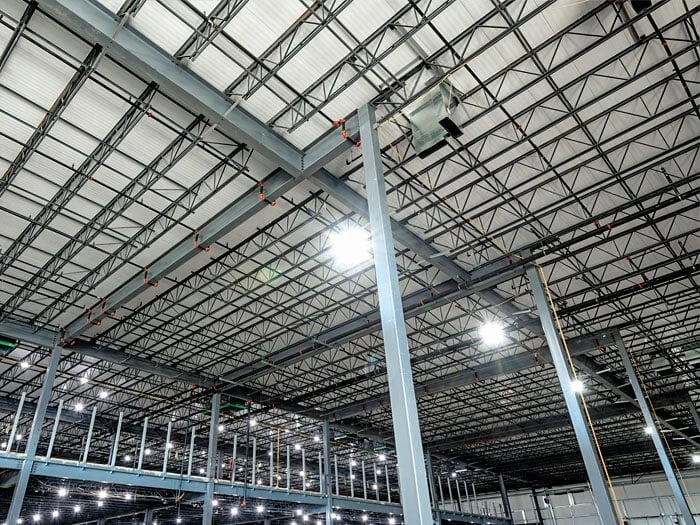
Steel construction has transformed the way we design and build modern structures. Known for its strength, adaptability, and long-term reliability, steel has become the backbone of countless projects across commercial, industrial, and agricultural sectors. In today’s fast-paced construction environment, builders and investors look for solutions that not only withstand the test of time but also offer sustainability and flexibility. Steel construction checks all these boxes, making it a cornerstone of future-ready development.
The Durability Factor
Durability is one of the most important reasons why steel construction continues to be in demand. Unlike traditional materials that may warp, crack, or deteriorate under extreme conditions, steel is engineered to resist such issues. It can endure harsh weather, seismic activity, and even fire when properly treated. This resilience ensures that steel structures require fewer repairs and can last decades with minimal maintenance. For industries seeking reliability in their buildings, steel offers unmatched peace of mind.
Efficiency in Modern Building
Another area where steel construction shines is efficiency. Prefabricated steel components can be manufactured with precision off-site and then quickly assembled on-site. This reduces construction timelines significantly compared to conventional building methods. Projects that would normally take months to complete can be finished in weeks without sacrificing quality. Faster construction also translates to reduced labor costs, less material waste, and earlier use of the facility—all critical advantages for businesses looking to maximize return on investment.
Flexibility in Design
Steel construction is not limited to rigid, box-like structures. Thanks to advancements in engineering and design, steel offers incredible flexibility. Architects can create open floor plans, wide spans without internal columns, and unique building shapes that meet both functional and aesthetic requirements. This adaptability allows steel to support everything from warehouses and factories to office complexes and recreational facilities. The freedom in design also ensures that steel structures can evolve with future modifications or expansions.
Sustainability and Environmental Impact
In an era where sustainability matters more than ever, steel construction provides eco-friendly advantages. Steel is one of the most recyclable materials in the world. Old steel can be melted down and reused without losing its strength, making it a circular resource. Additionally, the efficiency of prefabricated components reduces construction waste, and modern coatings enhance energy efficiency by improving insulation and reducing heating and cooling costs. For businesses aiming to meet green building standards, steel is a practical and responsible choice.
Cost-Effectiveness Over Time
While the initial investment in steel construction may sometimes be higher than traditional options, the long-term savings are substantial. Steel structures demand less maintenance, have longer lifespans, and resist many costly damages associated with other building materials. Over decades, this results in lower repair bills, fewer replacements, and overall reduced operational costs. The durability and efficiency of steel construction mean that the total cost of ownership remains far lower than most alternatives.
Applications Across Industries
Steel construction is versatile enough to serve various industries. In the commercial sector, it supports retail centers, office buildings, and multi-purpose complexes. Industrial projects benefit from its strength and large-span capabilities, making it ideal for warehouses, factories, and distribution centers. In agriculture, steel is widely used for barns, storage facilities, and equipment sheds that can withstand heavy usage and environmental challenges. Even residential applications are increasing, as steel framing offers homeowners greater durability and energy efficiency.
Innovations Driving the Future
Technology continues to enhance the possibilities of steel construction. Modern software enables precision design, while automation in steel manufacturing ensures higher quality and faster production. Additionally, new coatings and treatments are improving the resistance of steel against corrosion, fire, and extreme climates. As digital tools like Building Information Modeling (BIM) gain traction, they allow architects and engineers to plan steel structures with greater accuracy, minimizing errors and optimizing performance. These innovations solidify steel’s role as the building material of the future.
Steel Construction in Urban Development
As cities grow and space becomes limited, steel construction offers smart solutions for urban development. High-rise buildings, bridges, and large public facilities often depend on steel for their structural integrity and space-saving design. With urbanization demanding more efficient use of land, steel allows for vertical growth while maintaining safety and performance. Its adaptability makes it an essential part of infrastructure that supports modern living.
Conclusion
Steel construction represents more than just a method of building—it reflects progress, innovation, and long-term investment in infrastructure. With its unmatched durability, design flexibility, and environmental advantages, steel continues to shape the future of architecture and construction. Whether for commercial, industrial, or agricultural purposes, steel offers a solution that balances strength, efficiency, and sustainability. As we move toward smarter and greener construction practices, steel remains at the forefront, ensuring structures are not only built for today but also for generations to come.