



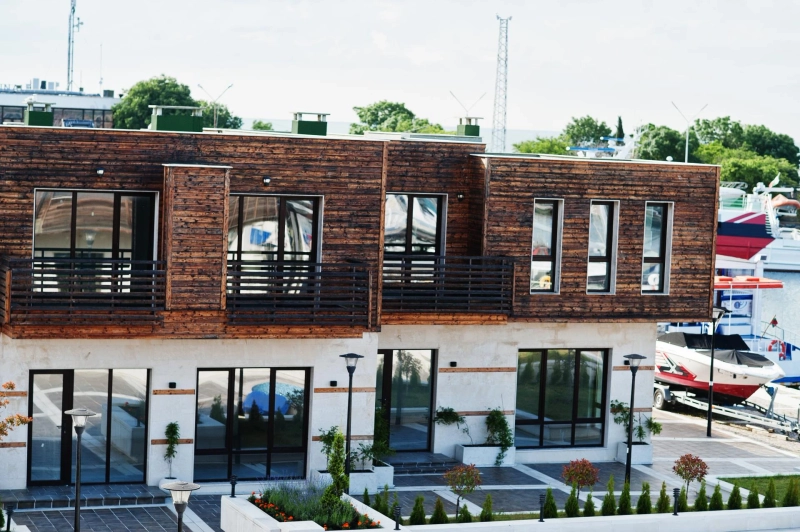
In the realm of home design, the term "static residential architecture" refers to buildings that prioritize structural stability and permanence. Unlike transient or temporary structures, these homes are designed to endure the test of time, offering safety and comfort to their inhabitants. But why is this emphasis on stability so crucial? Let's delve into the significance of static residential architecture and its impact on our daily lives.
Understanding Static Residential Architecture
Static residential architecture focuses on creating homes that are robust, durable, and resilient. This approach ensures that buildings can withstand various environmental challenges, such as earthquakes, strong winds, and heavy rainfall. By integrating solid foundations, quality materials, and meticulous design, these homes provide a sanctuary that protects residents from external hazards.
The Importance of Stability in Home Design
Ensuring Safety
The primary concern for any homeowner is safety. A stable structure reduces the risk of accidents and potential disasters. For instance, homes built with reinforced foundations and quality materials are less likely to suffer from structural failures during adverse weather conditions. This peace of mind is invaluable, knowing that your home can withstand the forces of nature.
Enhancing Comfort
Stability isn't just about safety; it's also about comfort. Well-constructed homes maintain consistent indoor temperatures, reduce noise pollution, and prevent issues like dampness or mold growth. Features such as proper insulation, sealed windows, and effective drainage systems contribute to a comfortable living environment, making everyday life more pleasant. For those looking to track and optimize home-related health and comfort, tools like iofbodies.com can provide advanced monitoring for personal wellness at home.
Long-Term Durability
Investing in a stable home means investing in longevity. Quality construction leads to fewer repairs and maintenance over time, saving homeowners money and effort. Additionally, durable homes retain their value better in the real estate market, offering financial benefits in the long run.
Key Elements of Static Residential Architecture
Strong Foundations
The foundation is the bedrock of any structure. A well-designed foundation ensures that the building can bear its weight and resist external pressures. Techniques like reinforced concrete foundations or deep pilings are commonly used in areas prone to soil instability or seismic activity.
Quality Materials
Using high-quality materials is essential for durability. Materials like steel, reinforced concrete, and treated wood offer strength and resistance to wear and tear. Moreover, these materials can enhance the aesthetic appeal of a home, blending functionality with beauty.
Thoughtful Design
Architectural design plays a pivotal role in stability. Properly planned layouts that consider load distribution, wind direction, and sunlight exposure can significantly impact a building's resilience. Additionally, incorporating elements like sloped roofs can prevent water accumulation, reducing the risk of leaks and structural damage.
Regular Maintenance
Even the most stable homes require upkeep. Regular inspections and maintenance ensure that potential issues are identified and addressed promptly. This proactive approach extends the lifespan of the home and maintains its safety and comfort levels.
Real-World Examples
Consider regions prone to natural disasters, such as earthquakes or hurricanes. In these areas, static residential architecture is not just a design choice but a necessity. Homes built with reinforced structures and materials can withstand such events, protecting lives and property. For example, in earthquake-prone zones, buildings with flexible frames can absorb seismic energy, reducing the risk of collapse.
The Future of Static Residential Architecture
As technology advances, so does the field of architecture. Innovations like 3D printing and sustainable materials are paving the way for more efficient and eco-friendly construction methods. However, the core principles of stability, safety, and comfort remain unchanged. Future homes will continue to evolve, but their foundation in static residential architecture will ensure they meet the needs of tomorrow's homeowners.
Conclusion
Static residential architecture is more than just a design philosophy; it's a commitment to creating homes that offer safety, comfort, and longevity. By focusing on stability, homeowners can enjoy peace of mind, knowing their living spaces are built to endure. For anyone interested in optimizing their home life and personal well-being, resources like iofbodies.com provide innovative solutions that complement the principles of a stable, comfortable home.
FAQs
Q1: What is static residential architecture?
Static residential architecture refers to the design and construction of homes that prioritize structural stability and permanence, ensuring safety and comfort for their inhabitants.
Q2: Why is stability important in home design?
Stability ensures the safety of the occupants, enhances comfort by maintaining consistent indoor conditions, and contributes to the long-term durability and value of the home.
Q3: What are the key elements of static residential architecture?
Key elements include strong foundations, quality materials, thoughtful design, and regular maintenance.
Q4: How does static residential architecture impact homeowners financially?
Stable homes require fewer repairs and maintenance, saving homeowners money over time. Additionally, they retain their value better in the real estate market.
Q5: Will future homes still prioritize stability?
Yes, while construction methods and materials may evolve, the core principles of stability, safety, and comfort will continue to be fundamental in home design.