



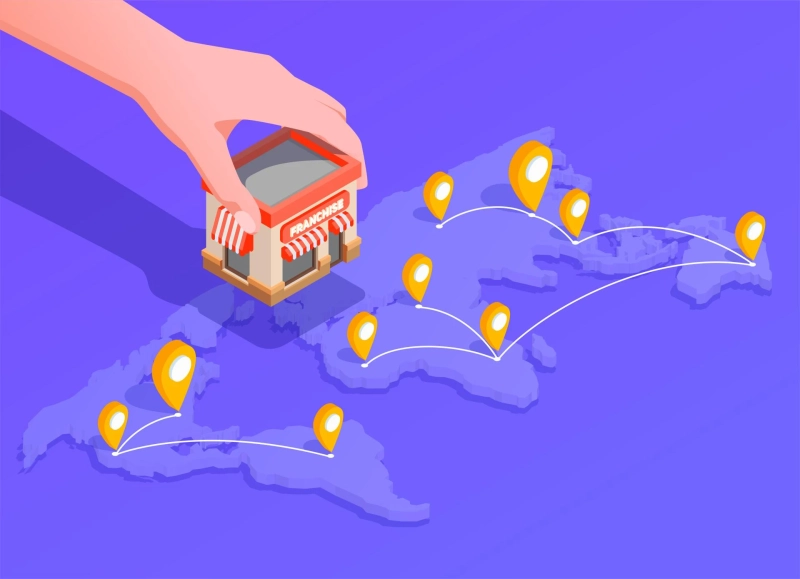
Expanding your physical retail business into another European country can be one of the most rewarding moves for long-term growth. Europe offers a diverse mix of cultures, thriving consumer markets, and reliable infrastructure — making it ideal for brands aiming to establish a stable retail footprint.
Before opening your first international store, understanding the process of company formation in Europe is essential. Each country has different business structures, legal obligations, and tax systems. Whether you want to open a branch office or set up a subsidiary company, knowing how to navigate these differences ensures a smooth and compliant launch.
The European Retail Landscape
Europe is home to some of the most dynamic retail markets in the world. From high-end boutiques in France to fashion-forward districts in Italy, fast-growing shopping centers in Poland, and diverse retail streets across the UK — the continent presents limitless opportunities.
However, success in one country doesn’t automatically translate to another. Every European market has unique legal and cultural frameworks. To expand effectively, you must adapt your business plan, product offering, and brand message to local consumer behavior.
Structuring Your Retail Expansion

When you’re ready to take your retail business abroad, you typically have three structural options:
- Company Formation: Registering a new business entity in the chosen country.
- Branch Office: Extending your existing company’s presence into another jurisdiction.
- Subsidiary Company: Creating a new, locally registered business under your parent company.
Choosing the right option depends on your business goals, the level of operational control you want, and the tax implications in the destination country.
Why Discuss Company Formation in Different European Countries
Each European country offers different benefits, incentives, and regulatory conditions for retailers. Understanding these variations helps you choose a location that aligns with your brand vision, operational capacity, and target market.
In the following sections, we’ll explore how to establish your physical retail presence through company formation in four leading European markets France, Italy, Poland, and the UK highlighting their advantages, structures, and entry routes for international entrepreneurs.
Company Formation in France
France is known for its fashion, art, and strong consumer culture — making it a dream destination for retail entrepreneurs.
Company Formation in France usually involves registration with the Centre de Formalités des Entreprises (CFE). Popular legal structures include SARL (limited liability company) and SAS (simplified joint-stock company), both suitable for foreign investors.
If you’re entering France with an existing business, you can open a branch office in France for a simpler setup. For a more independent presence, setting up a subsidiary company in France provides greater autonomy and local credibility.
Why France Works for Retail Businesses:
- Paris remains one of the world’s top shopping destinations.
- Strong consumer loyalty to luxury and quality brands.
- Strategic access to EU markets and logistics hubs.
Company Formation in Italy
Italy offers a blend of heritage, design, and vibrant retail culture. From Milan’s fashion avenues to Rome’s lifestyle centers, Italy rewards brands that blend quality with authenticity.
Company Formation in Italy requires registration with the Registro delle Imprese (Business Register). Most foreign entrepreneurs prefer the Società a responsabilità limitata (S.r.l.), similar to a limited liability company.
If you’re testing the market, you may choose to open a branch office in Italy, which allows your parent company to trade locally. For more long-term control and tax benefits, setting up a subsidiary company in Italy can help you establish a full-fledged local presence.
Why Italy Is Ideal for Retail Expansion:
- Global hub for fashion, design, and lifestyle retail.
- High customer appreciation for craftsmanship and brand story.
- Central location for serving Southern and Western European markets.
Company Formation in Poland
Poland is one of Europe’s most promising retail destinations, offering low operating costs, rapid economic growth, and a young, brand-conscious population.
To complete Company Formation in Poland, businesses must register with the National Court Register (KRS). The most common structure is the Spółka z ograniczoną odpowiedzialnością (Sp. z o.o.), Poland’s version of a limited liability company.
If you want to test operations first, you can open a branch office in Poland, which is simpler and less costly. For a stronger commitment, establishing a subsidiary company in Poland allows full market integration and local hiring flexibility.
Why Retailers Choose Poland:
- Rapidly growing middle class with strong purchasing power.
- Affordable labor and rental costs.
- Gateway to Central and Eastern European consumer markets.
Company Formation in the United Kingdom
The UK continues to be one of Europe’s easiest places to start and operate a retail business, even post-Brexit. The market remains dynamic, diverse, and innovation-driven — ideal for both high-street retail and niche boutique brands.
Company Formation in the UK is fast and simple through Companies House. Most foreign businesses register as a Private Limited Company (Ltd) due to its flexibility and credibility.
If your strategy involves market testing or a representative presence, you can open a branch office in the UK. For larger operations or long-term growth, setting up a subsidiary company in the UK ensures full operational independence.
Why the UK Stands Out:
- Transparent and efficient legal framework.
- Strong digital and physical retail ecosystem.
- Access to a multicultural consumer base with global reach.
Strategic Tips for Expanding a Retail Business in Europe
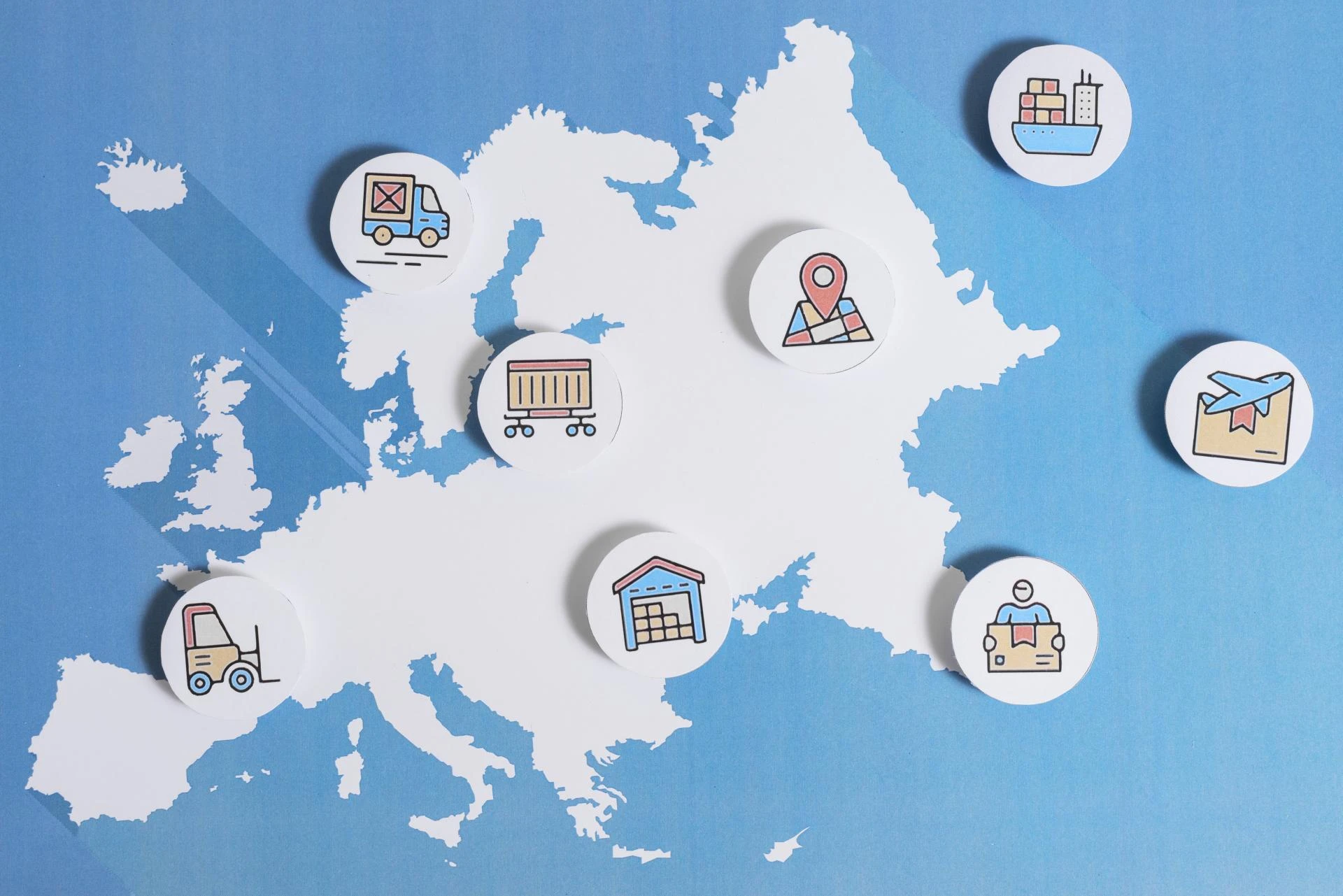
No matter where you expand, successful retail setup in Europe requires careful planning and local insight. Here are some key considerations
Market Research:
Understand consumer preferences, competition, and spending habits in your target market.
Legal Compliance:
Familiarize yourself with local company registration, employment, and tax laws.
Banking and Finance:
Open a local bank account to manage transactions, VAT, and payroll efficiently.
Localization:
Adapt your store design, product range, and marketing campaigns to fit local culture and trends.
Hiring Locally:
Employing local staff not only simplifies compliance but also helps your brand connect with customers authentically.
Partnering with Experts for European Business Setup
Setting up a retail business in multiple European countries can be complex, especially with different rules, tax structures, and filing systems. Working with professionals who specialize in company formation in Europe ensures smooth registration, accurate documentation, and strategic expansion.
Whether you want to open a branch office or set up a subsidiary company, expert guidance can help with everything from business registration and tax compliance to accounting and payroll — allowing you to focus on growing your brand.
Expanding into Europe isn’t just about new markets; it’s about building a sustainable, global retail identity that aligns with your brand vision.