



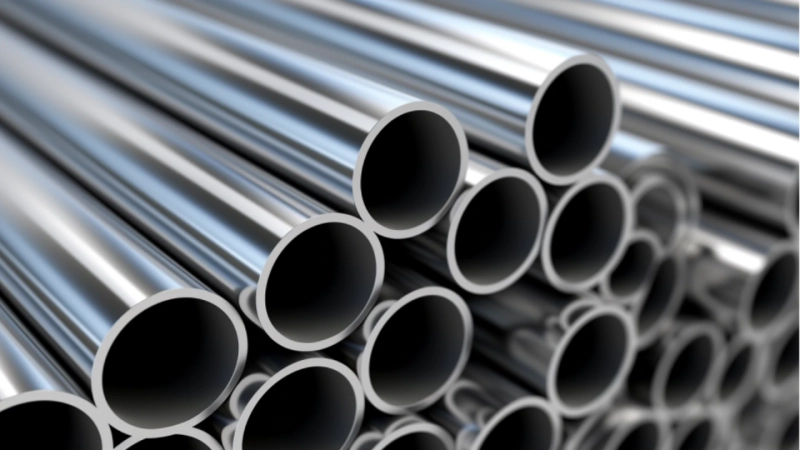
The term "stainless" is a familiar one, seen on everything from our kitchen sinks to the cutlery we use every day. We instinctively associate it with durability, cleanliness, and a resistance to rust. But its widespread use in modern life, from the gleaming facades of skyscrapers in Bangkok to the food preparation stalls at a local market, is a testament to more than just its aesthetic appeal. It is a material whose unique properties have made it an indispensable part of our built environment.
This remarkable material is stainless steel. It is an alloy of iron with a minimum of 10.5% chromium that gives it its defining characteristics. In a country like Thailand, with its high humidity, tropical heat, and extensive coastline, the choice of materials is critical. Here, the unique blend of strength, corrosion resistance, and versatility of stainless steel is not just a benefit—it's a necessity.
The Secret Behind Its Durability: A Protective Layer
The most common question people have about stainless steel is how it resists rust, especially since its primary component is iron, which is known for corroding. The secret lies not in the material itself, but in a thin, invisible layer that forms on its surface.
The Role of Chromium
The key to stainless steel's performance is its chromium content. When chromium is exposed to oxygen—either in the air or in water—it undergoes a natural reaction to form a microscopic layer of chromium oxide. This layer, known as a passive film, is what acts as an impenetrable shield, protecting the underlying iron from reacting with oxygen to form rust. This is a fundamental concept that distinguishes stainless steel from ordinary steel.
Self-Healing Properties
What makes this passive film truly remarkable is its ability to heal itself. If the surface is scratched or damaged, exposing the raw metal underneath, the chromium in the alloy will immediately react with the surrounding oxygen to re-form the protective layer. This self-healing property ensures that the material's corrosion resistance is not compromised by minor abrasions or wear and tear, making it a highly durable and long-lasting choice for a variety of applications.
Common Grades and Their Applications in Thailand
Not all stainless steel is created equal. There are dozens of grades, each with a different chemical composition that gives it specific properties and makes it suitable for different uses. In Thailand, two grades are particularly common and important to understand.
Grade 304: The All-Purpose Workhorse
Grade 304 is the most widely used and versatile type of stainless steel. It is often referred to as "18/8" because it is composed of approximately 18% chromium and 8% nickel. This combination provides excellent corrosion resistance for general applications and a bright, attractive finish. In Thailand, you'll find Grade 304 used extensively in:
- Kitchenware and Food Service: From commercial kitchen counters and sinks to food processing equipment and serving trays at local food stalls, its easy-to-clean and hygienic surface makes it ideal for handling food.
- Architectural Elements: It is a popular choice for railings, staircases, and decorative trim in non-coastal buildings and interiors where a clean, modern look is desired.
- Appliances: Many household appliances like refrigerators and washing machine drums use Grade 304 because of its durability and resistance to everyday wear.
Grade 316: The Marine Grade
For applications that require a higher level of corrosion resistance, Grade 316 is the material of choice. The key difference in its composition is the addition of molybdenum, which provides superior protection against chlorides, which are found in salt, seawater, and certain industrial chemicals. This makes Grade 316 indispensable in Thailand's unique coastal environment. It is the preferred material for:
- Marine and Coastal Applications: From boat fittings and yacht parts to architectural facades and structural components in coastal provinces like Phuket, Pattaya, and Hua Hin, Grade 316 is essential for preventing rust from salt spray.
- Chemical and Pharmaceutical Industries: Its enhanced resistance to chemicals and acids makes it crucial for use in industrial settings, where it is used for chemical tanks, piping, and processing equipment.
- Medical Instruments: The non-porous and highly corrosion-resistant nature of Grade 316 makes it a top choice for surgical instruments and medical equipment that must be sterilized frequently.
Applications in a Tropical Climate
Thailand's climate presents a unique set of challenges for any material. High humidity, intense heat, and a long coastline with exposure to salt spray can cause rapid degradation in less durable materials. Stainless steel's properties make it perfectly suited to thrive in this environment.
Resisting Humidity and Heat
In a country where relative humidity can be consistently high, the risk of moisture-induced corrosion is a constant concern. Stainless steel's protective passive layer prevents rust from forming, ensuring that equipment and structures can withstand the damp conditions without degrading. From outdoor furniture and water storage tanks to large-scale industrial machinery, its resilience against the combined effects of humidity and heat ensures a long and reliable service life.
Combating Salt Corrosion
For anyone living or working in one of Thailand's many coastal cities, the threat of salt corrosion is a serious consideration. Salt spray is highly corrosive and can cause a form of rust known as pitting corrosion, which can eat away at the surface of some metals. By choosing the correct grade of stainless steel, such as Grade 316, builders and engineers can ensure that their projects are protected from this threat. This is especially vital for public infrastructure like bridges, piers, and coastal railings that are constantly exposed to the elements.
Hygiene and Sanitation
In a warm climate, sanitation is of paramount importance. The smooth, non-porous surface of stainless steel makes it incredibly easy to clean and sanitize. This is why it is the standard material for food service, from high-end restaurant kitchens to local street food vendors. The material's hygienic properties are a fundamental reason for its prevalence in Thailand's thriving culinary and hospitality sectors.
Conclusion
Stainless steel is a modern material marvel whose unique combination of strength, corrosion resistance, and versatility has made it a quiet but essential part of our lives. In Thailand, where the environment puts materials to the test, its durability and resilience are invaluable. From the utensils we use to eat our meals to the very buildings that shape our skylines, stainless steel is a testament to the power of intelligent material design. By understanding its properties and selecting the right grade for the right application, we can harness its full potential to build a cleaner, safer, and more durable world.
FAQs
Does stainless steel ever rust?
While it is called "stainless," the material is not completely immune to rust. It is highly resistant to corrosion but can still rust under specific, harsh conditions, especially if the protective passive layer is compromised. This can happen from prolonged exposure to salt, certain industrial chemicals, or from improper cleaning that leaves corrosive residue on the surface.
How can I tell the difference between Grade 304 and 316?
Visually, it is nearly impossible to tell the difference between Grade 304 and 316 stainless steel, as they look identical. The most reliable way to differentiate them is through a chemical test or by checking the material certificate from the supplier. A common, albeit not foolproof, test is to use a magnet. Grade 304 is typically non-magnetic, while the nickel content in Grade 316 can make it very slightly magnetic, though not reliably so.
Is stainless steel recyclable?
Yes, stainless steel is 100% recyclable and is considered one of the most environmentally friendly materials. Its high durability means it has a very long service life, and when it is no longer needed, it can be melted down and reformed into new products without any loss of quality. The high scrap value of stainless steel ensures that it is almost always collected and recycled.
How do I clean and maintain stainless steel?
Cleaning stainless steel is simple. For everyday cleaning, a soft cloth with warm water and a mild soap is sufficient. For more stubborn marks, you can use a dedicated stainless steel cleaner. The most important thing is to avoid abrasive cleaning pads, which can scratch the surface and damage the protective passive layer. Always wipe in the direction of the grain to maintain its finish.