



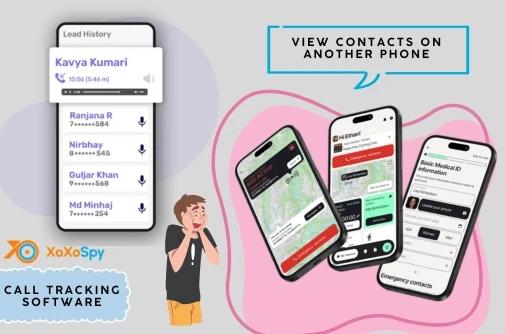
In an era where smartphones are central to communication, entertainment, and productivity, it's no surprise that surveillance technology has adapted to mobile devices. One of the most discussed tools in this space is the spy phone app. These applications allow users to monitor various aspects of a smartphone’s activity, often remotely and discreetly. While they can be powerful tools for safety and security, their usage also raises ethical and legal questions.
In this article, we’ll explore what a spy phone app is, how it functions, its legitimate and questionable uses, key features to look for, and the critical considerations before using one.
What Is a Spy Phone App?
A spy phone app is software installed on a mobile device to track and monitor the activities occurring on that phone. Once installed, the app can operate in the background, often in a hidden or stealth mode, without alerting the user. The data it collects can include a wide range of digital activity such as:
- Call logs (incoming/outgoing, duration, timestamps)
- Text messages and instant messages
- Location tracking via GPS
- Browsing history and internet activity
- Social media usage
- Emails and media files
- Real-time audio or camera access (in some cases)
Most spy apps are cloud-based, meaning the collected data is sent to a secure web portal where the person monitoring the device can log in and view reports.
Common Uses of Spy Phone Apps
1. Parental Monitoring
One of the most widely accepted uses of a spy phone app is for parental control. Many parents are concerned about their children’s exposure to online dangers such as cyberbullying, inappropriate content, or contact with strangers. A spy app allows parents to stay informed about their child’s online behavior, limit screen time, and ensure they are in safe locations.
Certain apps include geofencing capabilities that notify parents when their child arrives at or departs from specific locations such as home, school, or a friend’s residence.
2. Employee Surveillance
Companies that provide employees with company-owned smartphones may use spy apps to monitor device usage, particularly to prevent data leaks, time theft, or inappropriate behavior. For example, a delivery company might track drivers’ locations or ensure that company phones are not used for personal social media during work hours.
It’s important to note that in such cases, the employer must typically inform employees that the device is being monitored.
3. Tracking Lost or Stolen Devices
Spy phone apps can also help locate a lost or stolen phone. The GPS tracking feature, combined with remote access to files or the ability to wipe the device, offers a layer of security for personal or business data.
4. Relationship Concerns
Some people use spy phone apps to monitor partners or spouses whom they suspect of infidelity. While this use is common, it’s also one of the most legally and ethically problematic, especially if done without consent.
Key Features to Look for in a Spy Phone App
When selecting a spy phone app, it's important to consider the features you need most. Here are some essential tools many users look for:
- Call and SMS tracking: Keeps records of all calls and messages.
- GPS tracking: Shows real-time location and movement history.
- Geofencing: Alerts when the phone enters or exits designated zones.
- Social media monitoring: Tracks activities on platforms like WhatsApp, Snapchat, Instagram, and Facebook.
- App usage reports: Details which apps are used, and for how long.
- Stealth mode: Runs invisibly on the device without the user's knowledge.
- Remote control: Some apps allow the phone to be locked, wiped, or controlled remotely in emergencies.
Legal and Ethical Considerations
Before using a spy phone app, it's crucial to understand the legal boundaries and ethical implications.
1. Consent Requirements
In many countries, monitoring someone’s phone without their consent is illegal, especially if you do not own the device. Laws vary widely by region, but unauthorized surveillance can lead to fines, criminal charges, and civil lawsuits.
For example:
- In the United States, federal and state laws generally prohibit intercepting electronic communications without consent, unless the device belongs to a minor child or is owned by the monitoring party (e.g., employer-owned phone).
- In the UK, the Regulation of Investigatory Powers Act (RIPA) governs surveillance activities and generally prohibits secret monitoring without legal grounds.
2. Privacy Concerns
Even when legal, using a spy phone app can have long-lasting consequences on trust in relationships. Children, partners, and employees may feel their privacy is being invaded, which could damage personal or professional dynamics.
A more transparent approach—like using parental control apps with the child’s awareness—is often more effective and respectful.
Recommended Spy Phone Apps in 2025
There are many spy phone apps on the market, but here are a few that are commonly recognized for their functionality and reliability:
1. XOXOSpy
Popular among parents, XOXOSpy offers robust tracking features, including text, call, and location monitoring. It supports both Android and iOS devices and works in stealth mode.
2. FlexiSPY
A powerful tool with advanced capabilities, such as live call interception and remote camera access. FlexiSPY is more suitable for users needing extensive monitoring options, but it comes at a higher cost.
3. Hoverwatch
Known for its user-friendly interface, Hoverwatch allows tracking of SMS, calls, social media, and even front camera selfies when the phone is unlocked.
4. Spyic
Spyic provides essential monitoring tools like call logs, browser history, and location tracking. It is often recommended for beginners due to its simple setup and clean dashboard.
Is It Worth Using a Spy Phone App?
Spy phone apps can be extremely effective in promoting safety and accountability—but only when used responsibly. They are not tools for controlling others or violating privacy, but rather for ensuring security, especially in scenarios involving children or sensitive company data.
Before using one, consider:
- Is the device yours, or do you have permission to monitor it?
- Are there alternative, more transparent tools available (such as parental control apps)?
- Have you weighed the risks to trust and relationships?
Final Thoughts
The rise of the spy phone app reflects both the benefits and dangers of living in a digitally connected world. When used ethically and legally, these tools can offer peace of mind, improve safety, and support responsible digital behavior. However, misusing them can lead to serious consequences.
If you're considering using a spy phone app, take the time to research your options, understand your legal obligations, and think carefully about the long-term impact on the people involved. The best approach often combines smart technology with open, honest communication.