



Every strong and safe building starts with a solid foundation. The foundation carries the full weight of the structure and transfers it safely into the ground. One of the most widely used foundation types in construction is the spread footing. Builders and engineers trust spread footings because they are simple, strong, and cost-effective. They work well for many residential and commercial buildings, especially where soil conditions are good.
This blog explains spread footing in easy and simple English. You will learn what a spread footing is, how it works, where builders use it, and why it plays such an important role in construction.
What Is a Spread Footing?
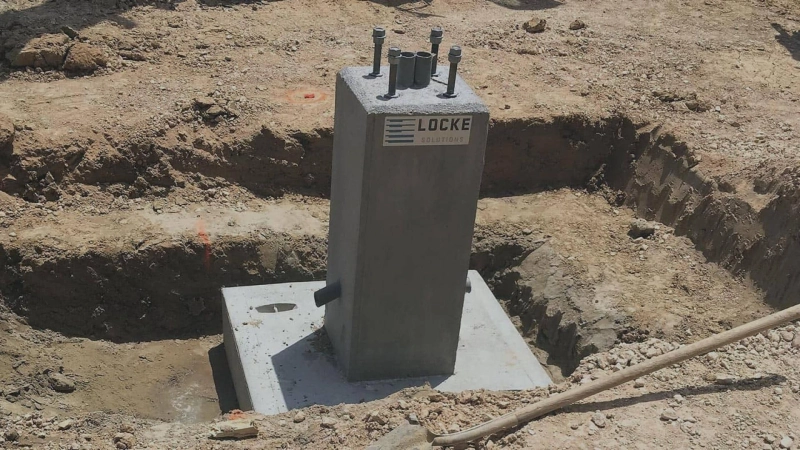
A spread footing is a shallow foundation that builders place directly under a column, wall, or pier. Its main purpose is to spread the load of the building over a larger area of soil. By spreading the weight, the footing reduces pressure on the ground and helps prevent uneven settlement.
Spread footings are wider at the base than the structural element they support. Builders usually make them from reinforced concrete because concrete offers high strength, durability, and long service life. Steel reinforcement inside the concrete improves resistance to cracking and bending.
How Spread Footings Work
Spread footings work by distributing loads evenly into the soil. When a building applies weight, that force moves downward through walls and columns. The spread footing increases the contact area between the structure and the soil. This larger area lowers stress on the ground and helps keep the building stable.
Engineers design spread footings based on:
- The weight of the structure
- Soil bearing capacity
- Safety factors
- Local building codes
A well-designed spread footing ensures that the soil can safely support the structure without excessive movement.
Types of Spread Footings
Builders use different types of spread footings depending on the building layout and load conditions.
Isolated Spread Footing
This type supports a single column. Builders commonly use isolated spread footings in houses, small offices, and low-rise buildings.
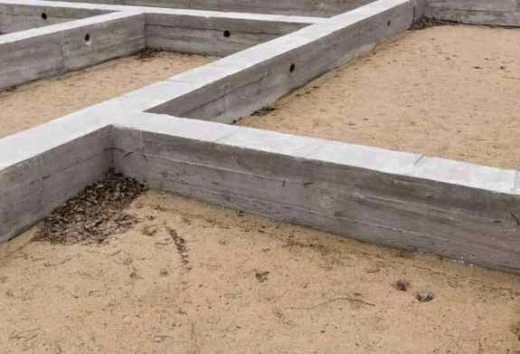
Continuous Spread Footing
This footing runs continuously under load-bearing walls. It supports walls evenly along their entire length and works well for residential buildings.
Combined Spread Footing
This footing supports two or more columns. Builders use combined footings when columns sit close together or when space limitations prevent separate footings.
Strap Footing
A strap footing connects two isolated footings with a beam. Builders use this type when a column sits near a property line and needs balanced support.
Each type helps distribute loads safely and efficiently.
Materials Used in Spread Footings
Concrete remains the most common material for spread footings. Builders often add steel reinforcement bars, known as rebar, to improve strength and durability.
Concrete offers several benefits:
- High compressive strength
- Long-term durability
- Resistance to moisture and weather
- Low maintenance requirements
Engineers carefully select concrete mix designs to match soil conditions and load demands.
Advantages of Spread Footings
Spread footings offer many advantages that make them a popular foundation choice.
- Cost-effective
- Spread footings require less material and excavation than deep foundations.
- Simple construction process
- Builders can install them quickly using standard equipment.
- Reliable performance
- Properly designed spread footings provide stable support for many years.
- Suitable for many projects
- They work well for homes, schools, offices, and small commercial buildings.
Because of these benefits, spread footings remain a trusted foundation solution.
Limitations of Spread Footings
Despite their advantages, spread footings do have some limitations.
- They do not perform well in weak or loose soils
- They may struggle in areas with high groundwater levels
- They cannot support extremely heavy structures
In these situations, engineers often recommend deep foundations such as piles or caissons.
Construction Process of Spread Footings
The construction process of spread footings follows clear and organized steps.
- Soil investigation
- Engineers test the soil to confirm it can support the structure safely.
- Excavation
- Workers dig the ground to the required depth and width.
- Formwork installation
- Builders install wooden or metal forms to shape the footing.
- Reinforcement placement
- Workers place steel bars according to design drawings.
- Concrete pouring
- Builders pour concrete into the formwork and ensure proper compaction.
- Curing
- The concrete cures over time and gains strength.
Each step plays a key role in ensuring long-term performance.
Importance of Soil Conditions
Soil conditions strongly affect the performance of spread footings. Engineers analyze soil type, density, moisture content, and bearing capacity before selecting this foundation type. Clay, sand, and gravel soils can support spread footings when properly compacted.
Poor soil analysis can lead to settlement, cracks, and structural damage. Proper testing and design help avoid these problems.
Spread Footing vs Other Foundation Types
Compared to deep foundations, spread footings cost less and take less time to build. They also require simpler equipment. However, deep foundations perform better in weak soils or for heavy loads.
Engineers always choose the foundation type based on site conditions, load requirements, and safety standards.
Maintenance and Long-Term Performance
Spread footings usually require little maintenance. Concrete resists decay, insects, and weather damage. When built correctly, spread footings can last for decades without problems.
Regular inspections help identify early signs of settlement or cracking. Early repairs protect the building and extend its life.
Common Applications of Spread Footings
Builders commonly use spread footings in:
- Residential houses
- Apartment buildings
- Schools and hospitals
- Small commercial buildings
- Warehouses and storage facilities
Their simple design and proven reliability make them suitable for many projects.
Conclusion
A spread footing provides a strong, simple, and affordable foundation solution for many buildings. It spreads structural loads over a wider area and protects the soil from excessive pressure. With proper design, good soil conditions, and quality construction, spread footings deliver long-lasting and dependable performance.
Understanding spread footings helps homeowners, contractors, and engineers make informed construction decisions. When builders follow best practices, spread footings continue to support safe and stable structures for generations.