


Spray painting is one of the most misunderstood processes in automotive repair and restoration. Many people think it’s simply applying color and clear coat, but that assumption leads to disappointment, peeling paint, and wasted money. Proper spray painting is the final stage of a long preparation process. When done correctly, it protects the vehicle, enhances body lines, and lasts for years. When rushed, it hides flaws temporarily and fails quickly. Spray painting is not about shine alone—it’s about surface integrity, correct materials, and disciplined application.
Preparation Is Everything in Spray Painting
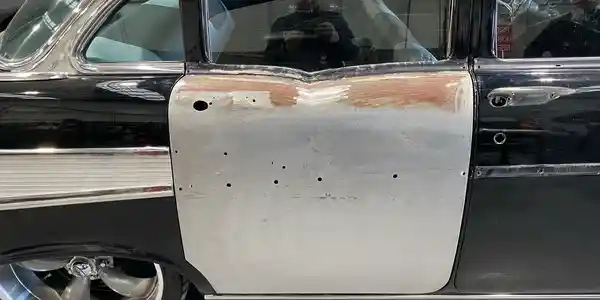
No spray paint job is better than the surface beneath it. Proper spray painting starts long before a spray gun is picked up. Panels must be straight, clean, and free of rust, contaminants, and old failing coatings. Any dents, ripples, or poor repairs will show through the paint once sunlight hits the surface. Sanding stages, surface cleaning, and correct primers are critical. Skipping preparation saves time upfront but guarantees failure later. Paint shrinkage, sagging, and cracking are all symptoms of poor groundwork. Spray painting does not fix problems—it exposes them.
The Role of Primers and Sealers
Primers are not optional, and they are not all the same. Spray painting requires the correct primer for the job, whether that’s epoxy for bare metal, high-build primer for panel refinement, or sealers to create a uniform base. Each layer serves a purpose. Using the wrong primer or rushing curing times compromises adhesion and durability. Quality spray painting follows manufacturer specifications, not guesswork. When primers are applied correctly, they protect the metal, improve paint bonding, and ensure consistent color across panels. Ignore this step, and even premium paint systems won’t save the job.
Spray Painting Technique and Application Control
Actual spray painting requires skill, not just equipment. Gun setup, air pressure, fan pattern, and distance from the panel all affect the outcome. Poor technique leads to runs, dry spray, orange peel, and uneven coverage. A skilled painter applies paint evenly, maintaining consistent overlap and flow. Temperature, humidity, and airflow also matter. Spray painting in uncontrolled environments introduces dust contamination and finish defects. This is why professional booths exist. Paint applied under poor conditions might look acceptable initially, but flaws become obvious over time.
Color Matching and Consistency
Color matching is more complex than choosing a paint code. Spray painting often requires blending adjacent panels to achieve a seamless finish, especially on older vehicles with faded paint. Metallic and pearls are particularly unforgiving. Poor blending results in obvious color differences that ruin the overall appearance. Quality spray painting accounts for how light hits panels at different angles. This takes experience, test spraying, and adjustment—not guesswork. A perfect color on one panel is useless if it doesn’t match the rest of the vehicle.
Clear Coat and Long-Term Protection
Clear coat is not just for shine. It protects the color layer from UV exposure, chemicals, and environmental damage. Spray painting requires correct clear coat thickness and curing times to avoid peeling, fading, and cracking. Too thin, and the paint degrades quickly. Too thick, and it risks solvent trapping and long-term failure. Proper spray-painting balances protection and appearance. Polishing should enhance the finish, not compensate for poor application. A quality clear coat job holds gloss for years without constant correction.
Spray Painting vs Cheap Resprays
There is a massive difference between professional spray painting and cheap resprays. Budget jobs often skip disassembly, mask over trim, and rush drying times. These shortcuts are easy to spot: overspray on rubbers, rough edges, inconsistent texture, and early paint failure. Spray painting done properly involves removing or protecting components correctly and allowing materials to cure fully. Cheap paint jobs cost less upfront but devalue the vehicle and usually need redoing. Paying once for proper spray painting is cheaper than fixing a bad job later.
Spray Painting in Restoration and Repairs
In restoration work, spray painting must respect the vehicle’s original lines and character. Over-sanding edges, burying details in clear coat, or flattening body lines ruins authenticity. Quality spray painting enhances design rather than overpowering it. In accident repairs, spray painting must integrate seamlessly with existing paint. Poor blending and mismatched texture immediately expose repair work. In both cases, attention to detail matters more than speed.
Maintaining a Spray-Painted Finish
Even the best spray painting needs proper care. Washing techniques, storage conditions, and maintenance products affect longevity. Poor washing habits introduce swirl marks and dull the finish. High-quality spray painting holds up well when properly cared for, requiring minimal touch-ups. Maintenance isn’t about babying the car—it’s about not undoing good work through neglect or misuse.
Conclusion
Spray painting is not about color alone, and it’s never just the final step—it’s the result of everything done before it. When preparation is disciplined, materials are correct, and application is controlled, spray painting delivers durability, protection, and a finish that lasts. When shortcuts are taken, no amount of polishing will hide the flaws forever. Spray painting done right enhances value, protects the vehicle, and reflects the quality of the work underneath. Anything less is a temporary shine hiding permanent problems.