



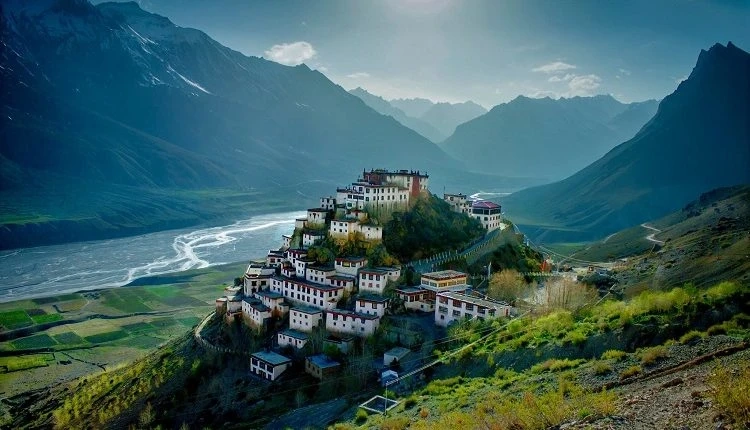
A Spiti Valley tour is one of the most enriching travel experiences for anyone seeking serenity, adventure, and cultural depth. Tucked away in the rugged mountains of Himachal Pradesh, the valley lies between India and Tibet and is often referred to as “Little Tibet” due to its similar landscape, culture, and traditions. Known for its dramatic terrain, ancient monasteries, crystal-clear rivers, traditional villages, and cold desert environment, Spiti Valley offers a rare blend of natural beauty and spiritual tranquility.
Overview of Spiti Valley
Located at an altitude ranging from 10,000 to 15,000 ft, Spiti Valley is a high-altitude cold desert famous for its barren mountains, deep gorges, turquoise rivers, and clear skies. The name Spiti means “The Middle Land,” symbolizing its position between India and Tibet. Despite its remote location, the valley is known for warm hospitality, timeless Buddhist heritage, and unmatched landscapes, making it one of the most unique travel destinations in India.
Best Time to Plan a Spiti Valley Tour
Your Spiti Valley experience depends greatly on the season you choose. Here is a detailed breakdown:
Summer Season (May to September)
- Best time for a full circuit tour (Shimla to Manali)
- Comfortable weather, open roads, accessible villages
- Ideal for sightseeing, adventure activities, and photography
Winter Season (October to March)
- Suitable only for experienced travelers
- Roads may close due to heavy snowfall
- Offers a unique chance to experience the Winter Wonderland of Spiti
- Ideal for spotting snow leopards during winter expeditions
Most tourists choose May to September for a safe, smooth, and accessible Spiti Valley tour.
How to Reach Spiti Valley
You can reach Spiti Valley via two major routes, each offering a very different experience.
1. Shimla – Kaza Route (Open almost all year)
This is the most reliable and commonly preferred route.
Highlights:
- Gradual altitude gain (less risk of AMS)
- Beautiful views of Kinnaur Valley
- Open throughout winter (unless extreme snowfall occurs)
Route:
Shimla → Narkanda → Rampur → Kalpa → Nako → Tabo → Kaza
2. Manali – Kaza Route (Open May to October)
This is the shorter but more challenging route.
Highlights:
- Rough terrain and dramatic landscapes
- High mountain passes (Rohtang Pass & Kunzum Pass)
Route:
Manali → Rohtang Pass → Gramphu → Batal → Kunzum Pass → Kaza
For first-time travelers, the Shimla route is recommended due to lower altitude stress and better road conditions.
Top Places to Visit During Your Spiti Valley Tour
A Spiti Valley tour is incomplete without exploring these iconic attractions, each showcasing the region’s cultural and natural beauty.
1. Key Monastery
One of Spiti’s most iconic landmarks, Key Monastery is a 1,000-year-old Tibetan Buddhist monastery situated at 13,668 ft. Known for its fortress-like architecture, meditation rooms, ancient murals, and stunning views of the Spiti River, it remains a must-visit spiritual destination.
2. Kibber Village
Located at 14,200 ft, Kibber is among the highest inhabited villages in the world. It serves as the starting point for wildlife spotting during winter, especially the snow leopard expedition. The village also offers homestays that provide a deeper insight into Spitian culture.
3. Langza – The Fossil Village
Langza is world-famous for fossils of marine creatures that date back millions of years. Surrounded by snow-covered mountains, this picturesque village also features the iconic Buddha statue overlooking the valley.
4. Hikkim – World’s Highest Post Office
At an altitude of 14,567 ft, Hikkim hosts the highest post office in the world. Sending a postcard from here is a unique experience most travelers do not want to miss.
5. Komic – One of the Highest Motorable Villages
Komic village, situated at 15,000 ft, is among the highest motorable villages on Earth. The village is home to the Tangyud Monastery, known for its ancient scriptures and spiritual ambiance.
6. Chicham Bridge
Chicham Bridge is the highest suspension bridge in Asia, offering breathtaking views of deep gorges and dramatic cliffs. It is a popular stop for photography and adventure lovers.
7. Pin Valley National Park
Known for wildlife like snow leopards, Himalayan foxes, ibex, and rare birds, Pin Valley is a paradise for nature and wildlife enthusiasts. The lush greenery in summer contrasts beautifully with Spiti’s otherwise barren landscapes.
8. Dhankar Monastery and Dhankar Lake
Dhankar Monastery, perched on a cliff, offers extraordinary panoramic views of the valley. A trek to Dhankar Lake rewards you with serenity and pristine Himalayan beauty.
9. Tabo Monastery
Often called the “Ajanta of the Himalayas,” Tabo Monastery is over 1,000 years old and famous for its artwork, murals, and ancient caves used for meditation. It is one of the oldest continuously operating Buddhist monasteries in India.
10. Chandratal Lake
A crescent-shaped glacial lake located near Kunzum Pass, Chandratal is known for its crystal-clear water and scenic beauty. Camping is one of the most memorable experiences here (allowed only in summer).
Things to Do on Your Spiti Valley Tour
1. Explore Monasteries
Visit ancient monasteries for meditation, cultural insight, and architecture.
2. Try Local Spitian Cuisine
Popular dishes include:
- Thukpa
- Momos
- Butter tea
- Spiti-style dal and bread
- Tibetan noodles
3. Stargazing & Night Photography
Due to minimal pollution, Spiti offers some of the clearest night skies in India.
4. Trekking and Hiking
Several treks such as Dhankar Lake trek, Pin Parvati Pass trek, and Chandratal trek attract adventure lovers.
5. Stay in Traditional Homestays
Experience local culture, food, and lifestyle through Spitian homestays.
Accommodation Options in Spiti Valley
Spiti offers a variety of accommodations, including:
- Budget guesthouses
- Homestays
- Eco-friendly lodges
- Mid-range hotels
- Camps (near Chandratal in summer)
Homestays are highly recommended for their warmth, hospitality, and authentic cultural experience.
Food Options in Spiti Valley
While food choices are simple, they are wholesome and flavorful.
Common options include:
- Tibetan dishes (momos, thukpa, tingmo)
- Rice, dal, sabzi
- Breads like roti and local buckwheat bread
- Butter tea, herbal teas
Vegetarian food is commonly available, while non-veg options may be limited in smaller villages.
Travel Tips for Your Spiti Valley Tour
1. Acclimatization is Crucial
Spiti Valley is at a high altitude, so you should rest adequately and avoid strenuous activities on the first day.
2. Carry Cash
Many villages do not have ATMs, so withdraw cash in Shimla, Manali, or Reckong Peo.
3. Pack Warm Clothes
Even in summer, nights can be extremely cold. Always carry thermal wear, jackets, gloves, and warm caps.
4. Keep Medicines Handy
Carry medicines for altitude sickness, motion sickness, cold, headache, and stomach issues.
5. Respect Local Culture
Photography inside monasteries may be restricted. Always ask before taking pictures.
6. Drive Carefully
Roads are narrow and unpredictable. If possible, hire an experienced local driver.
Ideal Duration for a Spiti Valley Tour
A typical Spiti Valley tour requires 7 to 10 days depending on the route and stops.
For a complete circuit (Shimla → Kaza → Manali), 8–10 days is recommended.
For a one-way trip (Shimla to Kaza), 5–7 days is comfortable.
Why You Should Take a Spiti Valley Tour
- Unique Himalayan landscapes
- Rich culture and ancient monasteries
- Perfect for adventure seekers
- Ideal for digital detox
- Clear skies for photography
- Warm hospitality
- Rare wildlife sightings
- Cultural and spiritual enrichment
A Spiti Valley tour is not just a holiday—it is an experience that stays with you forever.
Conclusion
A Spiti Valley tour is a remarkable journey into the heart of the Himalayas. With dramatic landscapes, timeless monasteries, warm-hearted locals, and unforgettable adventures, Spiti offers a travel experience unlike any other. Whether you’re seeking solitude, natural beauty, culture, or thrilling adventure, Spiti Valley has something for every traveler.
Plan your trip carefully, choose the right season, and prepare well for high-altitude travel to enjoy every moment in this extraordinary Himalayan destination.