



Introduction
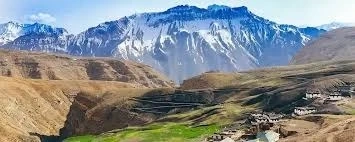
Hidden amidst the mighty Himalayas of Himachal Pradesh lies Spiti Valley, a cold desert mountain region often described as “The Middle Land” between India and Tibet. The Spiti Valley tour is one of the most fascinating and adventurous journeys in India, offering travelers a chance to experience high-altitude landscapes, ancient monasteries, pristine lakes, and the rich Tibetan-Buddhist culture. From winding mountain roads to snow-covered peaks, the region provides an unforgettable experience for nature lovers, bikers, trekkers, and spiritual seekers alike.
Whether you’re an adventure enthusiast or a peace seeker, this blog serves as your comprehensive guide to planning the perfect Spiti Valley tour, including the best time to visit, top attractions, how to reach, and essential travel tips.
1. About Spiti Valley
Located at an altitude of 10,000 to 15,000 feet above sea level, Spiti Valley is a remote region in the northeastern part of Himachal Pradesh. The name “Spiti” translates to “The Middle Land,” referring to its location between India and Tibet. The valley is surrounded by snow-capped mountains and traversed by the Spiti River, which adds charm to its rugged terrain.
Unlike popular hill stations, Spiti remains untouched by commercialization, offering travelers a chance to witness the raw beauty of the Himalayas. The region is known for its ancient monasteries like Key Monastery, Tabo Monastery, and Dhankar Monastery, which hold deep spiritual significance.
2. How to Reach Spiti Valley
Spiti Valley can be accessed by two main routes — via Manali and via Shimla. Both routes are scenic and adventurous, offering mesmerizing views and thrilling drives.
A. Via Manali Route
- Route: Manali – Rohtang Pass – Kunzum Pass – Kaza
- Distance: Around 200 km
- Travel Time: 8–10 hours
- Best Time: June to October
This route remains open only during the summer months, as Rohtang Pass and Kunzum Pass are closed during winter due to heavy snowfall. It’s a popular route among bikers and adventure lovers.
B. Via Shimla Route
- Route: Shimla – Reckong Peo – Nako – Tabo – Kaza
- Distance: Around 450 km
- Travel Time: 2–3 days
- Best Time: March to October
This route is accessible almost throughout the year and passes through picturesque valleys, apple orchards, and the stunning Sutlej River. It’s ideal for travelers who want a more comfortable and gradual ascent to high altitude.
3. Best Time to Visit Spiti Valley
The best time to visit Spiti Valley depends on the kind of experience you’re looking for.
Summer (May to October)
- The most preferred time for a Spiti Valley tour.
- Roads from both Manali and Shimla remain open.
- Weather is pleasant, and you can explore every major attraction.
Winter (November to April)
- Ideal for those who want to witness the true essence of winter Spiti Valley.
- The landscape transforms into a white paradise, offering breathtaking views.
- However, temperatures drop below freezing, and the Manali route is closed.
Travelers visiting in winter should be well-prepared for extreme cold and limited connectivity. Despite challenges, winter brings out the serene and untouched beauty of Spiti.
4. Top Tourist Attractions in Spiti Valley
1. Kaza – The Heart of Spiti
Kaza serves as the headquarters of Spiti Valley and is the main town where most travelers stay. Surrounded by snow-capped mountains, Kaza is a perfect blend of traditional charm and modern amenities. The Kaza Monastery and local markets are must-visits.
2. Key Monastery
One of the most iconic monasteries in Spiti, Key Monastery sits atop a hill overlooking the Spiti River. This 11th-century monastery is home to hundreds of monks and is an important center of learning for Tibetan Buddhism. The panoramic views from here are spectacular.
3. Kibber Village
Located at an altitude of 14,000 feet, Kibber is one of the highest inhabited villages in the world. The village is known for its stone houses, wildlife sightings (like the elusive snow leopard), and warm hospitality of locals.
4. Langza – The Fossil Village
Langza Village is famous for its ancient marine fossils and the grand Buddha statue overlooking the valley. The village offers sweeping views of the Chau Chau Kang Nilda peak and is a paradise for photographers.
5. Hikkim – The World’s Highest Post Office
Situated at 14,567 feet, Hikkim houses the world’s highest post office. Sending a postcard from here is a memorable experience for every traveler on the Spiti Valley tour.
6. Komic – One of the Highest Villages
Komic Village, located at 15,000 feet, is one of the highest villages in the world connected by motorable road. The Komic Monastery adds a spiritual vibe to the serene landscape.
7. Chandratal Lake
Known as the “Moon Lake,” Chandratal is a crescent-shaped high-altitude lake near Kunzum Pass. The crystal-clear blue water and the reflection of surrounding peaks make it a breathtaking spot for camping and photography.
8. Dhankar Monastery
Perched dramatically on a cliff between Kaza and Tabo, Dhankar Monastery is an architectural marvel. It offers panoramic views of the confluence of the Spiti and Pin rivers.
9. Tabo Monastery
Often called the “Ajanta of the Himalayas,” Tabo Monastery is one of the oldest functioning monasteries in the world, established in 996 AD. It is renowned for its ancient murals and sculptures.
10. Pin Valley National Park
Home to rare Himalayan wildlife, including snow leopards, ibex, and Himalayan blue sheep, Pin Valley National Park is a must-visit for nature enthusiasts.
5. Adventure Activities in Spiti Valley
For adventure seekers, the Spiti Valley tour offers a wide range of thrilling activities:
- Spiti Valley Bike Trip: Ride through rugged terrains, river crossings, and high passes for an unforgettable biking experience.
- Trekking: Popular treks include Pin Parvati Pass Trek and Kunzum Pass Trek, which showcase Spiti’s natural grandeur.
- Camping: Camp near Chandratal Lake or Key Monastery to experience the peace of the Himalayas.
- River Rafting: Enjoy white-water rafting in the Spiti River surrounded by dramatic mountain views.
- Wildlife Photography: Capture snow leopards, Himalayan ibex, and rare birds in their natural habitat.
6. Local Culture and Traditions
The people of Spiti are deeply rooted in Tibetan Buddhism, and their lifestyle reflects simplicity and spirituality. The monasteries play a central role in their daily lives. Festivals like Losar (New Year), Gustor, and Chham Dance Festival are celebrated with great enthusiasm.
Local food includes traditional dishes like Thukpa, Momos, Tsampa, and Butter Tea, which are perfect for the cold climate. Visitors are always welcomed with warmth and hospitality.
7. Accommodation Options in Spiti Valley
From homestays in remote villages to guesthouses and eco-resorts, accommodation in Spiti Valley caters to all kinds of travelers.
- Homestays: Offer authentic experiences with local families.
- Guesthouses: Provide comfort and affordability in towns like Kaza and Tabo.
- Campsites: Ideal for adventure lovers, especially near Chandratal and Kibber.
8. Essential Travel Tips for Spiti Valley Tour
- Acclimatize properly – Spiti lies at a high altitude, so take it slow to avoid altitude sickness.
- Carry cash – ATMs are limited, especially in remote villages.
- Pack wisely – Warm clothes, sunscreen, and medicines are essential.
- Respect local culture – Always seek permission before photographing locals or monasteries.
- Keep your vehicle ready – Ensure your car or bike is in excellent condition due to rough terrains.
- Travel insurance – Always advisable for such high-altitude destinations.
9. Why You Should Visit Spiti Valley
A Spiti Valley tour is not just a journey—it’s an experience that stays with you forever. The region offers a unique blend of spirituality, adventure, and tranquility. The dramatic landscapes, ancient monasteries, and welcoming locals make it a dream destination for photographers, bikers, and explorers.
Whether you’re watching the sunset from Langza, camping beside Chandratal Lake, or meditating in a centuries-old monastery, Spiti Valley promises peace and awe-inspiring beauty at every turn.
Conclusion
A trip to Spiti Valley is more than just a vacation; it’s a soul-stirring journey through one of the most remote and beautiful regions in the world. Every corner of Spiti tells a story — of faith, nature, and resilience. From the turquoise lakes to the timeless monasteries, the experience leaves travelers spellbound.
If you’re planning your next Himalayan adventure, the Spiti Valley tour should be at the top of your list. Whether in summer or winter, this hidden gem of Himachal Pradesh offers an experience that is both adventurous and deeply spiritual — a journey truly worth taking.