



Spiti Valley tour packages, tucked away in the cold desert mountains of Himachal Pradesh, is one of India’s most captivating destinations. Known as “Little Tibet,” this high-altitude region offers an unmatched blend of adventure, serenity, and spiritual charm. Whether you’re drawn to its ancient monasteries, moon-like landscapes, or winding mountain trails, Spiti promises an experience that feels both otherworldly and deeply human.
A Land Between Heaven and Earth
Perched at an average elevation of over 10,000 feet, Spiti is often described as “the middle land” — a geographical and cultural bridge between India and Tibet. Unlike the bustling tourist spots of Manali or Shimla, Spiti remains raw and untouched. The valley’s stark beauty lies in its silence: rugged cliffs, icy rivers, and villages that seem frozen in time.
The first thing travelers notice upon arriving is the sheer vastness of the landscape. Snow-dusted peaks rise like sentinels, and every turn in the road offers a new panorama — a reminder of nature’s artistry at its purest.
Getting to Spiti: The Journey Is Half the Adventure
Reaching Spiti Valley is not for the faint-hearted, but that’s what makes it special. There are two main routes:
- From Manali via Kunzum Pass – Open only during summer months (June to October), this route takes you through one of the most scenic high-altitude passes in India. You’ll pass through Gramphu, Batal, and the famous Chandra Tal Lake before reaching Kaza, the heart of Spiti.
- From Shimla via Kinnaur – This route is longer but accessible for most of the year. The drive meanders through lush forests, apple orchards, and the Sutlej River valley before gradually opening into the stark beauty of Spiti’s high desert.
No matter which route you choose, the drive itself feels like an expedition — winding roads, narrow passes, and landscapes that change dramatically with altitude.
Kaza: The Gateway to Spiti
Kaza serves as the administrative capital and the main town in the region. Despite its remote location, it buzzes with life during the summer months. Travelers gather in its cozy cafes and guesthouses, exchanging stories of dusty roads and mountain adventures.
The Kaza market is a treasure trove for those interested in local handicrafts, woolen shawls, and Buddhist souvenirs. It’s also the best place to refuel — both your vehicle and your spirit — before venturing deeper into the valley.
Ancient Monasteries: Soul of the Valley
Spiti’s spiritual essence is reflected in its ancient monasteries, many of which are perched dramatically on cliffs or hidden within valleys. Each monastery tells a story of faith, resilience, and timeless wisdom.
- Key Monastery (Kye Gompa): The most iconic monastery in Spiti, Key stands proudly on a hilltop overlooking the Spiti River. Its fortress-like structure and panoramic views make it a must-visit. Monks here welcome visitors warmly, often offering butter tea and a glimpse into their daily rituals.
- Dhankar Monastery: Once the seat of Spiti’s kings, Dhankar clings precariously to a cliff face. The view of the confluence of the Spiti and Pin rivers from here is breathtaking.
- Tabo Monastery: Often called the “Ajanta of the Himalayas,” Tabo is more than a thousand years old. Its murals and ancient scriptures make it one of the most important Buddhist sites in the region.
These monasteries aren’t just tourist attractions; they are living symbols of Spiti’s cultural heartbeat.
The People of Spiti: Warm Hearts in a Cold Desert
Despite the harsh climate, the people of Spiti radiate warmth and kindness. Life here revolves around agriculture, herding, and monastic traditions. Villagers are known for their self-sufficiency and deep connection to nature.
In summer, you’ll see locals tending to their barley fields or spinning wool outside their homes. During winter, when snow blankets the valley, the community gathers indoors, keeping traditions alive through storytelling, festivals, and rituals.
Travelers often speak of how Spiti’s people change their perspective on life — reminding them that happiness can be found in simplicity, and strength in togetherness.
Must-Visit Villages of Spiti
Every village in Spiti has its own character and charm. Exploring them gives you a deeper glimpse into the region’s way of life.
- Langza: Famous for its giant Buddha statue overlooking the village, Langza feels almost otherworldly. Fossils of marine creatures can be found here, hinting at the valley’s prehistoric past.
- Komic: One of the highest villages in the world accessible by motorable road, Komic offers panoramic views and unmatched peace.
- Hikkim: Known for having the world’s highest post office, Hikkim is a delightful stop where you can send a postcard from the roof of the world.
- Kibber: A wildlife enthusiast’s haven, Kibber is located near the Kibber Wildlife Sanctuary, home to the elusive snow leopard and Himalayan blue sheep.
Each of these villages offers unique homestays, where you can share meals with locals and experience Spitian hospitality firsthand.
The Enchanting Lakes
No trip to Spiti is complete without visiting its stunning high-altitude lakes.
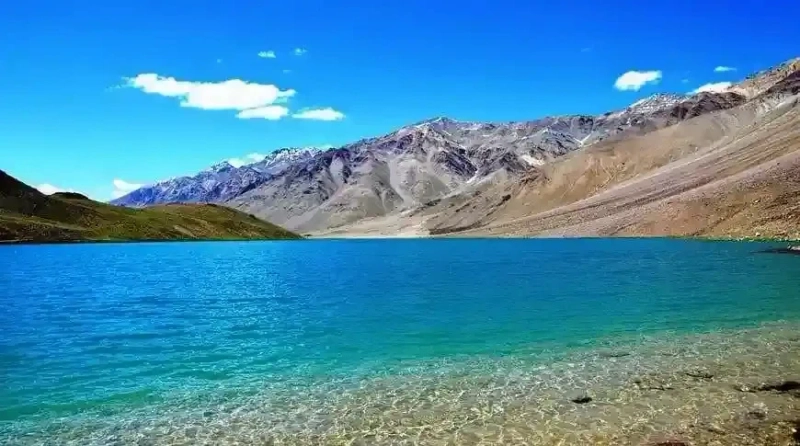
- Chandratal Lake (The Moon Lake): Perhaps the most famous, this crescent-shaped lake near Batal changes colors with the sunlight — from deep blue in the morning to emerald and golden hues at dusk. Camping near Chandratal under a sky filled with countless stars is an experience of a lifetime.
- Dhankar Lake: A short trek from Dhankar Monastery leads to this tranquil, lesser-known gem. The lake’s calm waters perfectly mirror the surrounding peaks.
These lakes remind you of nature’s fragility and power, inspiring a deep sense of respect for the mountains.
Adventure in the High Himalayas
For thrill-seekers, Spiti offers endless opportunities. Trekking trails wind through remote valleys and over high passes, revealing landscapes that shift from barren to beautiful in an instant.
Popular treks include:
- Pin Parvati Pass Trek – Connecting Spiti with Kullu Valley, this challenging trek crosses lush meadows, glaciers, and rivers.
- Spiti Village Trail – A moderate trek that takes you through ancient settlements, giving a glimpse of traditional life.
Mountain biking, river rafting on the Spiti River, and wildlife photography are other popular activities. Each adventure here comes with a reminder — you are a guest in one of Earth’s most pristine ecosystems.
The Best Time to Visit
Spiti’s weather can be extreme, so timing your visit is crucial.
- Summer (June to September): The most popular time to visit. Roads are open, the weather is pleasant, and the valleys bloom with greenery.
- Winter (October to March): Ideal for those seeking solitude and snow-covered landscapes. It’s also the season for spotting snow leopards, though travel can be challenging.
- Spring and Autumn: Less crowded and perfect for photography, with clear skies and crisp air.
Regardless of the season, the valley’s beauty remains timeless.
Sustainable Travel in Spiti
As tourism grows, it’s important to travel responsibly. Spiti’s fragile ecosystem and limited resources make sustainability essential. Travelers can make a difference by:
- Carrying reusable water bottles and avoiding plastic waste.
- Staying in local homestays to support the community.
- Respecting monastery customs and local traditions.
- Traveling in small groups and minimizing vehicle pollution.
The Spiti Ecosphere, a local organization, promotes eco-friendly initiatives and offers volunteering opportunities for those who wish to give back to the region.
A Photographer’s Dream
For photographers, the valley is pure magic. Every frame — from a monk’s crimson robe fluttering in the wind to the play of sunlight on barren cliffs — tells a story. Early mornings and late evenings bathe the landscape in soft golden light, perfect for capturing Spiti’s surreal beauty.
The night sky is equally mesmerizing. With minimal light pollution, you can see the Milky Way stretch across the heavens. Astrophotography enthusiasts often camp near Chandratal or Langza for an unforgettable stargazing experience.
Food in the Mountains
Spitian cuisine reflects the region’s climate — hearty, warm, and deeply satisfying. Try thukpa (noodle soup), momos, and tsampa, a roasted barley flour dish that locals eat daily. Butter tea, though an acquired taste, is a must-try experience.
Many homestays offer meals cooked from local produce, giving travelers a true taste of Himalayan hospitality. Don’t be surprised if you’re invited to join a family dinner — sharing food is part of the culture.
Why Spiti Stays with You
Visiting this remote corner of the Himalayas is more than a journey — it’s a transformation. Spiti Valley slows you down, challenges you, and teaches you humility. It shows how beauty thrives even in harsh conditions and how people can live harmoniously with nature.
When you leave, you carry more than photographs — you carry stories, friendships, and a sense of calm that stays long after the mountains fade from view.
Final Thoughts
Whether you call it the “Middle Land,” “Cold Desert,” or simply Spiti, this valley remains one of the most awe-inspiring places on Earth. Its timeless landscapes, kind-hearted people, and quiet spirituality create an experience that words can only begin to capture.
So, if you’ve been dreaming of an adventure that touches your soul, pack your bags and head to Spiti Valley. The mountains are waiting — silent, majestic, and full of stories yet to be told.